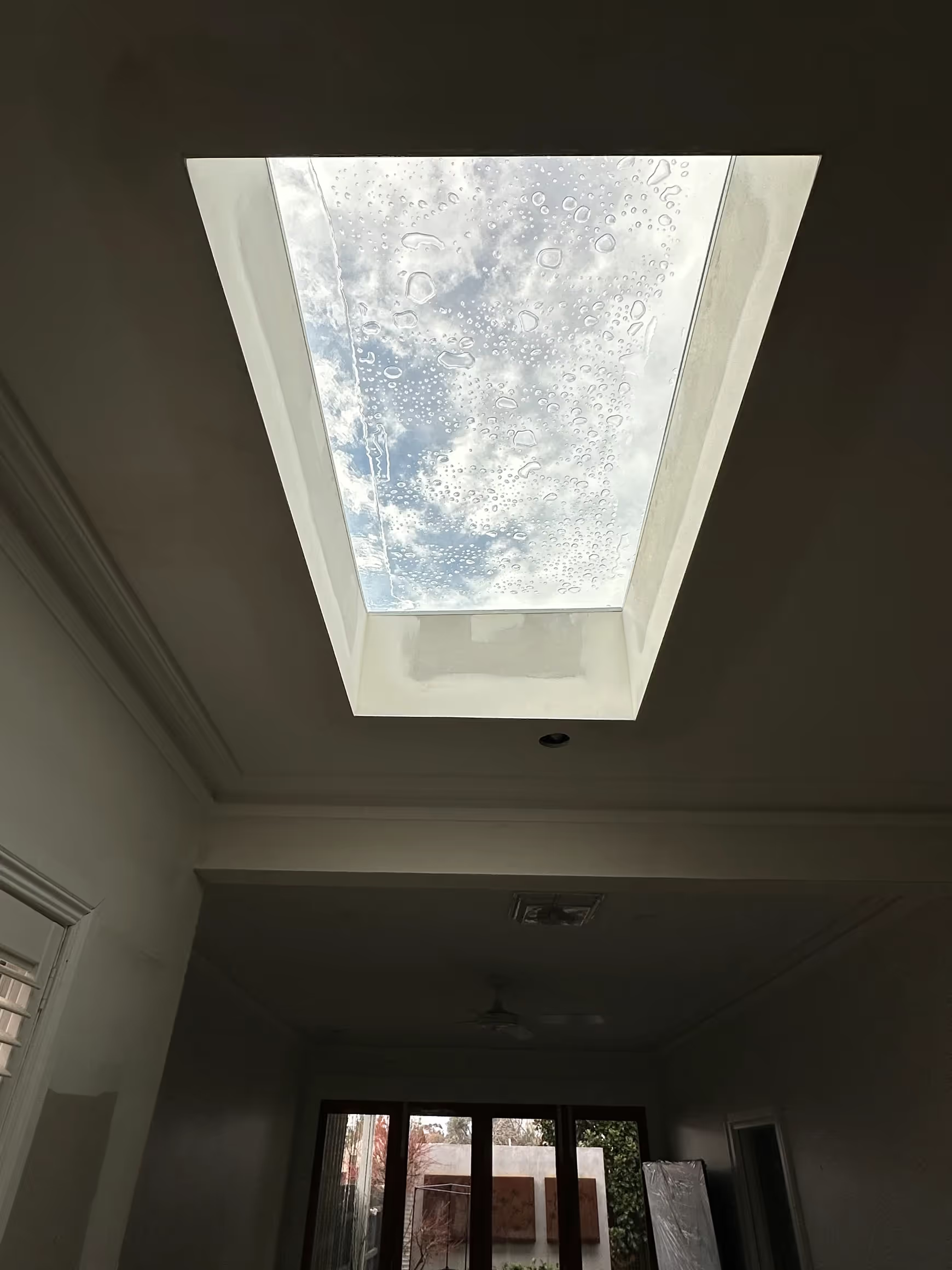
Let There Be Light: A Soulful Guide to Bringing the Sky into Your Home


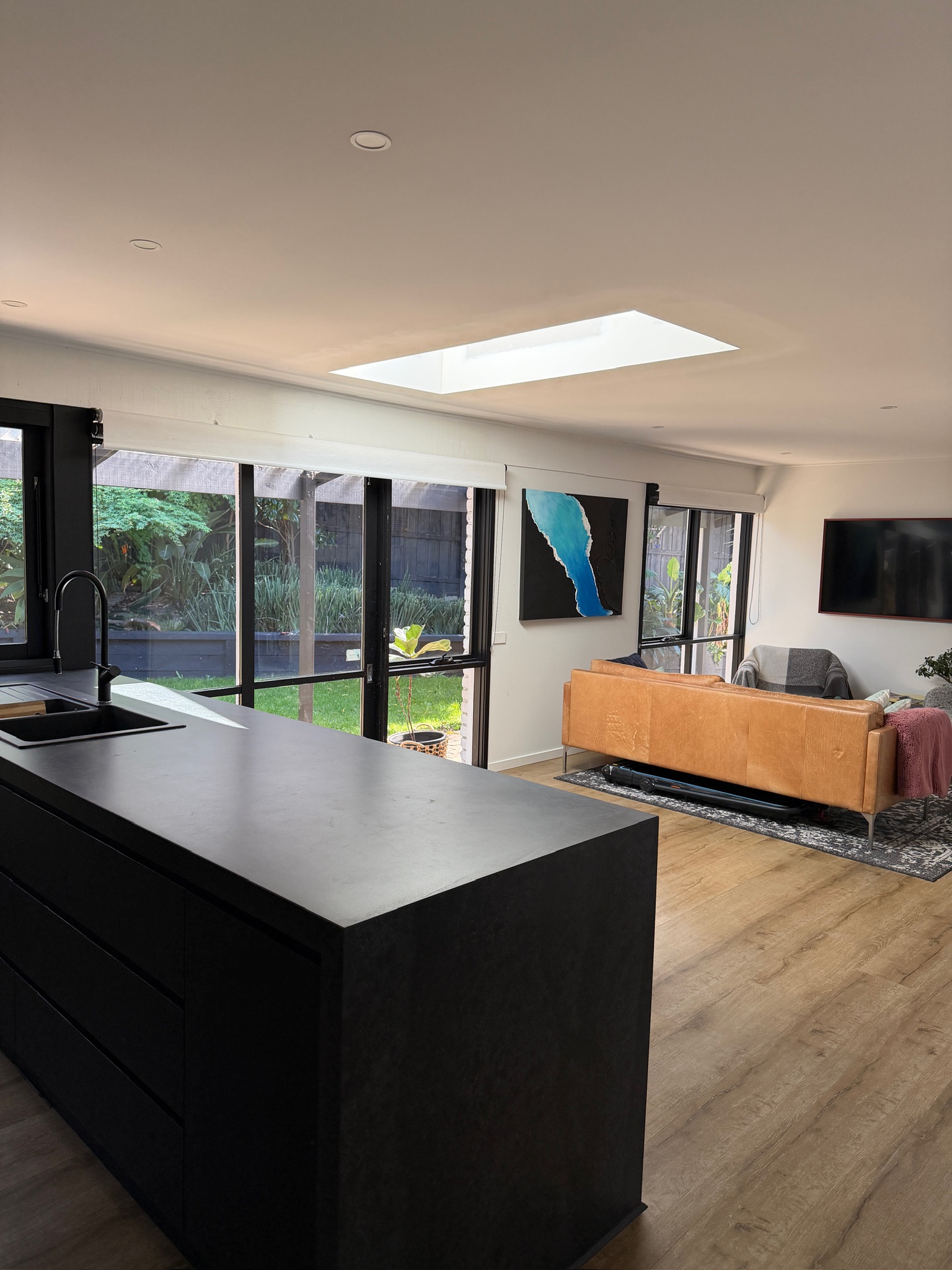
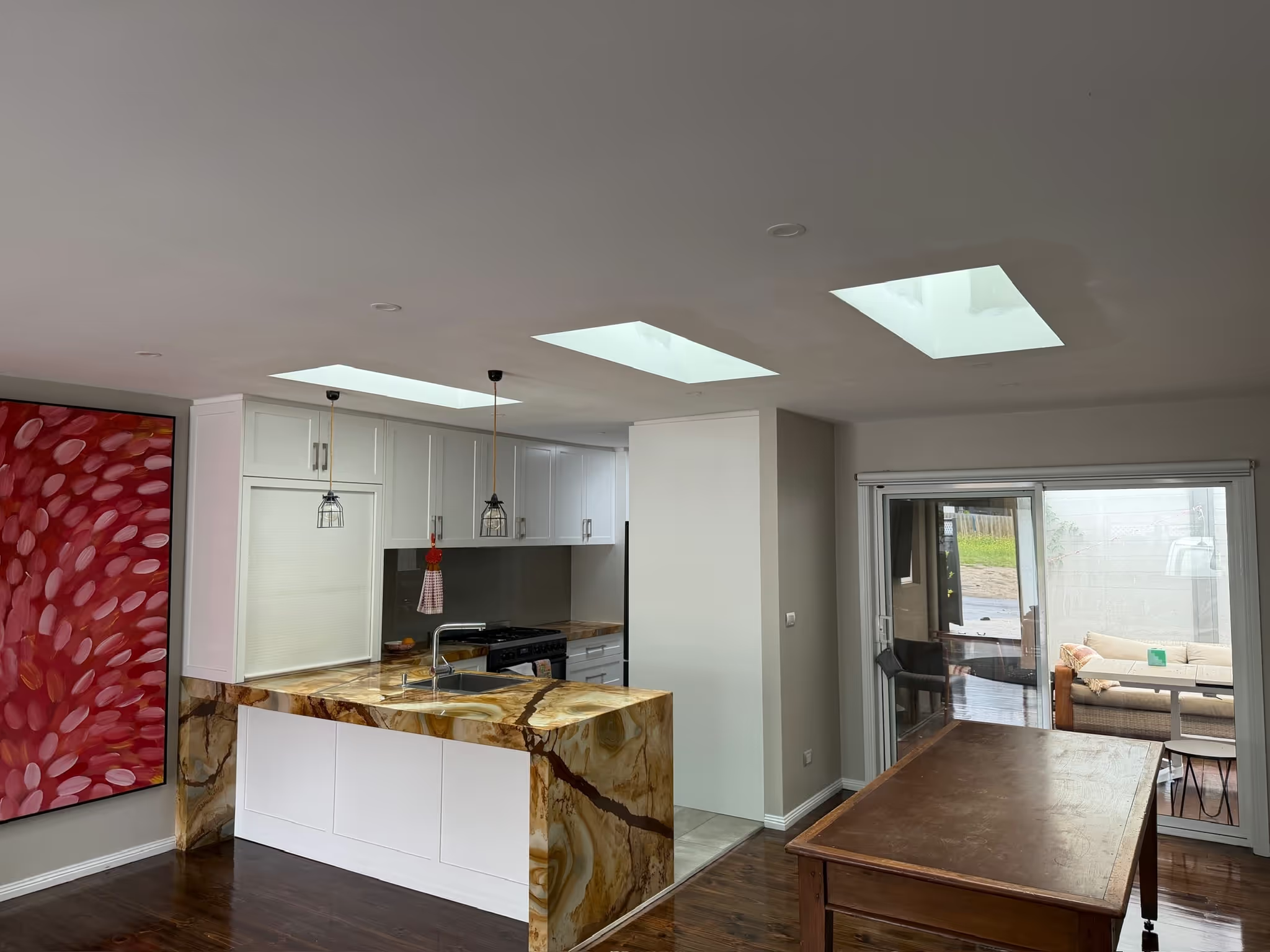
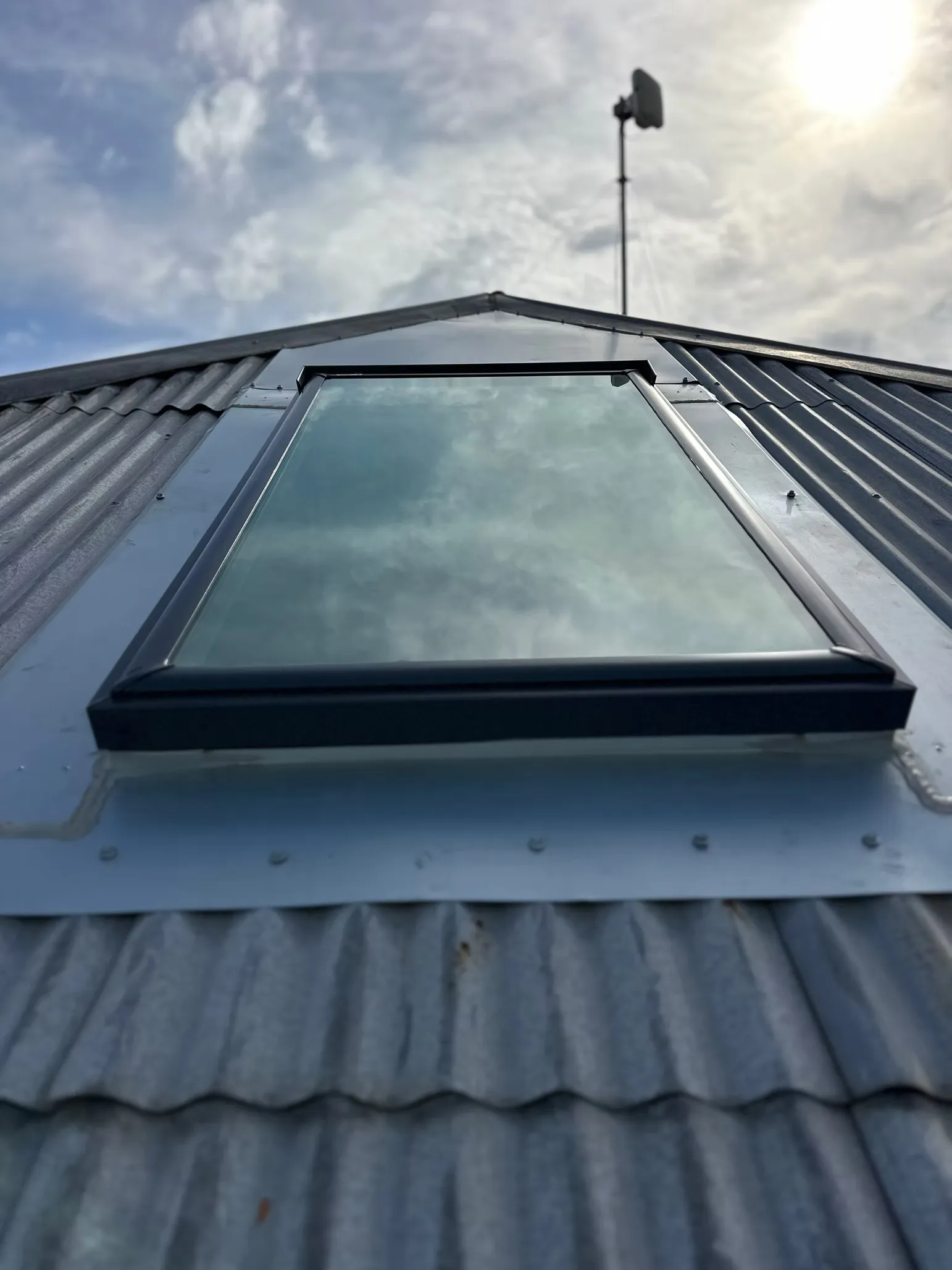
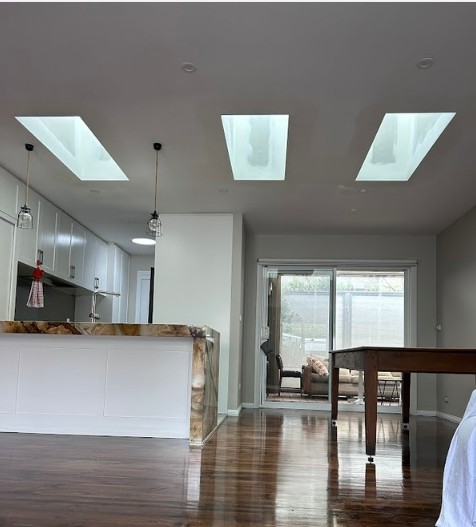
In the sun-drenched Australian market, installing a skylight is a strategic move to future-proof your home against rising energy costs. From the coastal suburbs of Sydney to Melbourne’s heritage terraces, Aussie homeowners are increasingly turning to high-performance glazing to beat the heat while embracing open-plan living. Whether your property features a classic corrugated Colorbond® roof or traditional concrete tiles, a well-placed skylight acts as a natural air conditioner, venting summer heat and flooding dark interiors with "free" light.
Guide to Bringing Sky into Your Home
Cutting a hole in your roof is a big decision that comes with a mix of excitement and "renovation anxiety". To help you navigate this transition, this human-focused guide covers everything you need to feel confident before you look up.
Why? Beyond Aesthetics
While we often think of skylights as design features, their impact on our biology is profound. Humans aren’t meant to live under flickering fluorescent bulbs.
- Mood Connection: Natural light helps regulate circadian rhythms, improving sleep and reducing "afternoon slumps."
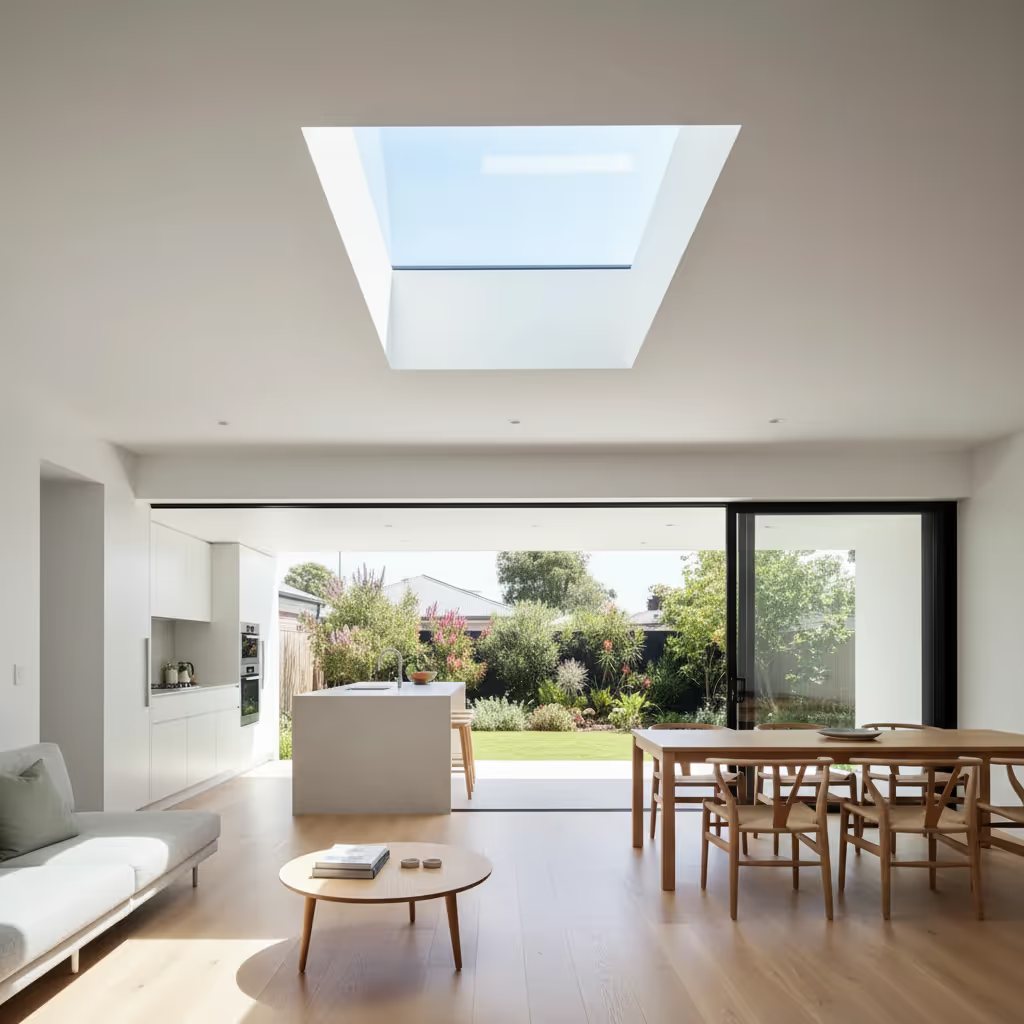
- Space Illusion: If you have a small guest room or a cramped ensuite, a skylight breaks the "box" feel of the room. By connecting interior to infinite sky, room feels double its actual size.
- Greener Choice: In an era of rising energy costs, a well-placed skylight reduces need to flick a switch during day. It’s a quiet way to lower your carbon footprint while enjoying a brighter home.
Choosing Your Window to World
Not all skylights are created equal. Choosing right one depends on whether you want a view, fresh air, or just a splash of brightness.
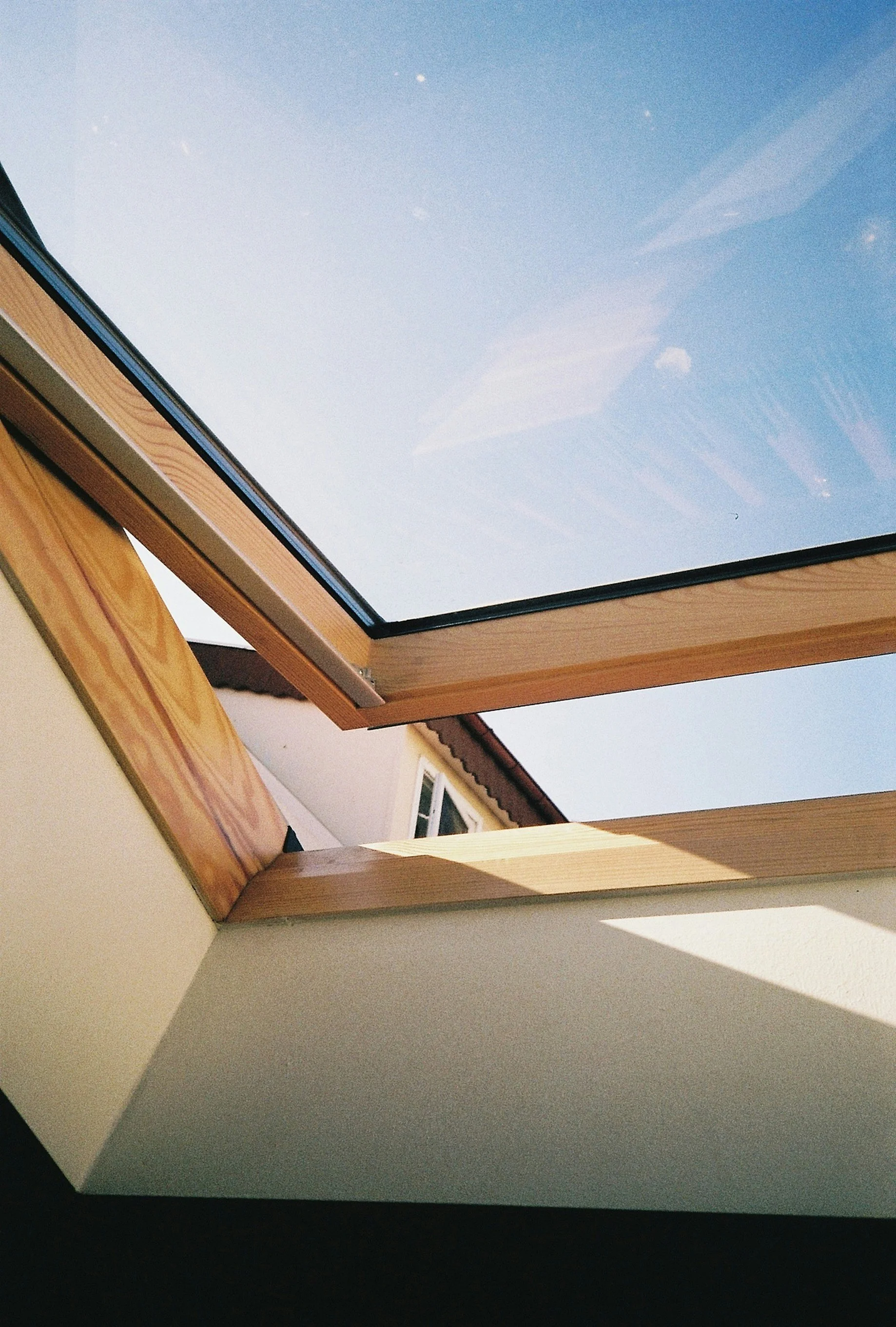
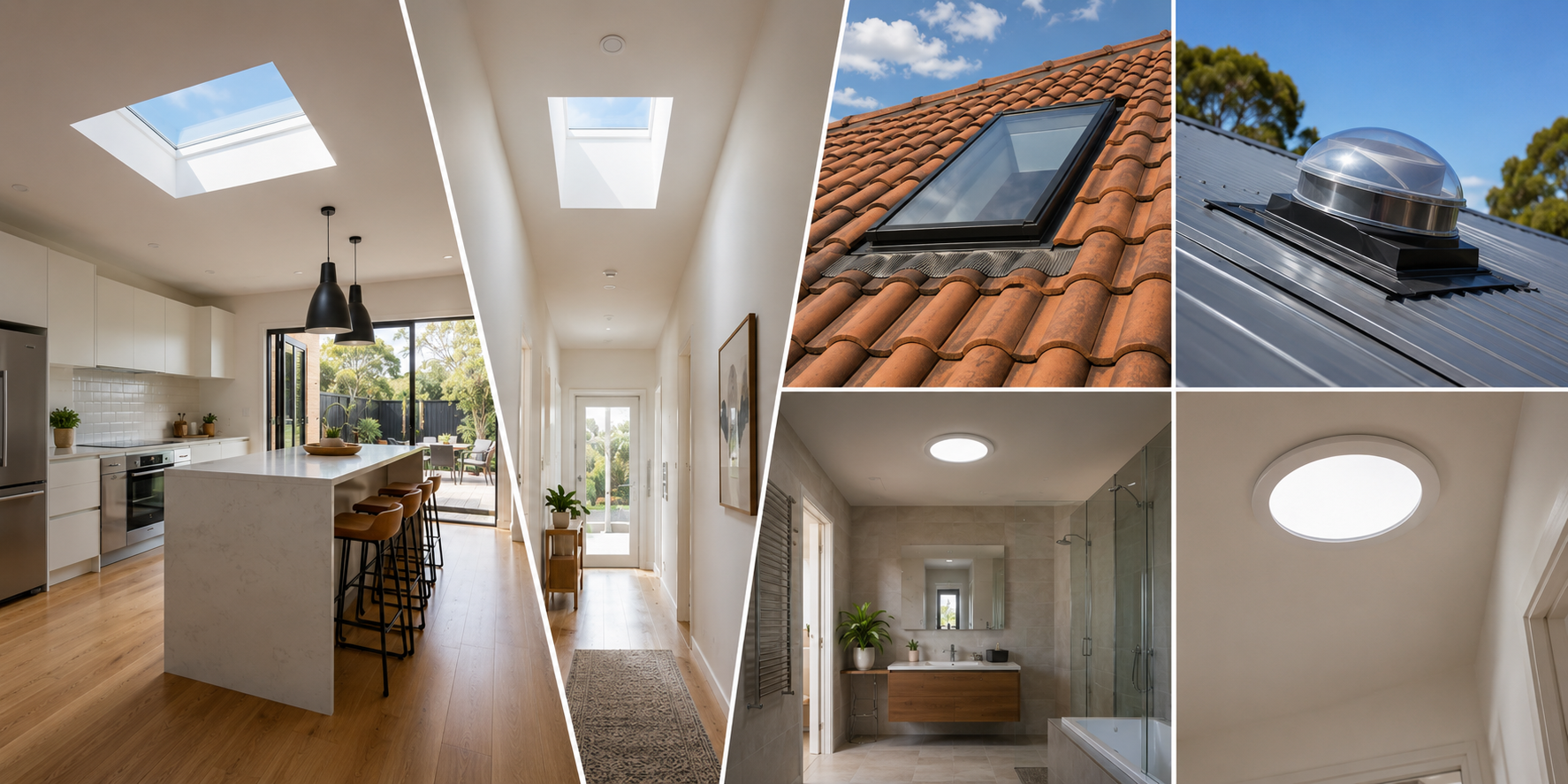
- Fixed Skylights: Think of these as a picture frame for clouds. They don’t open, making them perfect for high ceilings where you want maximum light without the complexity of motorised parts.
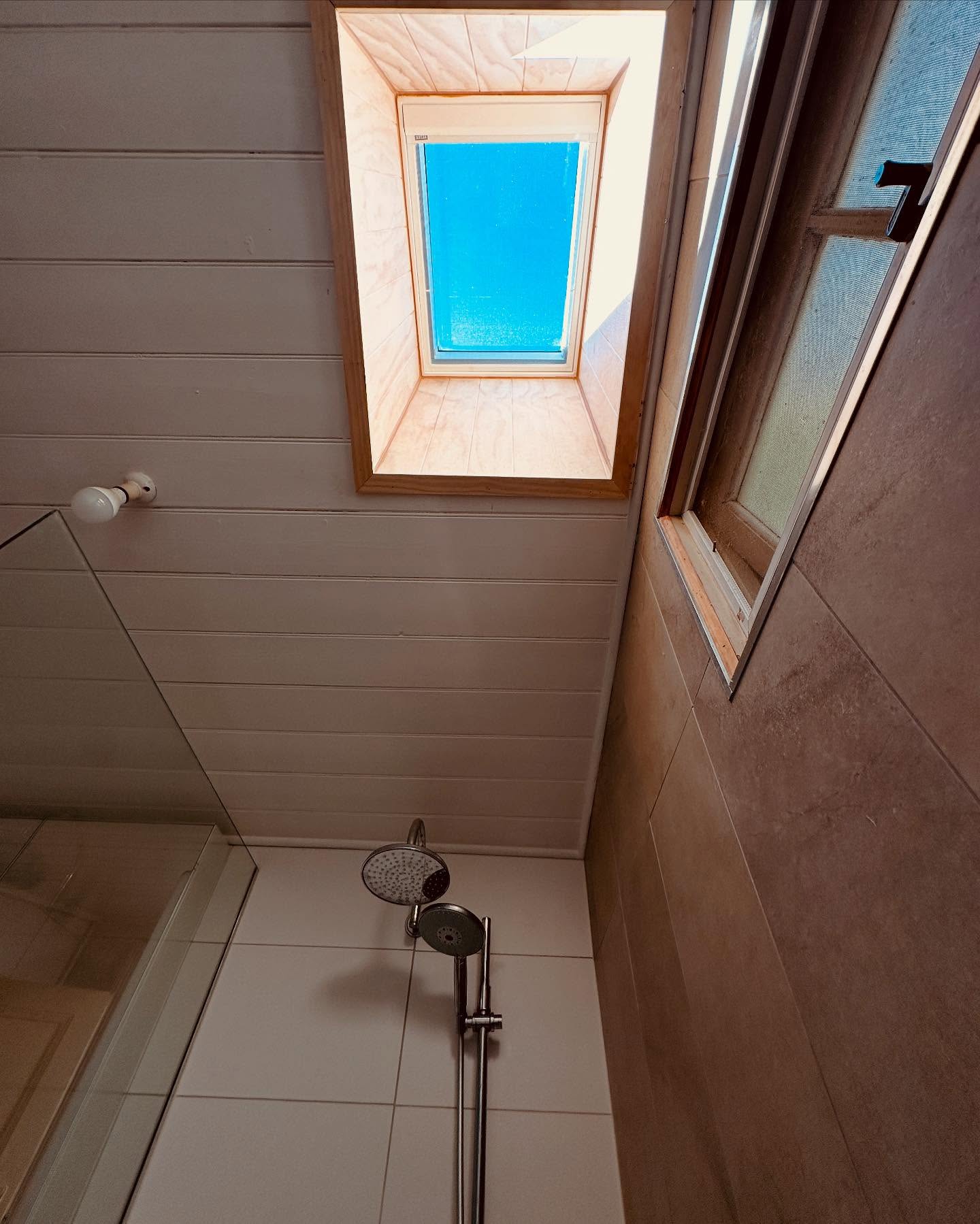
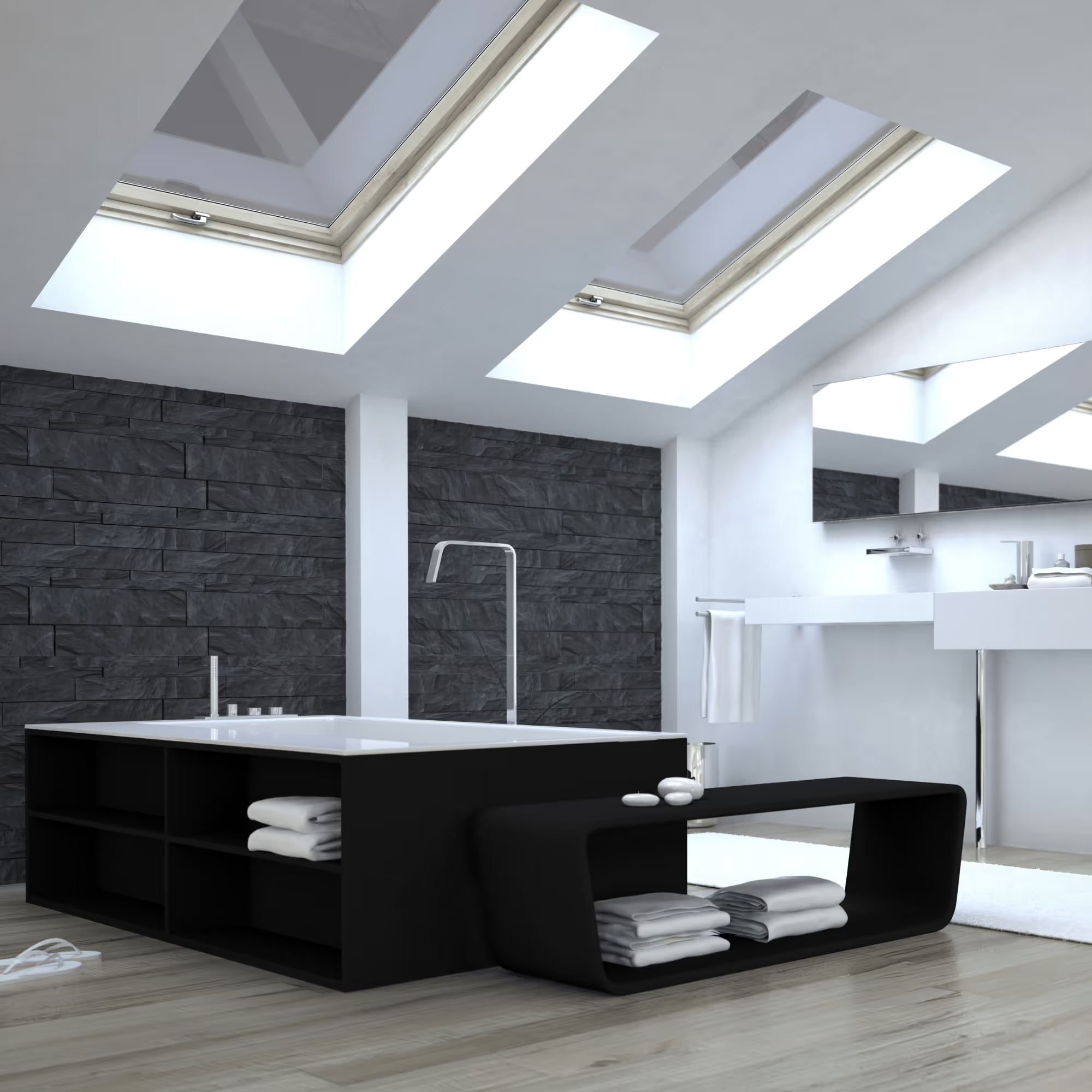
- Manual vs. Electric Venting: If you’re installing in a kitchen or bathroom, you’ll likely want "venting" model. These act like a chimney, allowing rising heat and steam to escape. Modern electric versions even come with rain sensors that close automatically at first drop of a drizzle.
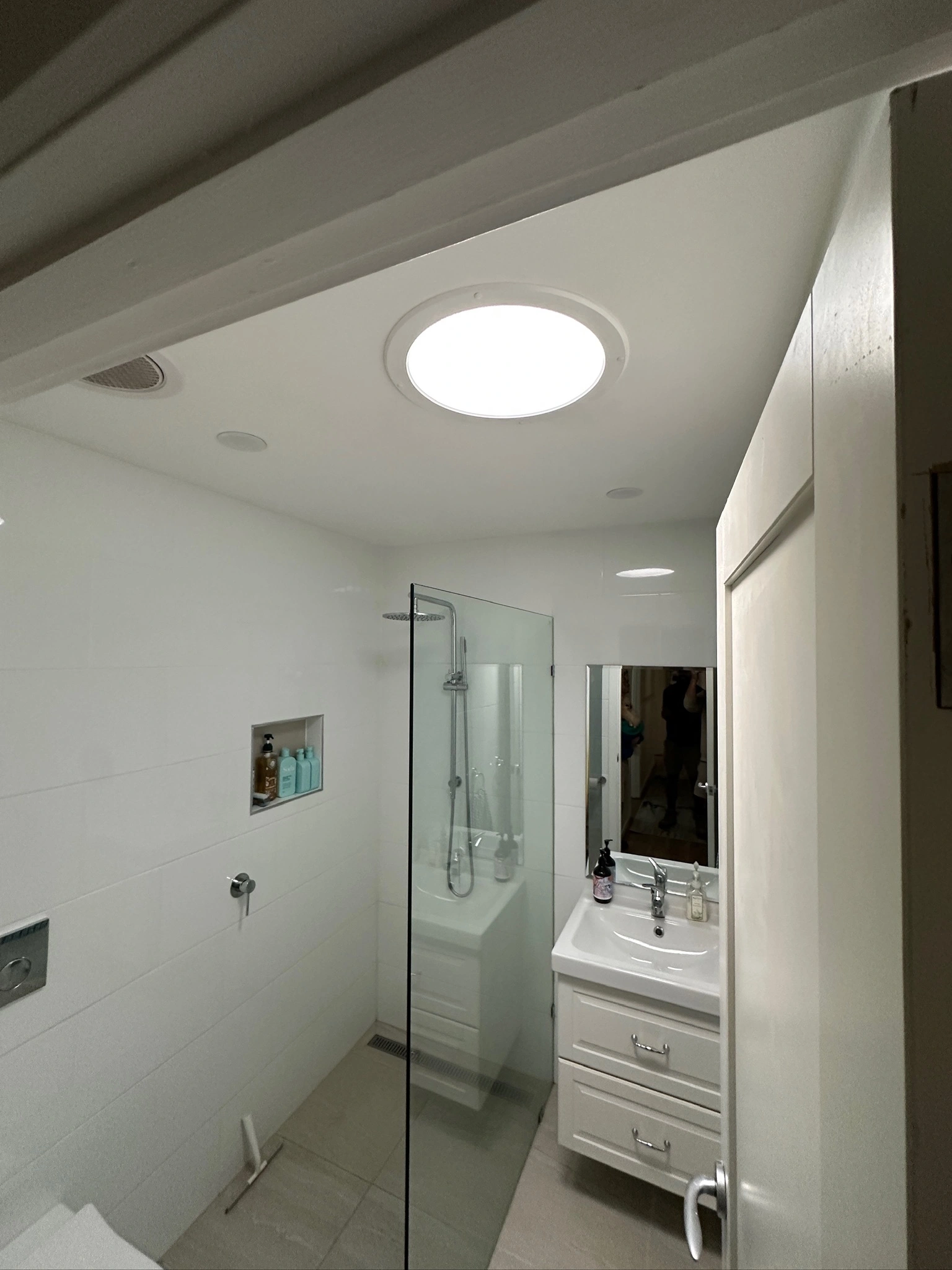
- Sun Tunnel Solution: For walk-in robes or hallways where a traditional window isn't possible, a sun tunnel (reflective tube) can funnel light from roof into a ceiling diffuser. It’s like installing a high-powered lamp that never needs a bulb.
Science of Placement (Orientation Matters)
Where you put your skylight determines the "temperature" of light you receive.
- North-Facing: In Southern Hemisphere, a north-facing skylight is the "gold standard". It provides consistent, warm light throughout day.
- South-Facing: This offers cooler, softer, and more consistent light—perfect for an art studio or home office where you want to avoid harsh glare on computer screens.
- East vs. West: East-facing gives you a brilliant morning wake-up call, while west-facing captures intense afternoon sun. Be careful with west-facing placements, as they can lead to significant heat gain in summer months.
Technical Reality Check: Roofs and Rafters
Before you fall in love with a specific design, roof gets final say.
- Pitch: Most skylights are designed for pitched roofs, but flat-roof versions exist with special "curbs" to ensure water runs off.
- Skeleton: roof is held up by rafters or trusses. While professionals can work around most structures, cutting through a load-bearing truss is a major structural change that requires engineering.
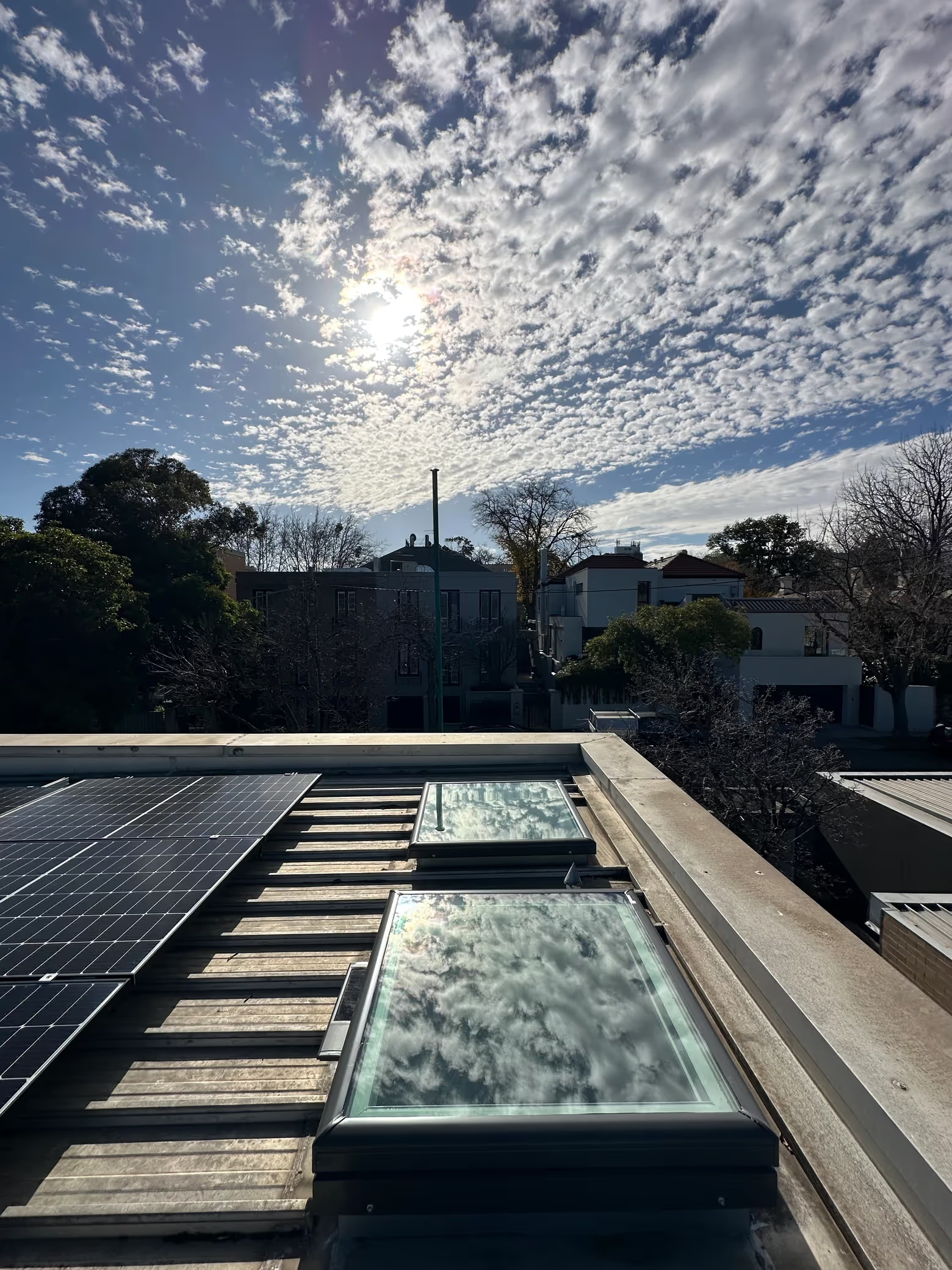
- Obstructions: It sounds obvious, but many homeowners forget about what's on the roof. Chimneys, plumbing vents, and solar panels can all dictate where skylights can—and cannot—go.
Heat Management: Low-E Factor
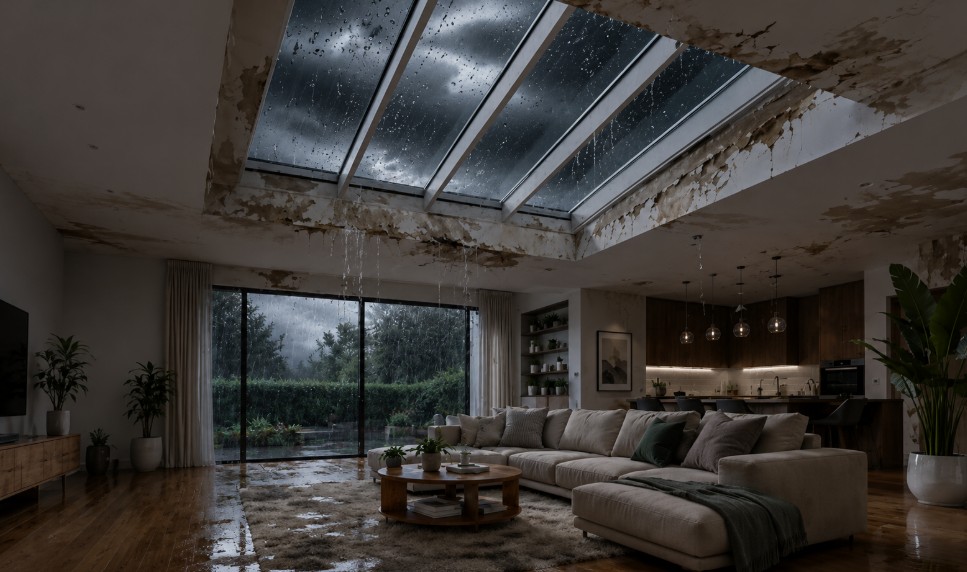
A common fear is that skylight will turn room into a greenhouse. This is where modern technology is your best friend. Look for "low-E" (low-emissivity) glass. This invisible coating reflects infrared heat back outside in summer and keeps warmth inside during winter. Pairing this with built-in blinds—especially solar-powered ones—gives you total control over environment.
DIY Temptation vs. Professional Peace of Mind
We live in a world of YouTube tutorials, but skylight installation is one area where professional expertise is non-negotiable. A skylight is a "penetration" in a home's primary defence against elements.
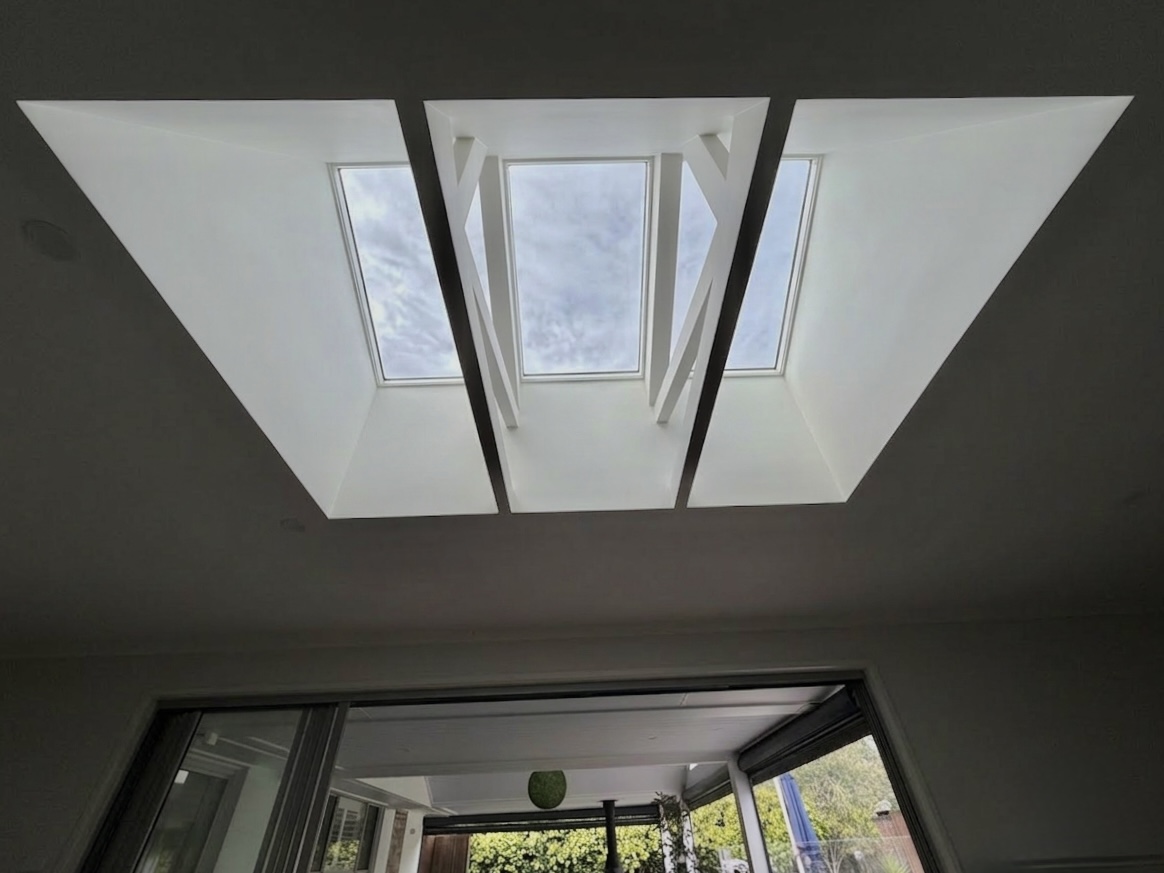
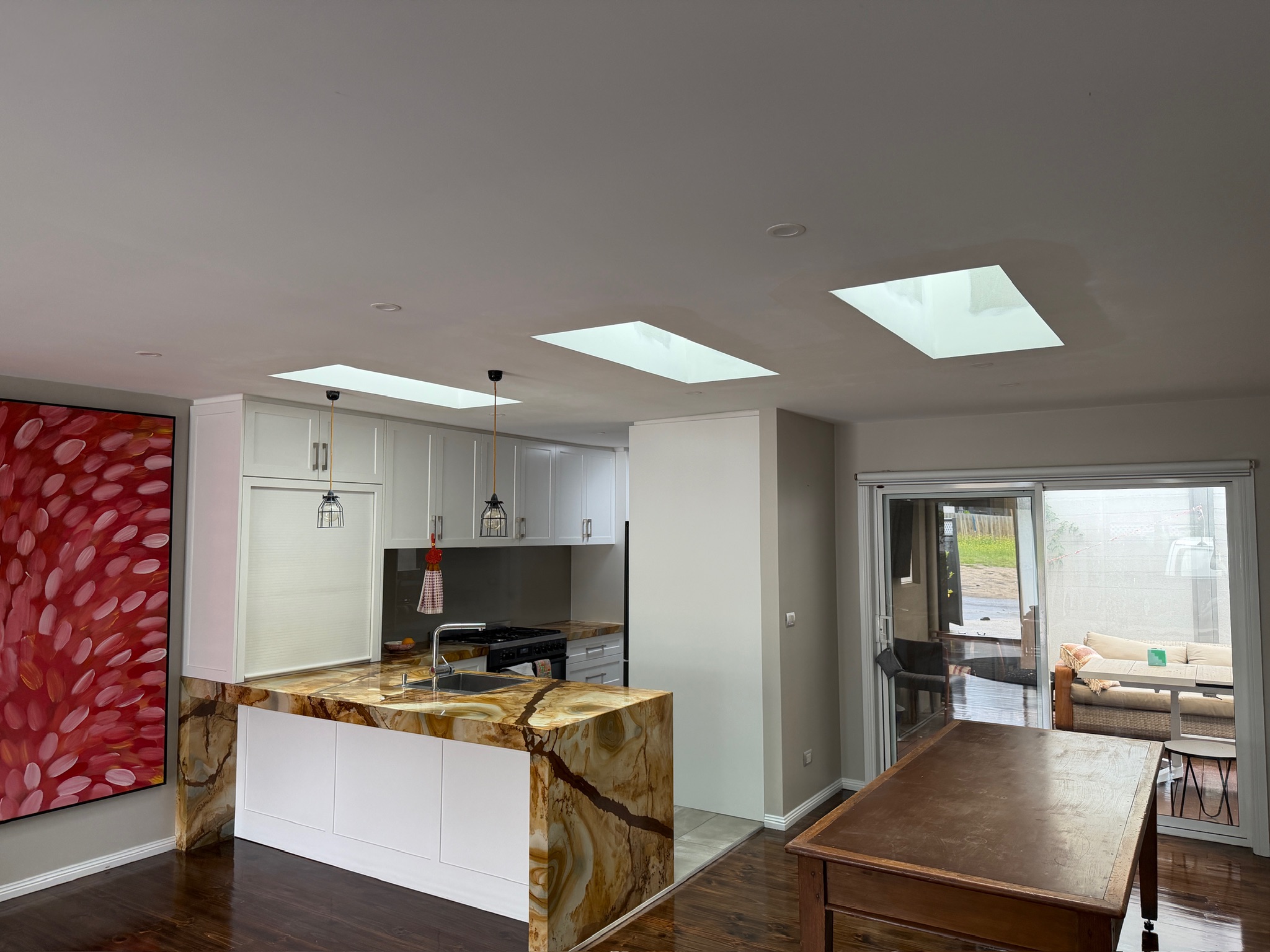
A professional installer doesn't just cut a hole; they ensure "flashing" (waterproof seal) is integrated perfectly with tiles or metal sheeting. They understand how to manage the "light shaft"—the drywall tunnel between roof and ceiling—which is often most labour-intensive part of job.
Maintenance: Little Love Goes a Long Way
Skylights are remarkably low-maintenance, but they aren't "fit and forget".
- Clear Debris: Leaves and twigs can build up around flashing, creating a dam that holds water. A quick check once a year (especially after autumn) keeps drainage clear.
- Seal Integrity: Every few years, have a quick look at seals. High-quality brands like Velux are built to last decades, but extreme weather can eventually wear down even the toughest materials.
Summary Checklist for Homeowners
- Define Goal: Is it for light, air, or both?
- Check Path: Are there wires or pipes in the ceiling?
- Consult the sun: which direction does roof face?
- Budget for "Finish": Remember that internal plastering and painting of light shaft are separate from roof work.
- Choose Quality: Since labour is biggest cost, don’t skimp on unit itself.
Read next
More from our guides

.png)
.png)