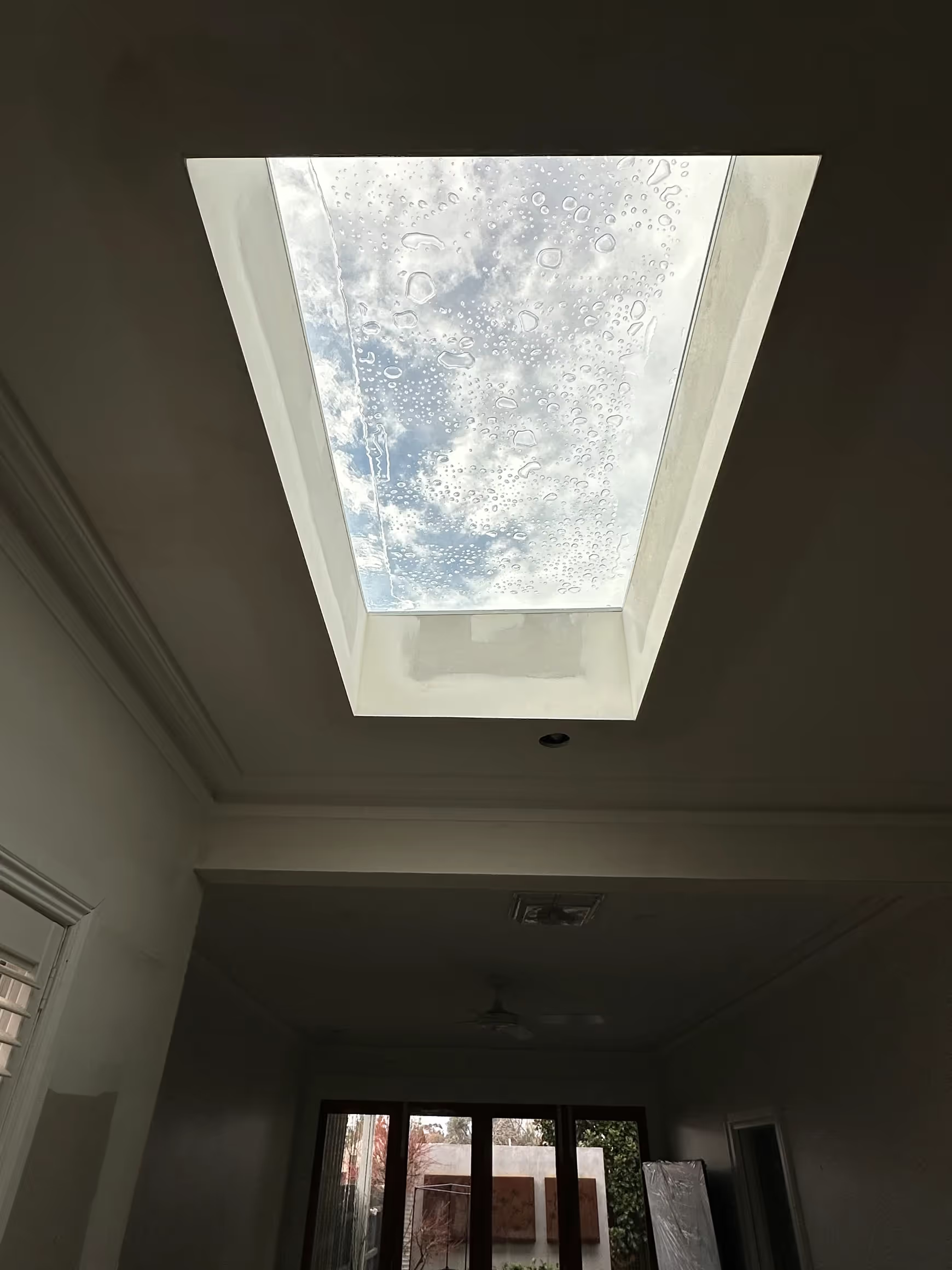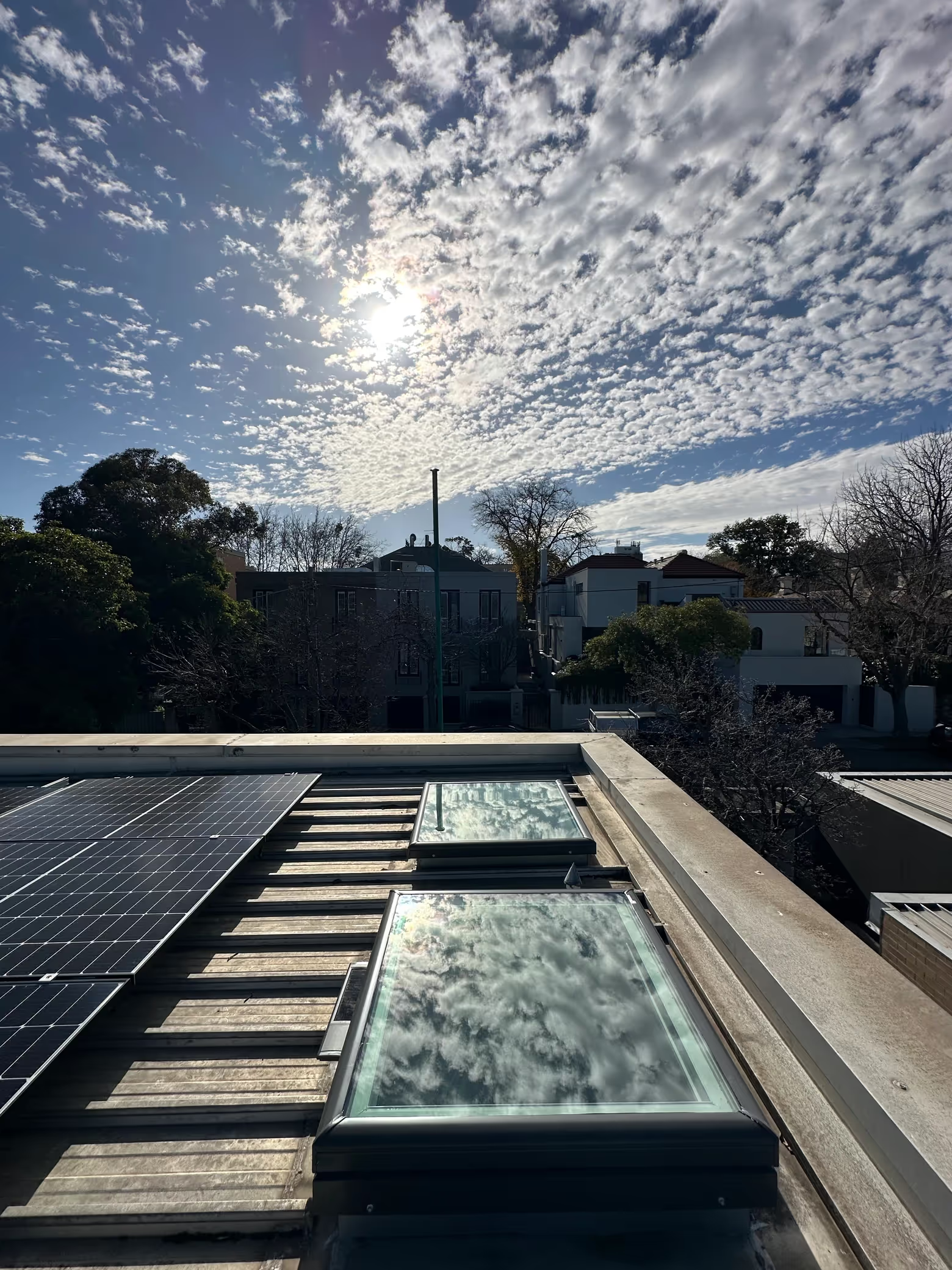
Leaking Skylight: Here's Exactly What to Do


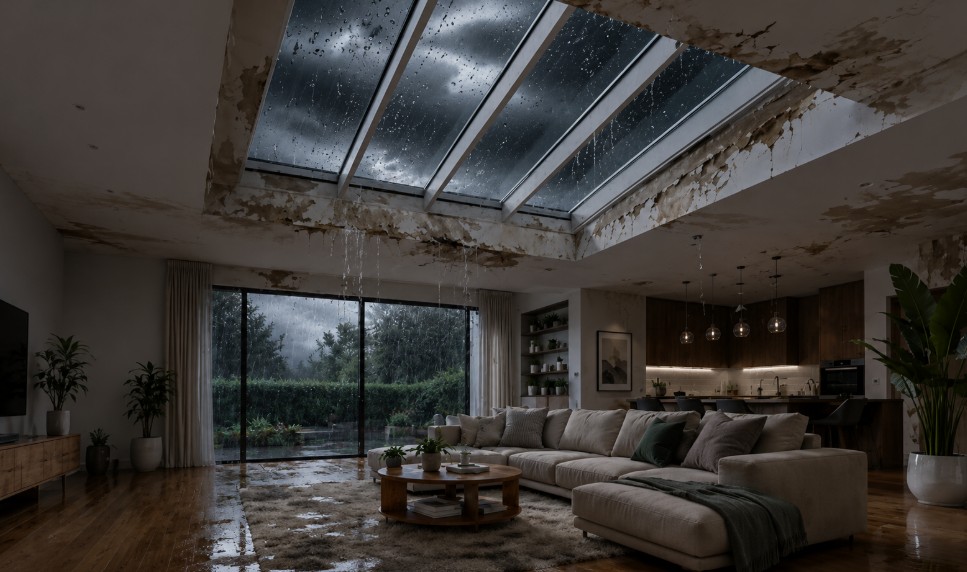
You've noticed a water stain spreading across your ceiling. Or maybe you've spotted a drip during the last big Melbourne downpour. Your first instinct is to blame the skylight directly above and you might be right. But you might also be wrong, and misdiagnosing the source is how a small leak becomes a major repair bill.
This guide walks you through the exact process that professional skylight installers use to find and fix leaks so you can make a smart decision about what to do next.
Step one: Don't assume it's the skylight
Water travels. A stain on your ceiling directly below a skylight could be caused by the skylight itself or by a dozen other things: cracked roof tiles nearby, a blocked gutter above that's overflowing, condensation inside the shaft, or even a plumbing issue in an upstairs room. Before you call anyone, it pays to rule out the obvious culprits.
Common misdiagnosis: Condensation dripping from a skylight shaft during Melbourne winters is often mistaken for a leak. If the water appears only in cold, humid weather and stops when it warms up, you're likely dealing with condensation, not a failed seal. This is typically a ventilation issue, not a waterproofing failure.
The six most common causes of a leaking skylight
01 Failed flashing: The metal seal between the skylight frame and your roof tiles. Flashing fails when it's poorly installed, corrodes, or is damaged by foot traffic during roof work.
02 Cracked or degraded sealant: UV exposure and Melbourne's temperature swings cause silicone sealant to shrink and crack over time, often within 5–10 years on cheaper installs.
03 Broken or displaced tiles: A cracked tile near (not at) the skylight can channel water toward the frame. The skylight looks like the problem, but the tile is the cause.
04 Blocked drainage channels: Velux and similar brands have integral drainage channels designed to carry away minor water ingress. When these are blocked with debris, water has nowhere to go.
05 Condensation in the shaft: Cold air meeting warm, humid air inside the ceiling cavity creates condensation. Not a leak, but it looks exactly like one and needs a different fix.
06 Frame or glazing failure: Older skylights with degraded rubber gaskets or hairline cracks in the glazing unit itself. Less common but requires full replacement rather than repair.
How to diagnose the leak yourself (safely)
You don't need to get on the roof to gather useful information. In fact, for most Melbourne homes with tiled roofs, we'd recommend against it unless you're confident and have the right safety equipment. Here's what you can do from inside:
- Note exactly when the dripping or staining occurs during rain, after rain, in cold weather only, or continuously. This tells you a lot about the cause.
- Check the stain shape. A spreading ring suggests slow water movement from a consistent point. A vertical drip track suggests a specific entry point near the skylight frame.
- If you have roof space access, inspect the underside of the skylight shaft with a torch after rain. Look for active moisture, dark discolouration, or mineral deposits (white chalky streaks indicate long-term water movement).
- Check the ceiling cavity near the skylight for insulation that's wet or compressed, a sign of repeated water exposure.
- Look at the visible portion of the skylight frame from inside the room. Corrosion, discolouration, or paint bubbling on the reveal plasterwork all point to the frame area as the source.
Quick test: On a clear, dry day, get a garden hose and slowly wet the roof around the skylight while someone watches the ceiling inside. Start at the lowest point and work up. This often pinpoints the exact entry point without needing to open anything up
What you can fix yourself vs. what needs a professional

How much does skylight leak repair cost in Melbourne?
Cost varies significantly depending on the cause. The most expensive repairs are those that were left too long — water damage to ceiling plasterboard, wall lining, and insulation compounds quickly.

If a repair quote seems high, ask the installer to itemise it. A reflash, for instance, should include the cost of tile removal, the Velux flashing kit itself (typically $200–$400 depending on roof type), labour, and tile reinstatement. Any reputable specialist will be happy to explain every line item.
When replacement makes more sense than repair
If your skylight is more than 15–20 years old, a single repair might not be the end of the story. Older units with degraded seals and UV-damaged frames often develop secondary issues within a few years of the first repair. At that point, replacing the unit entirely while the trades are already on site typically costs less in the long run than repeated call-outs.
Why some Melbourne skylight leaks come back after repair
The most common reason a repaired skylight leaks again is that the wrong cause was fixed. Replacing sealant when the flashing is the problem or fixing the flashing when the actual culprit is a cracked tile further up the roof – these are costly mistakes that happen when the diagnosis is rushed.
A thorough repair job starts with a proper inspection on the roof and inside the ceiling cavity and a careful assessment of when and how the leak behaves. Skip any of those steps and you're guessing.
Watch out for temporary fixes like roof sealant spray applied over the top of flashing. These products can actually trap moisture and accelerate corrosion of the underlying flashing. They're a short-term patch at best, and they make proper repair harder and more expensive later.
Frequently asked questions
My skylight is leaking, but it's still under warranty. What do I do?
Contact the installer first, not the manufacturer. Velux warranties cover product defects, but leaks are almost always an installation issue. If your installer is unresponsive or no longer trading, contact Velux Australia; they maintain a network of certified installers who can assess warranty claims.
Can I claim a leaking skylight repair on home insurance?
It depends on the cause and your policy. Sudden storm damage, like a tile displaced by strong winds that allows water in, is typically covered. Slow leaks caused by wear, poor installation, or lack of maintenance are usually excluded. Document everything with photos and get a written report from the installer explaining the cause.
How long should a skylight repair last?
A properly executed reflash using the correct Velux flashing kit should last as long as the roof itself, 15 to 25 years. A silicone reseal, if done correctly with the right product, should last 8–12 years. Any repair described as "good for a couple of seasons" is a bandaid, not a fix.
Is it safe to keep using a room with a leaking skylight?
In the short term, yes, but get it seen quickly. Water in ceiling cavities promotes mould growth within 24–48 hours of saturation. Mould behind plasterboard is both a health hazard and significantly more expensive to remediate than the original leak repair.
Read next
More from our guides

.png)

.png)