The Ultimate Guide to Skylight Installation Costs and Benefits in Australia (2026)
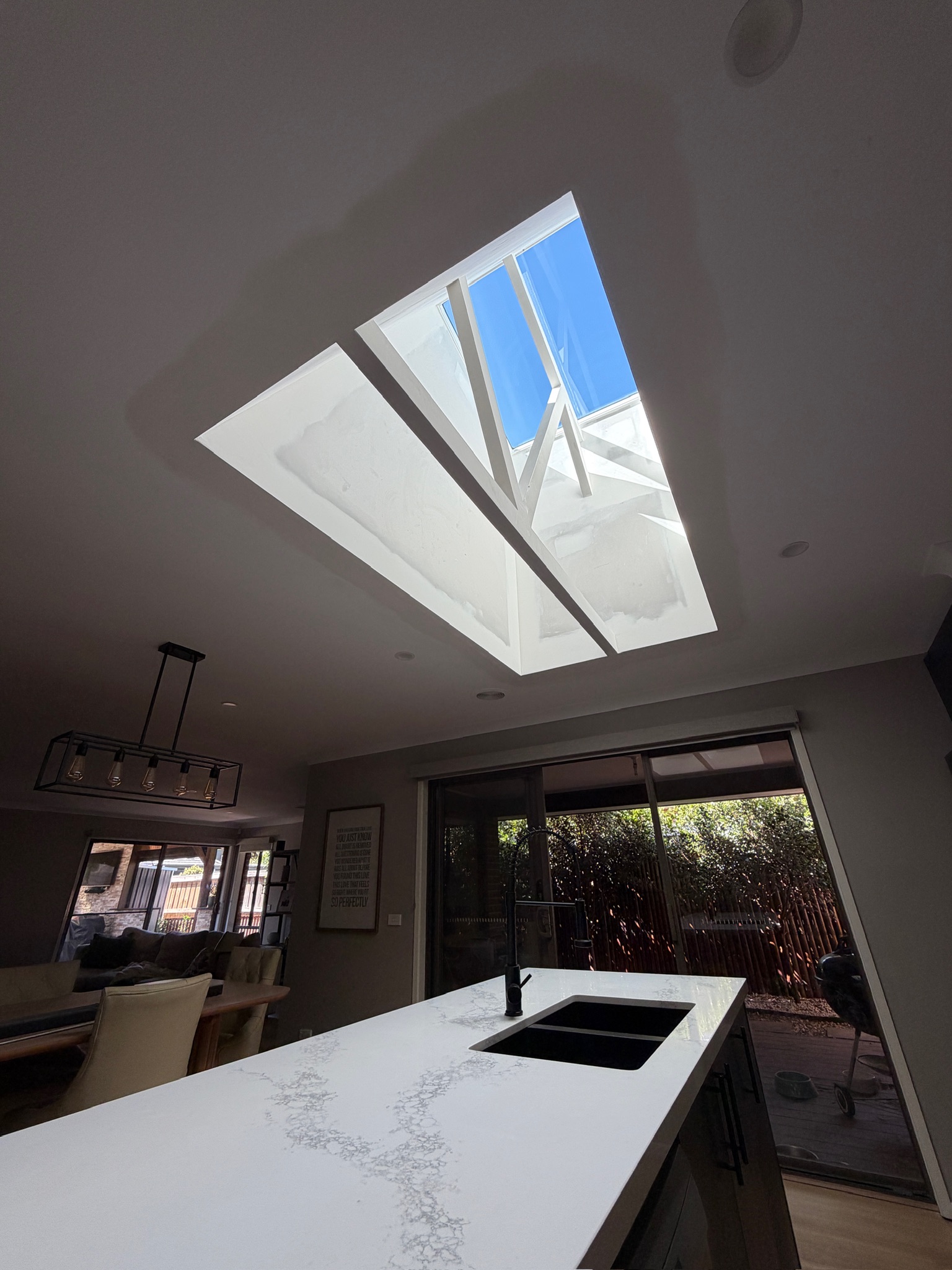
In 2026, the Australian market for skylights remains a popular choice for homeowners looking to brighten living spaces and reduce electricity bills. While the core structural factors are similar to the UK, the local pricing, climate considerations, and government incentives differ significantly.
Total professional installation costs in Australia typically range from AU$1,000 to over AU$4,500 AUD, depending on the unit type and roof complexity.
Factors Influencing Your Australian Quote
In Australia, the final price is heavily influenced by your roof’s construction and the local labor rates, which range from AU$80 to AU$120 per hour for licensed tradespeople.
In the Australian market of 2026, the battle between Colorbond (Metal) and Tiled roofing is the primary decider for your skylight installation budget. While both offer a "bright and airy" result, the structural work required behind the scenes varies significantly.
Metal (Colorbond) Roofs: The Aussie Standard
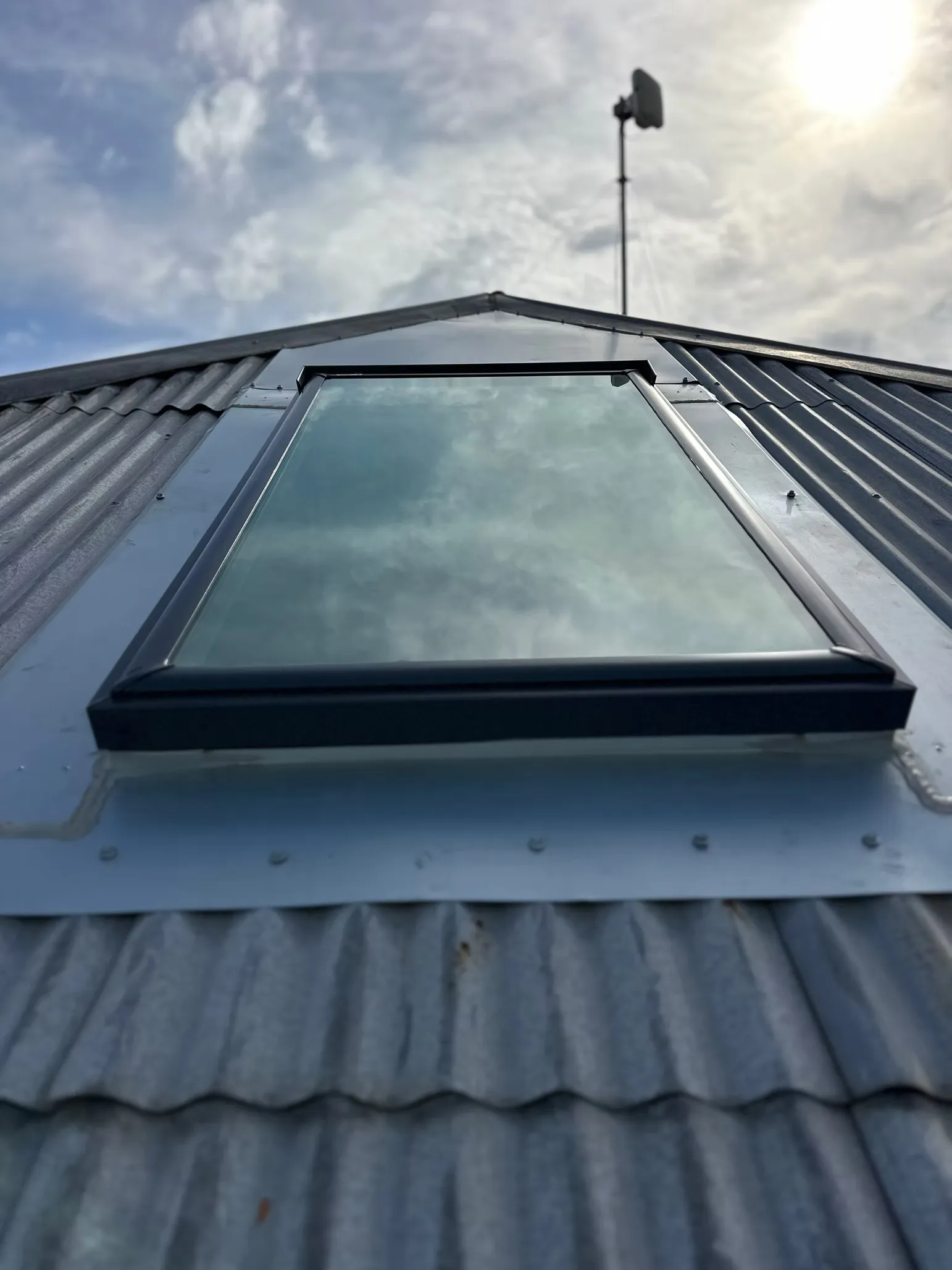
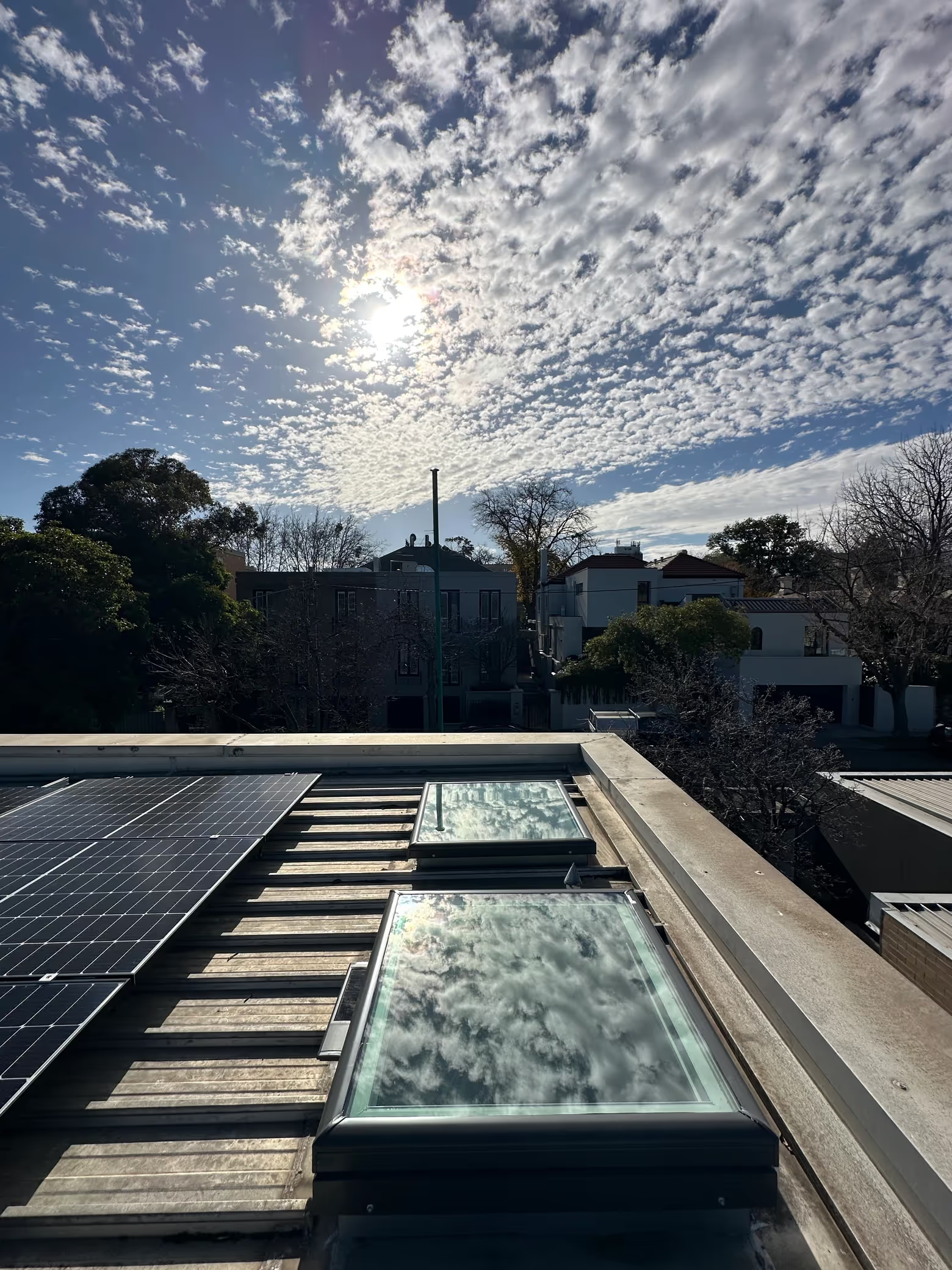
In 2026, Colorbond remains the most cost-effective platform for skylight integration. These roofs allow for a "simple cut and fit" approach. Because a single sheet covers a large area, a licensed installer can precisely cut the opening with minimal wastage.
The flashing kits for metal roofs are designed to marry perfectly with the corrugations, creating a mechanical bond that is incredibly resilient against the "once-in-a-generation" storms we’re seeing more of in Queensland and NSW. Standard installation labour for a metal roof typically sits between AU$400 and AU$1,000. It’s a clean, efficient process that usually wraps up in a single day, making it the "no-drama" choice for modern Australian renovations.
Tiled Roofs: The Custom Craft
Conversely, installing a skylight into a tiled roof is a more bespoke, labour-intensive exercise. Tiles are bulky, interlocking, and brittle. An installer can't just "cut through" them; they must carefully remove several courses of tiles, modify the underlying timber battens, and often reinforce the rafters to ensure the roof’s structural integrity isn't compromised by the new opening.
The waterproofing is the most critical (and expensive) part. To prevent leaks during heavy tropical downpours, installers must use malleable lead-free aprons and custom "soaker" flashings that are hand-moulded to the specific profile of your tiles. Because of this extra "tradie" time and the need for precision carpentry, expect to pay a premium of AU$200 – AU$500 over a metal roof installation.
Key Maintenance Tip
Regardless of your material, in 2026, the Australian Sun (UV) is harsher than ever. Ensure your quote includes high-performance glazing to prevent your living room from becoming a "greenhouse" during a 40°C January afternoon. For vegetarian households, this thermal protection is also vital for keeping indoor herb gardens from wilting in the intense midday heat.
The "Light Shaft" Challenge: Bridging the Gap in Aussie Homes
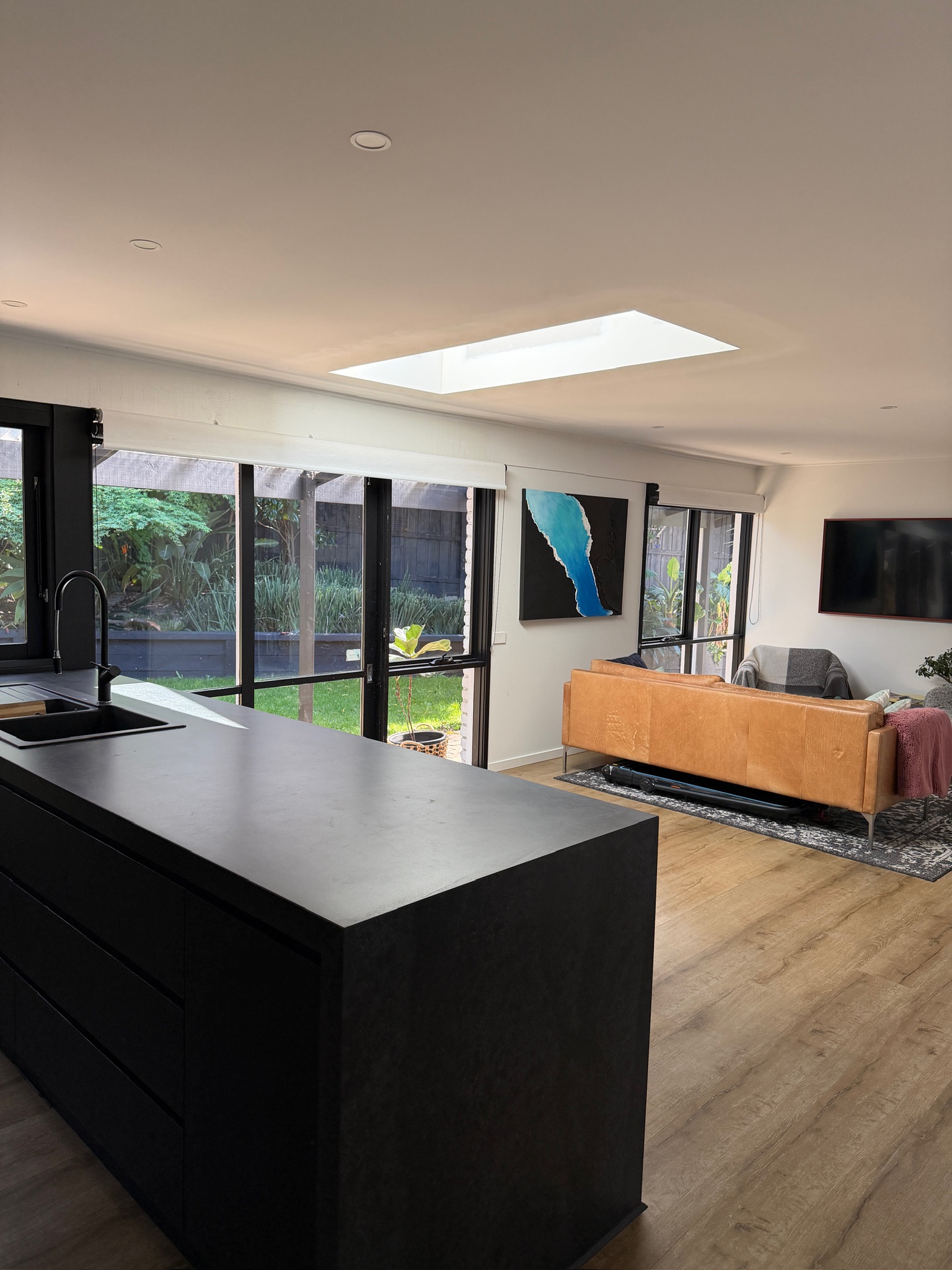
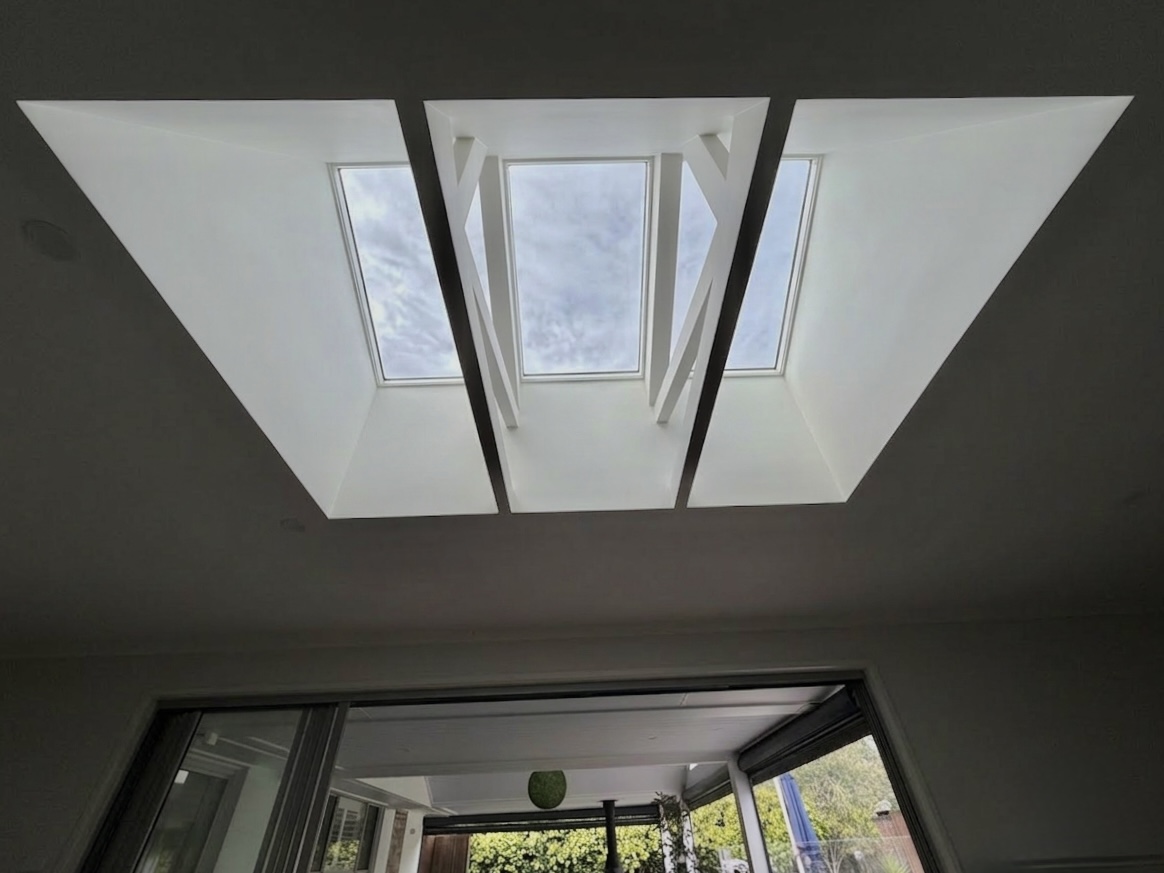
In the Australian market, the "light shaft" is often the most significant variable in a renovation quote. Unlike modern apartments with thin ceiling profiles, the classic Australian suburban home—whether it's a brick veneer in Melbourne or a Queenslander typically features a substantial roof cavity. To bring that sunlight from the roof tiles down into your kitchen or hallway, you have to build a structural "tunnel" known as the light shaft.
Structural Carpentry and Framing
Because you are essentially cutting a hole in the "spine" of your home, this isn't a job for a weekend warrior. A licensed carpenter must install trimmers—additional timber supports—to reinforce the rafters and ceiling joists. This ensures your roof doesn't sag under the weight of the new glass or during a heavy summer storm. In 2026, with the rising costs of timber, this structural phase accounts for a fair chunk of the labour, often requiring a full day of "chippie" work to get the angles and framing spot on.
Plastering, Skimming, and Painting
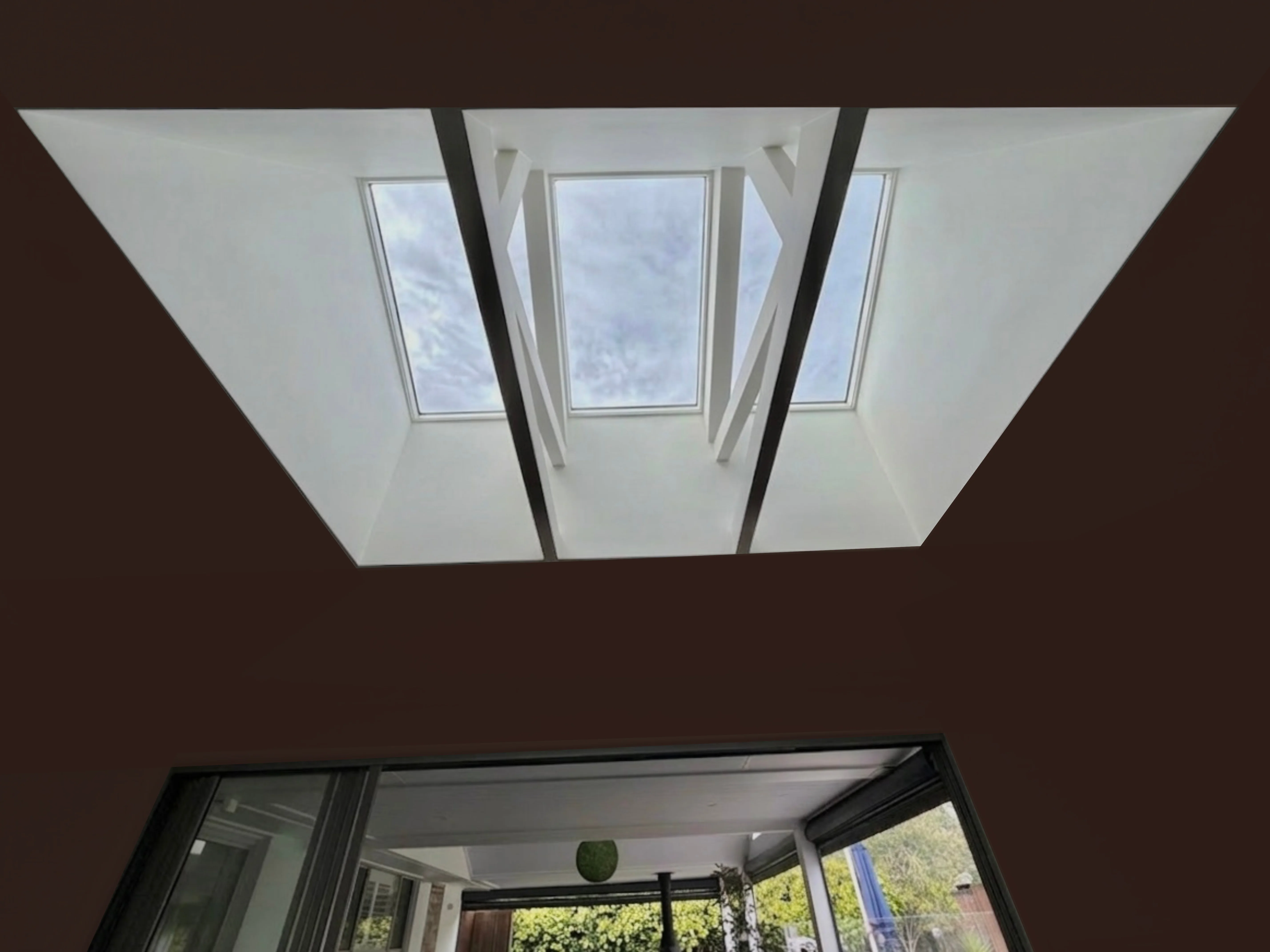
Once the "bones" are in, the shaft needs to be lined with plasterboard. This is where the aesthetic magic happens. A "Helpful Expert" installer will ensure the shaft flared—making it wider at the bottom than the top to maximize the spread of light across the room. After the boards are up, a plasterer must "skim" the joins to create a seamless finish. Finally, a few coats of high-reflectance white paint are applied to bounce as much light as possible into your living space.
Thermal Lining: Beating the Aussie Heat
Perhaps the most crucial element in 2026 is thermal lining. Without proper insulation (like R-rated batts or foil wraps) around the shaft, it acts like a chimney in reverse. In a scorching 40°C Australian summer, an uninsulated shaft becomes a "heat trap," radiating warmth into your cool, air-conditioned home. For vegetarian households growing indoor herbs like basil or kale under the skylight, this temperature control is the difference between a thriving garden and wilted greens. Proper insulation keeps the heat out in January and the warmth in during a biting July frost.
2026 Government Rebates & Grants
While there is no single "Skylight Grant," several state-based energy efficiency schemes in 2026 can indirectly lower your costs:
- Victorian Energy Upgrades (VEU): In early 2026, the VEU re-introduced support for ceiling insulation and window glazing. If your skylight installation is part of a broader thermal upgrade, you may qualify for discounts or certificates.
- NSW Energy Savings Scheme (ESS): Households can access rebates for upgrades that reduce peak demand. High-performance, solar-powered ventilated skylights are often eligible under "smart home" or "solar appliance" categories.
- Small-scale Technology Certificates (STCs): If you opt for solar-powered ventilated skylights or solar blinds, the unit may qualify for STCs, which act as an upfront discount (often applied by the installer).
Key Benefits for the Australian Home
Energy Efficiency: Slashing the Power Bill
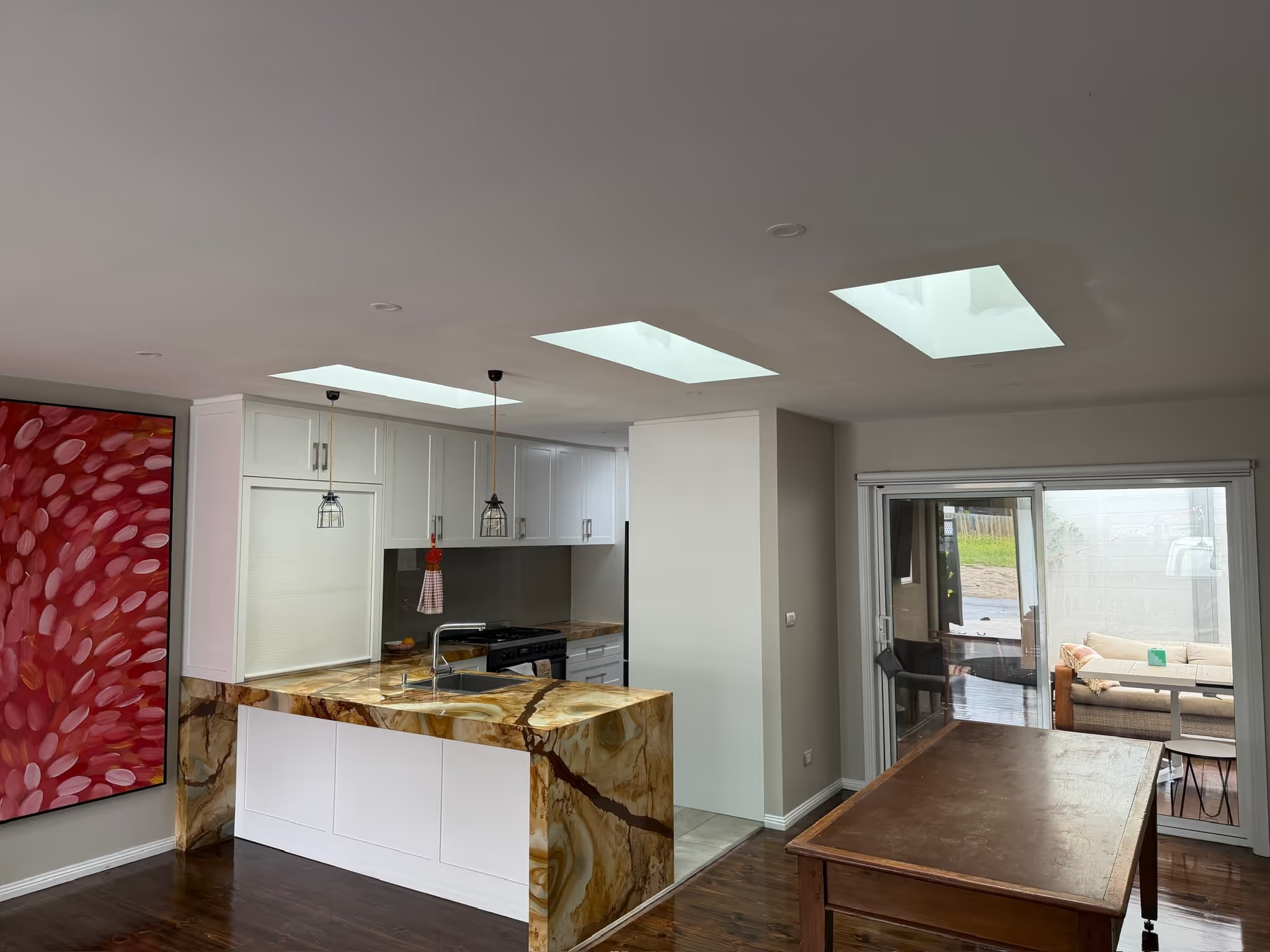
A well-placed skylight can reduce your reliance on artificial daytime lighting by up to 60%. In the context of 2026 energy prices, this is a massive win for the hip-pocket. By harnessing the "sunburnt country's" most abundant resource, you’re effectively turning off the LEDs from sunrise to sunset. To maximise this, many Aussies are opting for high-performance double glazing with Low-E coatings, which ensures you get the light without the unwanted heat transfer that used to plague older-style "bubble" skylights.
Property Value: The "Lustre" Factor
The Australian real estate market in 2026 continues to reward "bright and airy" homes. Research indicates that high-quality natural light upgrades can boost a property's resale value by 5–10%. In a competitive market, a dark, dingy kitchen or hallway is a deal-breaker. A premium skylight (especially brands like Velux or Illume) isn't just a window; it's an architectural feature that makes a space feel larger and more premium, often becoming the "hero" feature in real estate photography.
Passive Cooling: The "Chimney Effect"
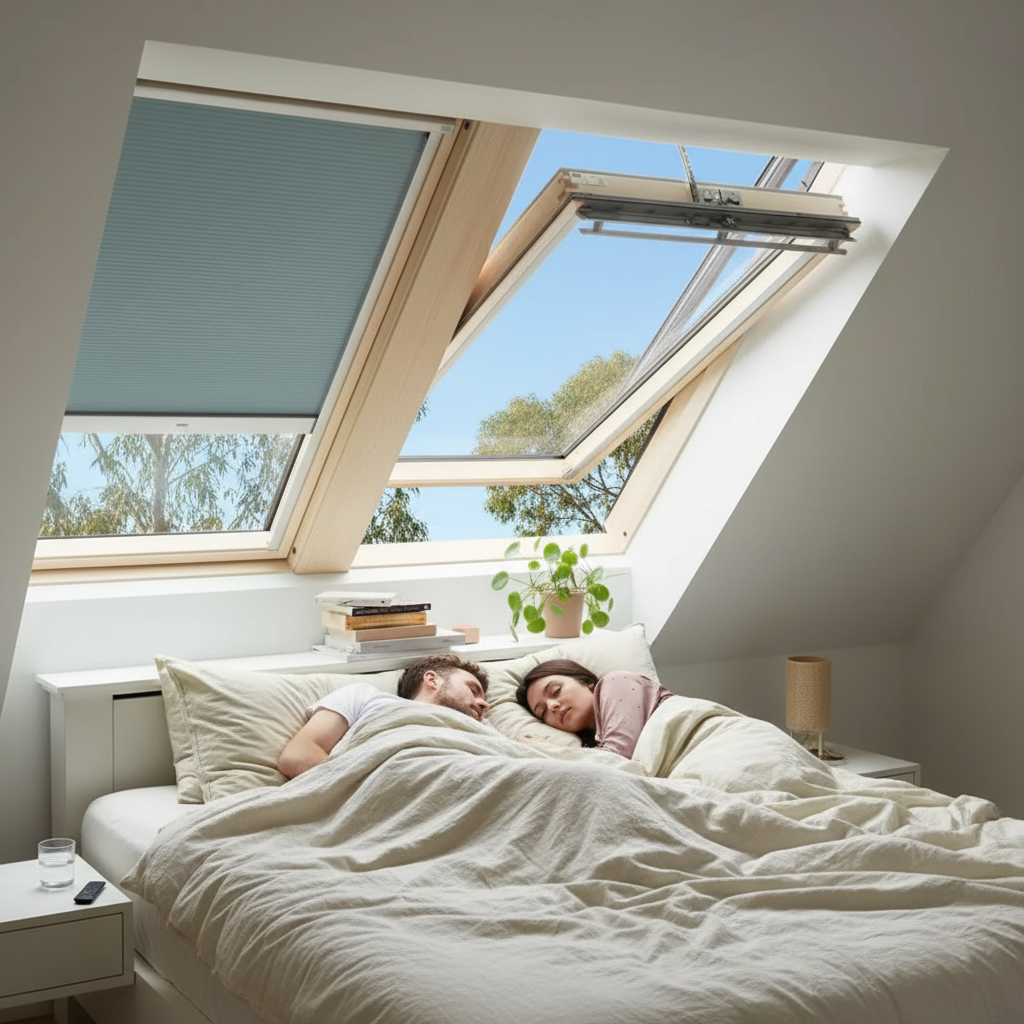
During a scorching 40°C Australian summer, heat naturally rises and gets trapped against your ceiling. Ventilated skylights solve this by creating a "chimney effect." By opening the unit (manually or via a solar-powered sensor), you allow the hot, stale air to escape through the roof, drawing cooler air in from your windows below. This natural airflow significantly reduces the "heavy" feeling of a hot house and cuts down your reliance on the air-con, which is better for both your wallet and the environment.
Vegetarian Gardening: The Indoor "Veggie Patch"
For vegetarian households, a skylight is a game-changer for food security and freshness. Most kitchen herbs think basil, mint, coriander, and even dwarf kale require 6+ hours of direct sunlight to thrive. A skylight transforms your kitchen bench into a year-round "micro-farm." In 2026, with the move toward wellness-focused interiors, having a thriving, sun-drenched herb garden inside your home isn't just practical; it’s a major aesthetic vibe.
Comparison of Skylight Types and Costs (2026)
Selecting the right unit depends on your specific goals whether that is simple illumination, architectural impact, or improved airflow.

Material Considerations: Colorbond vs. Tile
Colorbond and Zinc (Metal) Roofs
In the Australian context, Colorbond or corrugated metal roofs are the gold standard for a streamlined skylight installation. Because metal sheets are uniform and lightweight, a "chippie" or skylight specialist can precisely cut the opening with minimal fuss.
The flashing kits for these systems are engineered to integrate seamlessly with the ribs of the steel, creating a mechanical bond that is vital for surviving the "East Coast Lows" or tropical downpours common in Queensland. Since there's no need to grind down bulky tiles, the labour is much faster, with standard installation usually costing between AU$400 and AU$1,000. It’s the most "bang-for-your-buck" option for modern Australian renovations.
Concrete, Terracotta, and Slate Roofs
In contrast, installations on tiled roofs are significantly more labour-intensive. Whether you have classic red Terracotta or modern Concrete tiles, they are bulky and interlocking; they cannot simply be "cut around." An installer must carefully remove the surrounding tiles, modify the underlying batten structure to create a solid frame, and often reinforce the rafters to carry the weight of both the glass and the pressure of the tiles pressing against the new frame.
The waterproofing process here is a different beast entirely. It requires specialized "soaker" flashings and, increasingly in 2026, lead-free pleated aprons (like Wakaflex) to comply with modern rainwater harvesting standards. These must be hand-moulded to the deep contours of the tile profile to ensure that water doesn't bypass the tiles and flood your roof cavity. Because of the extra carpentry, the precision required to grind tiles to a perfect fit, and the cost of premium lead-free materials, homeowners should expect a premium of AU$200 – AU$500 for tiled roof installations compared to metal.
Natural Slate: The Heritage Challenge
While rarer in Australia than in the UK, natural slate is still found in heritage pockets of Melbourne and Sydney. Slate is notoriously "touchy"—it's brittle and requires a delicate touch to trim without shattering. Installing a skylight here is a slow, meticulous process using specific low-profile flashing kits to keep the unit flush with the roofline. Given the fragility and the specialist skill required, slate installations sit at the top end of the price bracket, often doubling the labour time of a standard tile install.
The Impact on Long-Term Maintenance
Colorbond: Managing the "Metal Movement"
In Australia, Colorbond (steel) roofs are famous for their durability, but they are also highly dynamic. Steel expands and contracts significantly between a frosty 2°C winter morning and a blistering 70°C roof-surface temperature in mid-January.
This constant movement puts immense stress on the seals and flashing of your skylight. In 2026, it is vital to use high-performance, UV-stabilised polymer sealants that remain flexible over decades. If a cheap, rigid silicone is used, it will eventually pull away from the metal, leading to those annoying "mystery leaks" during the first heavy autumn rain. A quick check of your fasteners and seals every two years is a "Helpful Expert" tip to keep everything watertight.
Tile Roofs: Sound Dampening and Thermal Mass
Tiled roofs (concrete or terracotta) offer a distinct advantage in the Australian suburbs: acoustic insulation. If you've ever been in a house with a metal roof during a heavy Queensland hailstorm, you know it can be deafening. Tiles naturally dampen the sound of wind and rain.
However, tiles are prone to "shifting" over time, especially after extreme weather events. While the glass of your skylight might be fine, the surrounding tiles can crack or slip, exposing the flashing. Furthermore, in 2026, homeowners in "Bushfire Attack Level" (BAL) zones must ensure that leaf debris doesn't accumulate in the "valleys" created by the tile-to-skylight junction, as dry leaves are a major ignition risk during fire season.
The Pitch Perfect Rule (AS 4285)
Regardless of whether you have tiles or metal, the roof pitch is the ultimate law. In Australia, the standard for skylights (AS 4285) is strict. A skylight kit designed for a "standard" 15° to 60° pitch uses gravity to shed water. If you try to force a standard unit onto a "low-pitch" or flat roof without a custom pitched kerb (a raised timber box), water will pool against the seals. In the Australian sun, standing water creates a "magnifying glass" effect that degrades seals 3x faster and eventually forces its way into your ceiling.
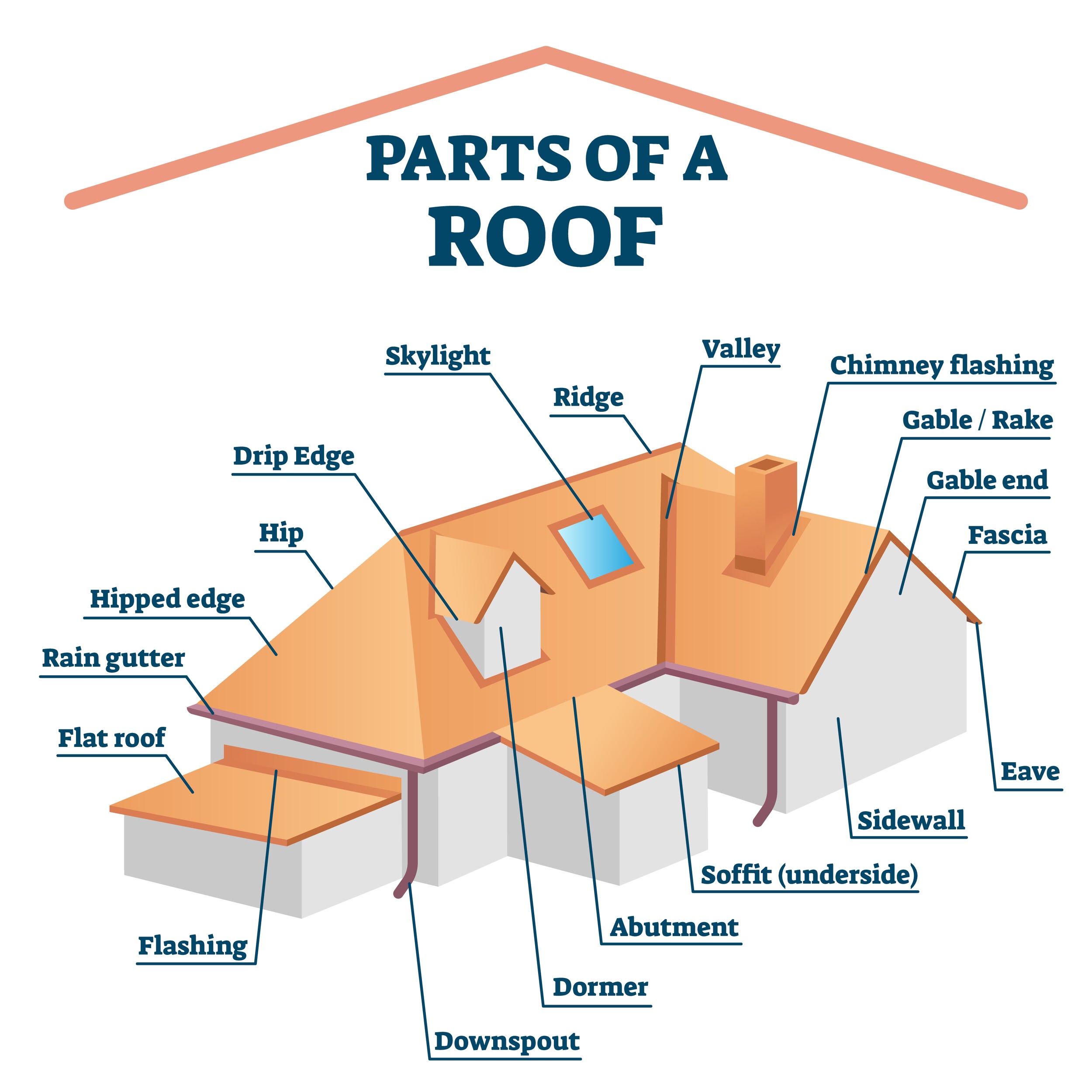
the Australian market presents a clear divide between "weekend projects" and serious structural renovations. While the "DIY spirit" is alive and well, Australian Standards (AS 4285 and AS 1288) have become more stringent to ensure homes can withstand our increasingly volatile storm seasons and intense UV levels.
Professional Installation vs. DIY
While a DIY approach is tempting to save on labour, professional installation is the industry standard for a reason. In Australia, compliance with AS 4285 (for skylight performance) and the National Construction Code (NCC) is a legal requirement. These standards ensure your skylight can handle high wind loads essential for "cyclone-rated" regions—and manage the intense heat transfer that can lead to condensation and structural damage.
Furthermore, since skylights penetrate your home’s primary defence against the elements, waterproofing is your biggest risk. In the Australian context, even a tiny gap in the flashing can lead to structural rot in your roof timbers or, worse, become an entry point for embers in Bushfire Attack Level (BAL) rated areas. Most reputable manufacturers, like Velux or Solatube, are so wary of poor installation that they will void your warranty entirely if the unit isn't fitted by a certified professional. For a major structural change, hiring a "chippie" or a specialized skylight installer is the only way to protect your home's integrity.
Installation Complexity by Tier
When comparing the physical labour for these tiers in the Australian market, the difficulty scales based on the required structural work and the "tradie" hours involved:
Budget (Tubular)
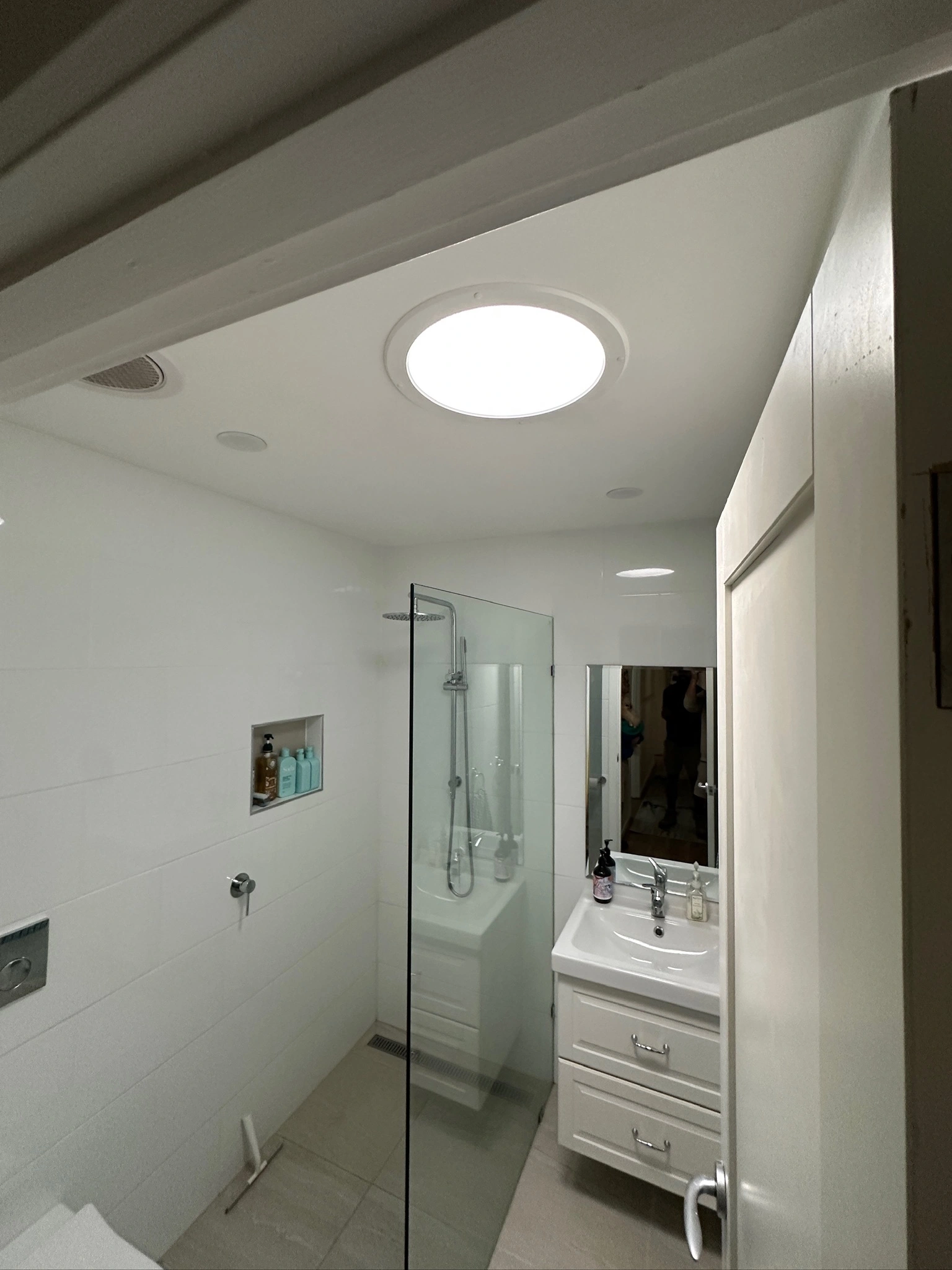
This is the least invasive option and the most viable DIY project for a handy homeowner. It requires only a small circular cut that rarely interferes with the home's primary structure. Because it uses a flexible, highly reflective tube to snake around roof obstructions (like water tanks or AC ducting), it can often be installed in just a few hours without cutting major rafters or ceiling joists. It is essentially a "plug-and-play" solution for dark hallways or pantries.
Standard (Fixed)
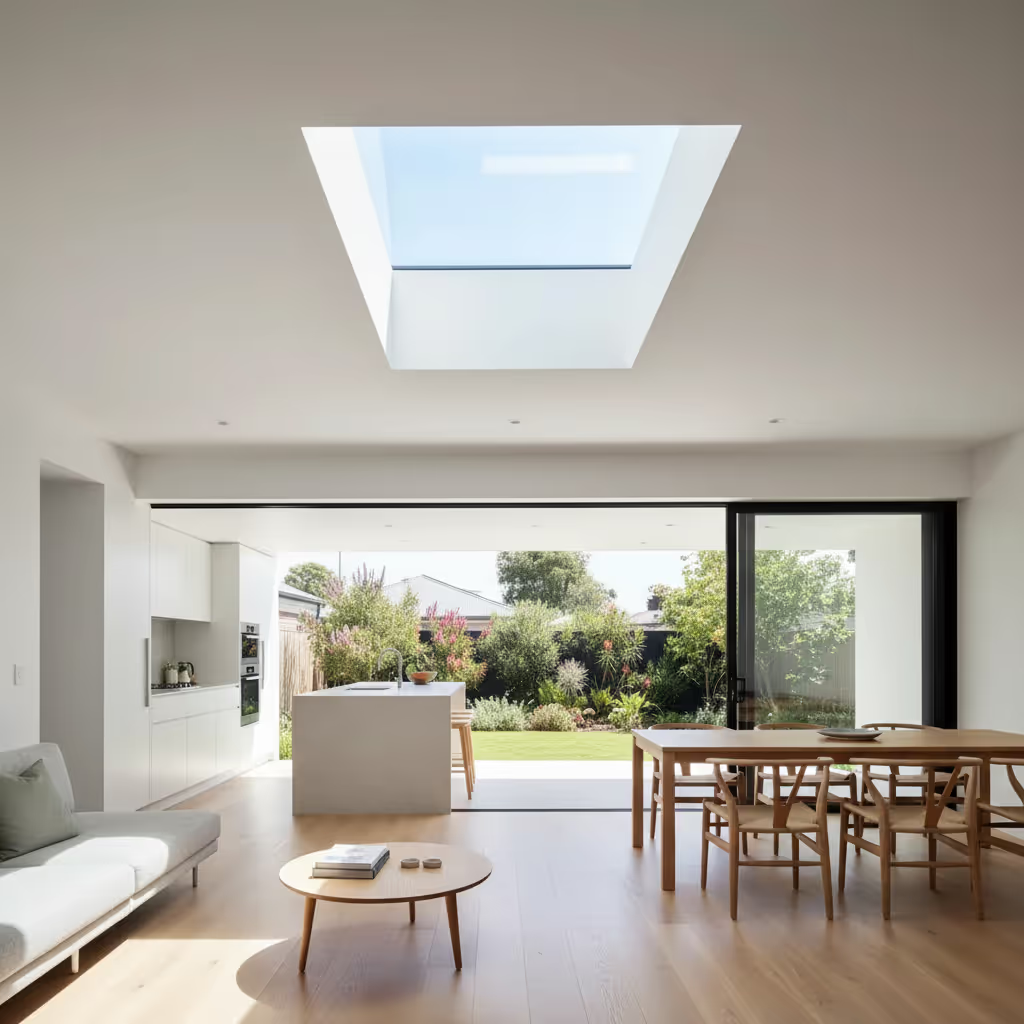
This moves into "moderate" territory. It requires a large rectangular opening in the roof and the construction of a light shaft (a timber-framed box) to bridge the gap between the roof and your ceiling. This adds several hours of carpentry, plastering, and painting work. In 2026, most of your labour cost here is concentrated in making that shaft look seamless and ensuring it’s properly insulated against the Aussie sun.
Premium (Ventilated)
This is the most complex tier. On top of the carpentry required for the light shaft, you must manage mechanical components and sensors. If you opt for an electric version, you will also need to factor in the cost of a licensed electrician (roughly AU$90–$130/hour) to run power to the unit. However, many Australian homeowners now opt for solar-powered versions; these units are self-contained and simplify the process significantly by removing the need for internal wiring, which can save you a few hundred dollars in electrical fees.
Installation Options for Your Australian Home
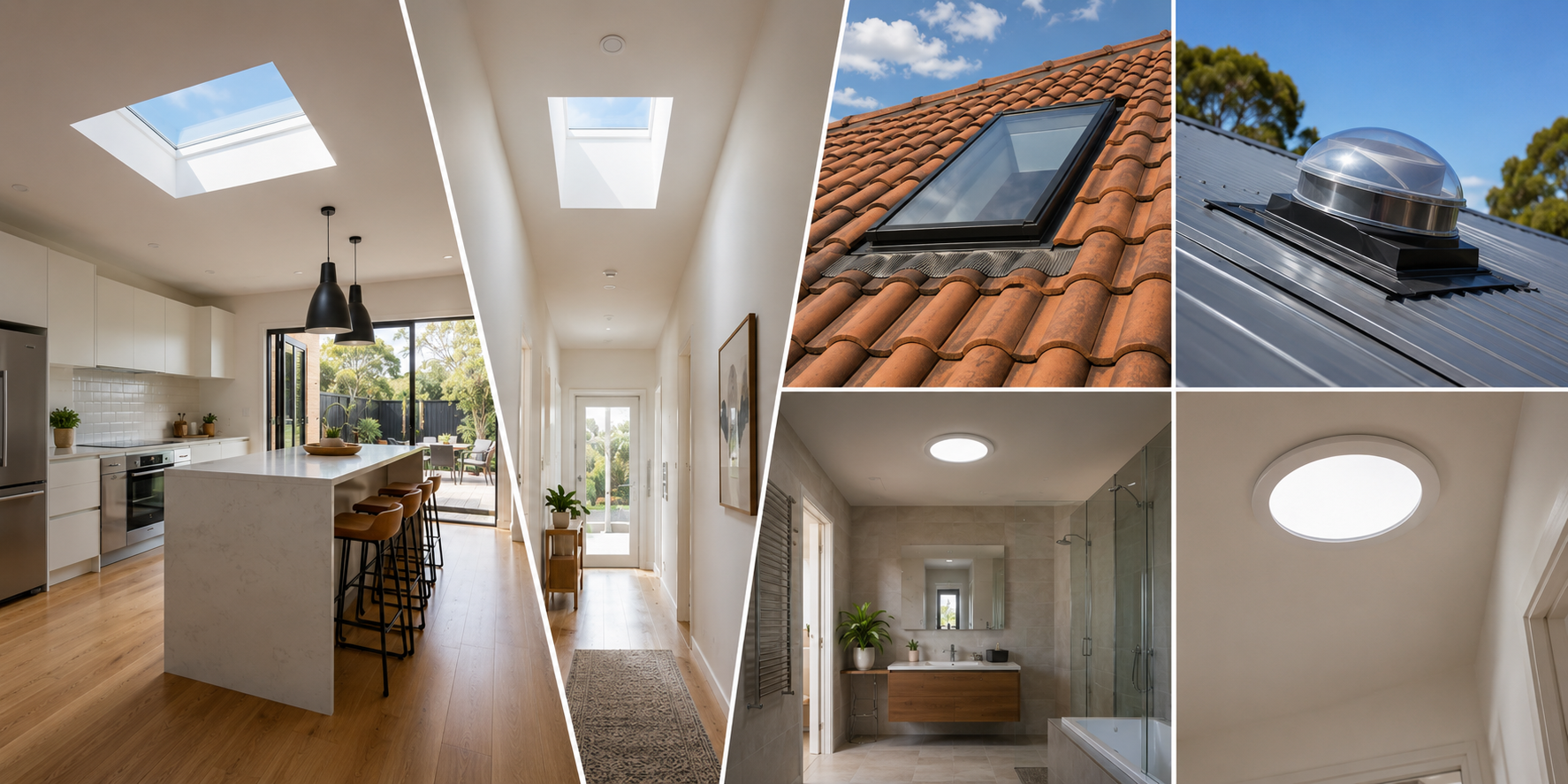
The Budget (Tubular) Option
Commonly known as "Solar Tubes" (like the Solatube range), this is the most straightforward project and is often suitable for those with basic DIY skills. It uses a highly reflective, flexible tube to "pipe" sunlight from your roof into a room below. Because the tube can snake around obstructions in your roof cavity—such as water tanks, air-conditioning ducts, or timber supports—you don't need a clear vertical path. It requires the least amount of cutting and can usually be fitted in just a few hours.
The Standard (Fixed) Option
This model (such as the Velux Fixed range) provides a traditional window view but involves a more significant amount of work. In the Australian context, where we often have deep roof cavities, a "light shaft" must be constructed. This is a structural box made of timber and lined with plasterboard that connects the roof opening to your ceiling. Building, insulating, and painting this shaft is where the majority of the labour costs are focused, as it requires careful carpentry and "skim" plastering to ensure it looks like a seamless part of your home.
The Premium (Ventilated) Option
These units offer the added benefit of fresh air but are the most technical to install. They require the same structural shaft as a fixed model, plus the setup of opening mechanisms. While electric versions require a licensed electrician (adding to the cost), many Australian homeowners in 2026 now opt for solar-powered versions. These use a small built-in panel to provide power, removing the need for internal wiring and making the setup much simpler. They often come with rain sensors that automatically close the unit during a sudden afternoon storm.
Final Verdict: Choosing the Right Solution
Investing in a skylight is one of the most transformative decisions you can make for your home’s atmosphere and energy profile. In the Australian climate, the shift from a dim, enclosed room to a bright, sun-drenched space provides significant lifestyle rewards and massive savings on artificial lighting.
When making your final decision, remember these three core pillars:
- Prioritise Performance: Don't cut corners on thermal specs. In Australia, ensure your unit has a low Solar Heat Gain Coefficient (SHGC) and is AS 1288 compliant to keep your home cool and safe.
- Assess Your Structure: Be realistic about the labour. If you have a tiled roof or a deep cavity, factor in the extra "tradie" time for a professional light shaft and specialist flashing.
- Safety and Warranty: While a tubular kit is a great weekend project, larger structural installs should be handled by certified professionals. This protects your home’s structural integrity and ensures you don't void your manufacturer’s warranty.
Whether you opt for a simple sun tunnel to brighten a pantry or a premium solar-powered unit to create a "chimney effect" for passive cooling, natural light is an upgrade that pays dividends in daily comfort and future property value.
Read next
More from our guides

.png)
.png)