Summer-Proofing Your Melbourne Home: How to Stop the Greenhouse Effect


Living in Melbourne means bracing for those notorious "four seasons in one day", but nothing tests a home quite like a classic Victorian heatwave. When the temperature climbs toward 40°C, many local homes, especially those with older timber frames or single-pane windows, quickly turn into greenhouses. This happens because standard glass is essentially an open door for infrared heat, trapping high temperatures inside long after the cool change arrives. To keep your home comfortable without sending your energy bills skyrocketing, you need to address how heat enters through your windows. Here are two of the most effective ways to summer-proof your space.
Older homes often feature single-pane glass or acrylic windows. These materials act as poor barriers against infrared radiation. When sunlight hits these panes, the heat passes directly into your living space, warming up floors and furniture, which then radiate that heat back into the room.
To restore comfort to your home during the peak of the Australian summer, you must address the "greenhouse effect" at the source. This occurs when solar energy penetrates your windows and becomes trapped as thermal radiation. You can effectively combat this by treating the glass itself or by installing high-performance internal barriers.
1. Low-E Double Glazing
Upgrading to Low-E (Low Emissivity) double glazing is arguably the most effective long-term investment you can make for a cooler home. Rather than just being a passive piece of glass, this technology acts like an active thermal filter for your living space. The secret lies in a microscopic, transparent metallic coating thinner than a human hair that is specifically engineered to tell the difference between various wavelengths of light.
During those gruelling summer months, this coating works like a heat mirror, reflecting long-wave infrared energy back toward the sun before it ever has a chance to cross your threshold. The beauty of this solution is that you don’t have to sacrifice your view or natural brightness; you still get all that lovely sunlight without the intense, scorching solar gain usually found with older, single-pane windows. Because these are double-glazed units, the pocket of argon gas or vacuum sealed between the panes adds a heavy-duty layer of insulation, ensuring the interior glass stays remarkably cool to the touch even when the sun is at its peak.
The most effective long-term solution is upgrading to Low-E (Low Emissivity) double glazing. This technology transforms your windows from passive openings into active thermal filters.
- The Science: Low-E glass features a microscopic, transparent metallic coating thinner than a human hair. This coating is specifically engineered to distinguish between different wavelengths of light.
- Summer Performance: During hot months, the coating reflects long-wave infrared energy (heat) back toward the sun before it can enter your living space.
- The Result: You maintain high levels of natural visible light and clear views, but without the intense solar gain associated with traditional single-pane glass. Because it is a double-glazed unit, the vacuum or argon gas between the two panes provides an additional layer of insulation, keeping the interior glass surface cool to the touch.
2. Honeycomb Blinds
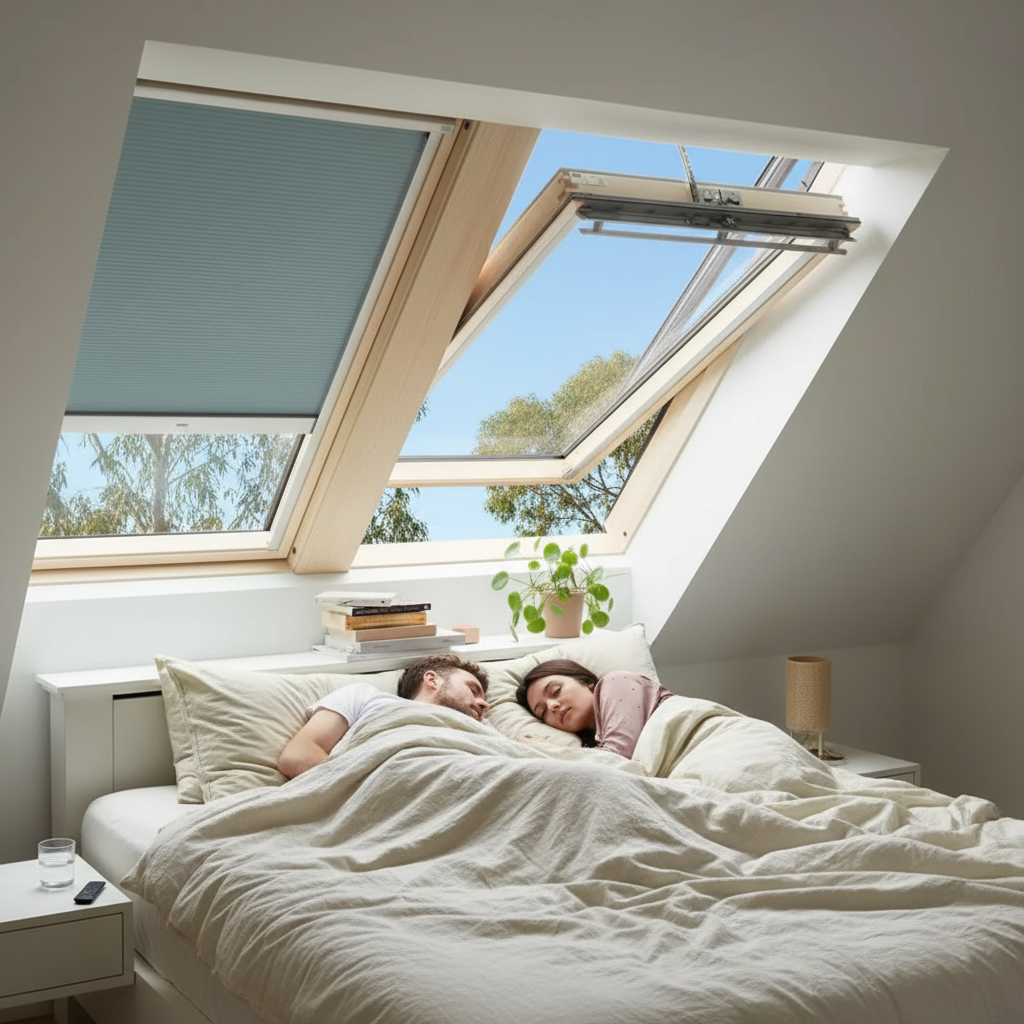
If replacing your windows isn't an option right now, honeycomb (cellular) blinds are easily the most effective internal solution you can choose. They aren't just there to look good; they are actually sophisticated thermal tools designed to manage temperature. Unlike traditional flat blinds, their unique "cell" structure creates pockets of trapped air. Since air is a naturally poor conductor of heat, these cells act as a high-performance buffer between the scorching window pane and the rest of your room.
When they are properly fitted, these blinds can block up to 60% of incoming solar heat, which makes a massive difference in how hard your air conditioning has to work. To make things even easier, many modern versions come with solar-powered automation. These smart sensors can tell when the sun is at its peak and automatically lower the blinds for you. This proactive approach is a game-changer because it stops heat from soaking into your floors and furniture while you're out, ensuring you walk back into a much more comfortable, cooler environment at the end of the day.
If a full window replacement is not currently feasible, honeycomb (cellular) blinds represent the most powerful internal alternative. These are not merely decorative; they are engineered thermal tools.
- The Thermal Barrier: Unlike flat blinds, the unique "cell" or "honeycomb" shape creates distinct pockets of stagnant air. Air is a poor conductor of heat, so these pockets act as a high-performance insulator between the hot window pane and your room.
- Exceptional Efficiency: A high-quality, properly fitted honeycomb blind can block up to 60% of incoming solar heat. This significantly reduces the load on your air conditioning system.
- Solar-Powered Automation: Modern versions can be equipped with solar sensors. These allow the blinds to automatically deploy during the hottest hours of the day, even when you are not home. This proactive approach prevents heat from building up in your furniture and floors, ensuring a cooler environment when you return.
When deciding how to tackle the summer heat, it helps to view Low-E double glazing and honeycomb blinds not as competitors but as two different philosophies of temperature control. One works by stopping heat at the threshold, while the other creates a high-performance buffer zone. Choosing between them or deciding to use both usually comes down to whether you are looking for a permanent structural upgrade or a highly effective, non-invasive fix.

The Mechanism of Action
The most significant difference lies in their primary method of cooling. Low-E double glazing is a high-tech solution that relies on reflection. By using a microscopic metallic coating, it actually bounces heat away from your home before it can penetrate the glass. In contrast, honeycomb blinds focus on insulation. Their clever cellular design creates pockets of "dead air" that act as a barrier, preventing the heat that has already hit your window from radiating into your living space.
Light, View, and Aesthetics
For many homeowners, the deciding factor is how the solution affects the "feel" of the room. Double glazing is essentially invisible; it allows you to maintain perfectly clear views and floods your home with natural, crisp light without the accompanying sizzle. Honeycomb blinds, being an internal window treatment, will inevitably change your light quality. Depending on the fabric you choose, they will either gently diffuse the sun into a soft glow or block it out entirely, which is a fantastic side benefit for media rooms or bedrooms where light control is just as important as temperature.
Installation and Impact
From a practical standpoint, the barrier to entry varies wildly. Double glazing is a permanent structural change that involves replacing your window units. It’s a significant investment, but it offers "very high" heat reduction and adds long-term value to the property. On the other hand, honeycomb blinds are non-invasive and easy to install on existing frames. They are a "surface mount" solution that can block up to 60% of incoming heat, making them the perfect choice for renters or those who need immediate, cost-effective relief from the sun.
Ultimately, while double glazing offers the most robust protection, the versatility and automation of honeycomb blinds provide a flexible way to manage your home’s climate on your own terms.
Read next
More from our guides

.png)
.png)