Solar Skylight vs Traditional Skylight : Which Wins in Melbourne?


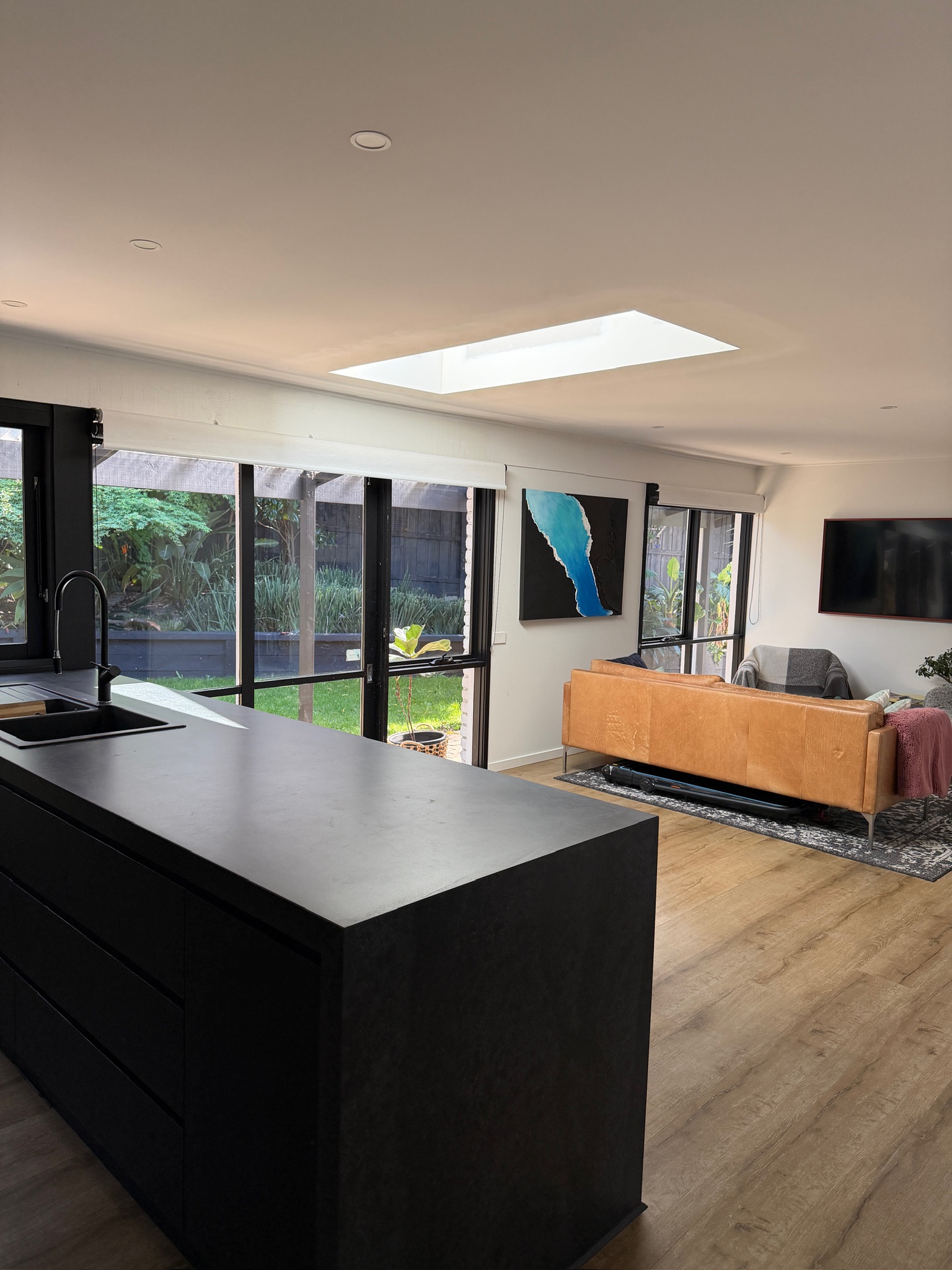
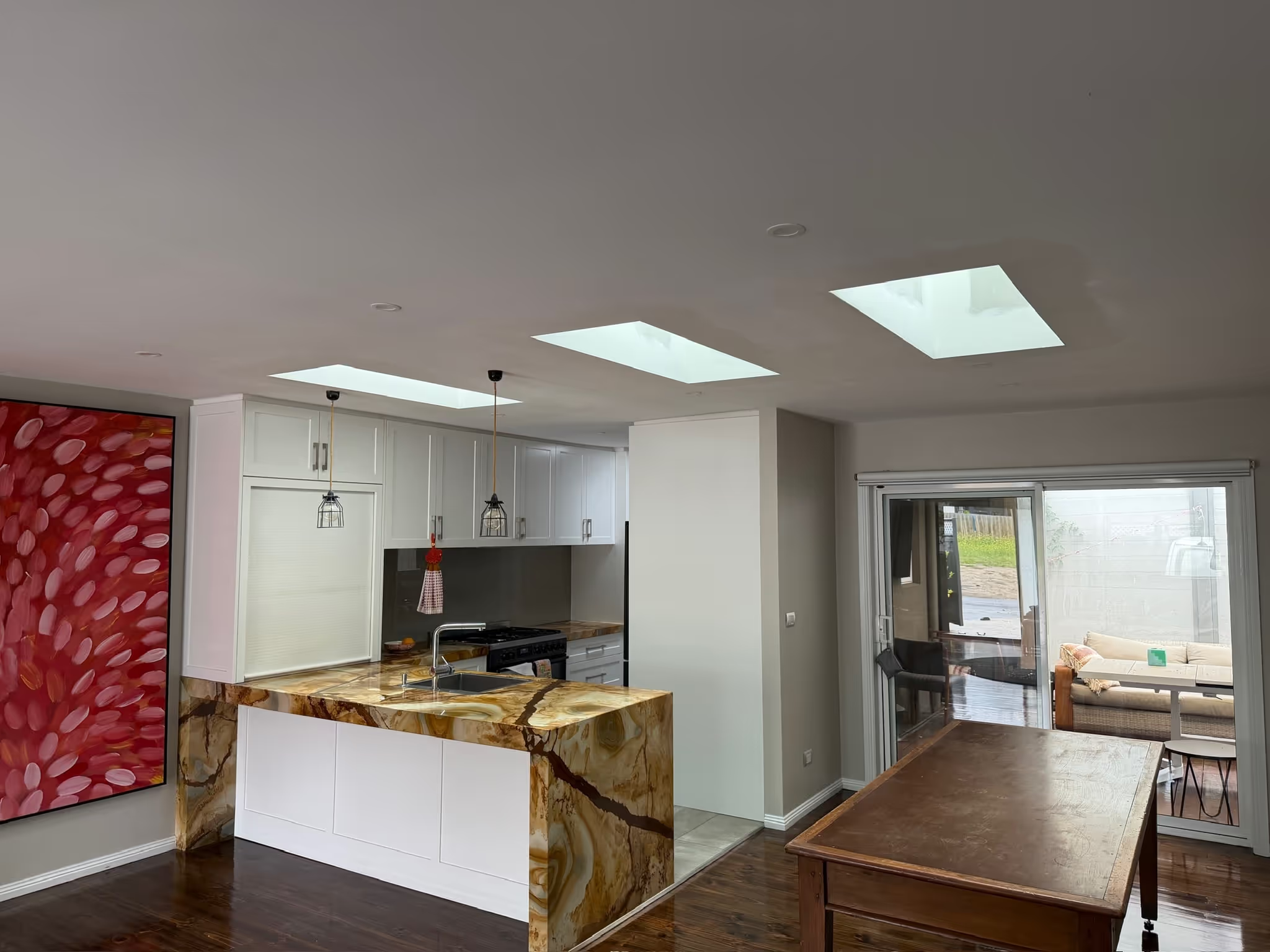
If you've been researching skylights for your Melbourne home, you've probably noticed a growing buzz around solar skylights particularly the Illume™ system. They promise all the natural light, with none of the roof cutting, leak risks, or structural headaches.
But are they really better? Or does the tried-and-true traditional skylight still reign? We break it down suburb by suburb, room by room, and dollar by dollar.
Why Solar Skylights Are Surging in Melbourne's East & Bayside
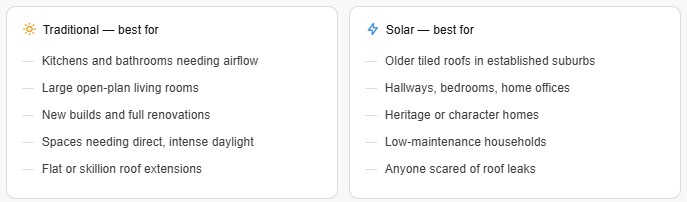
Melbourne's Eastern, South-Eastern, and Bayside suburbs share a common problem: a large proportion of established homes with tiled, pitched roofs built in the 1960s–1990s. These roofs aren't always suited to traditional skylights without significant structural work.

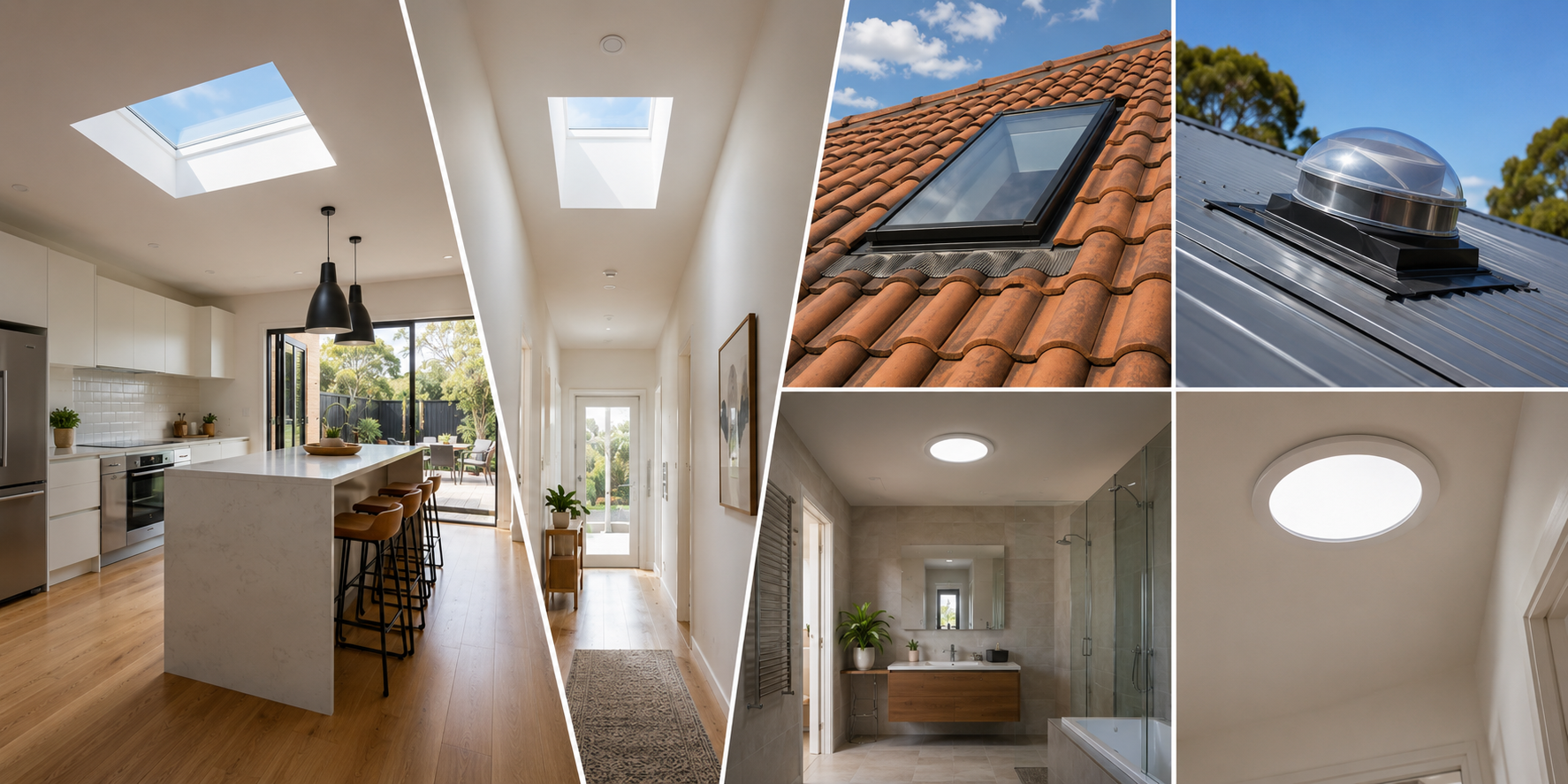
Head-to-head comparison
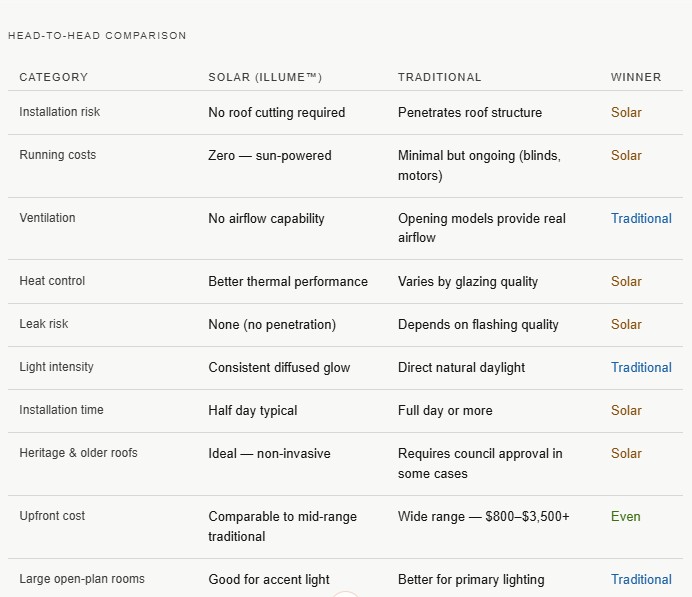
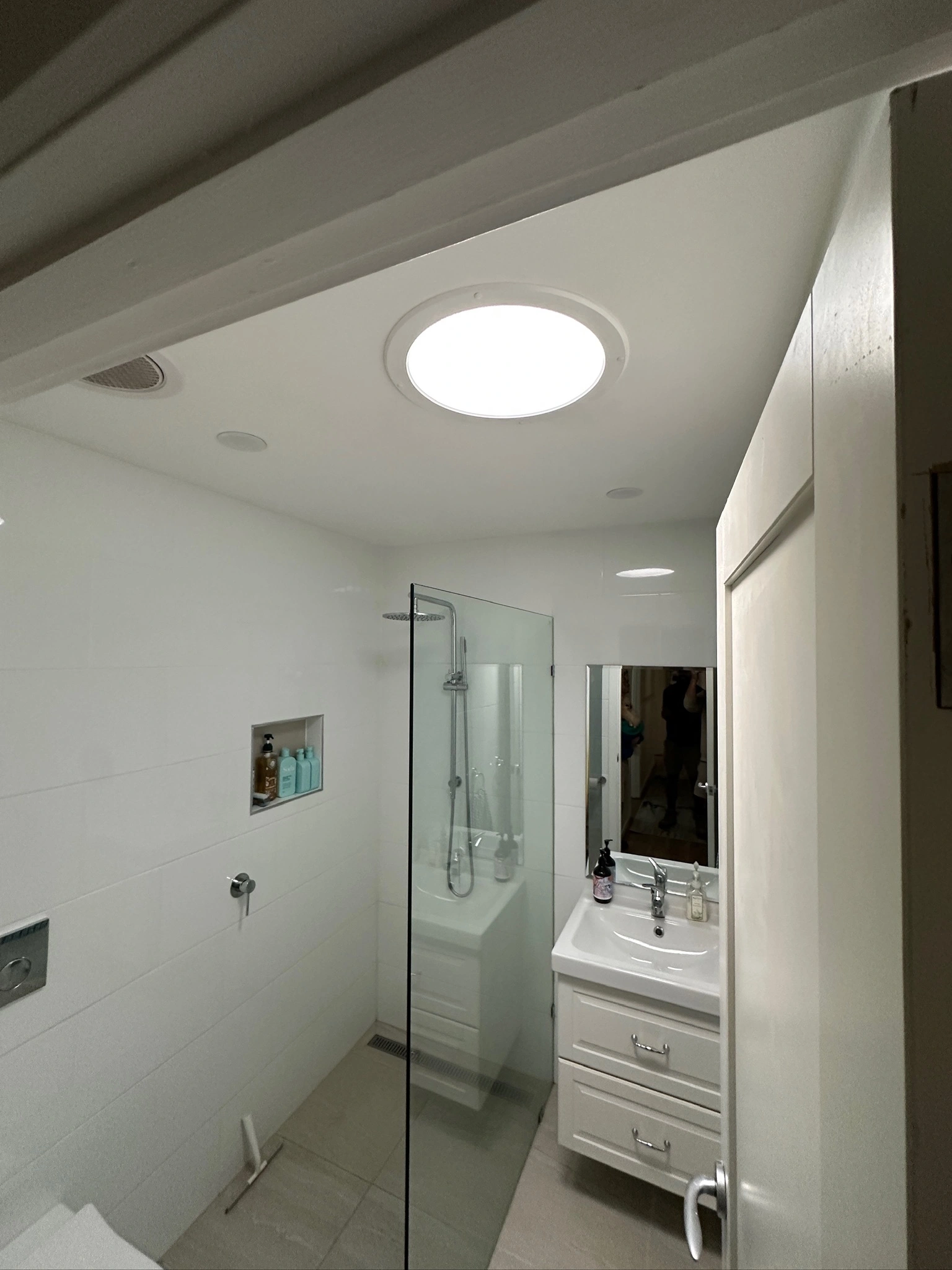
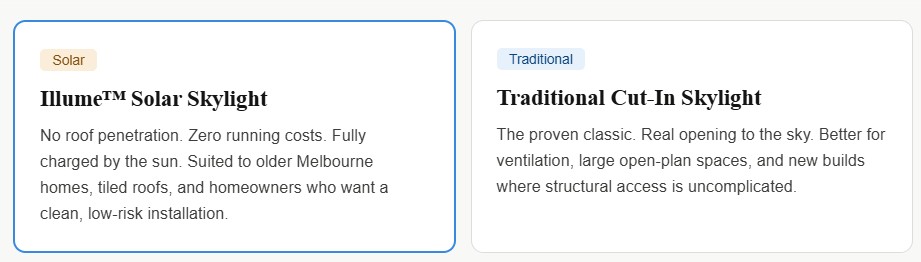
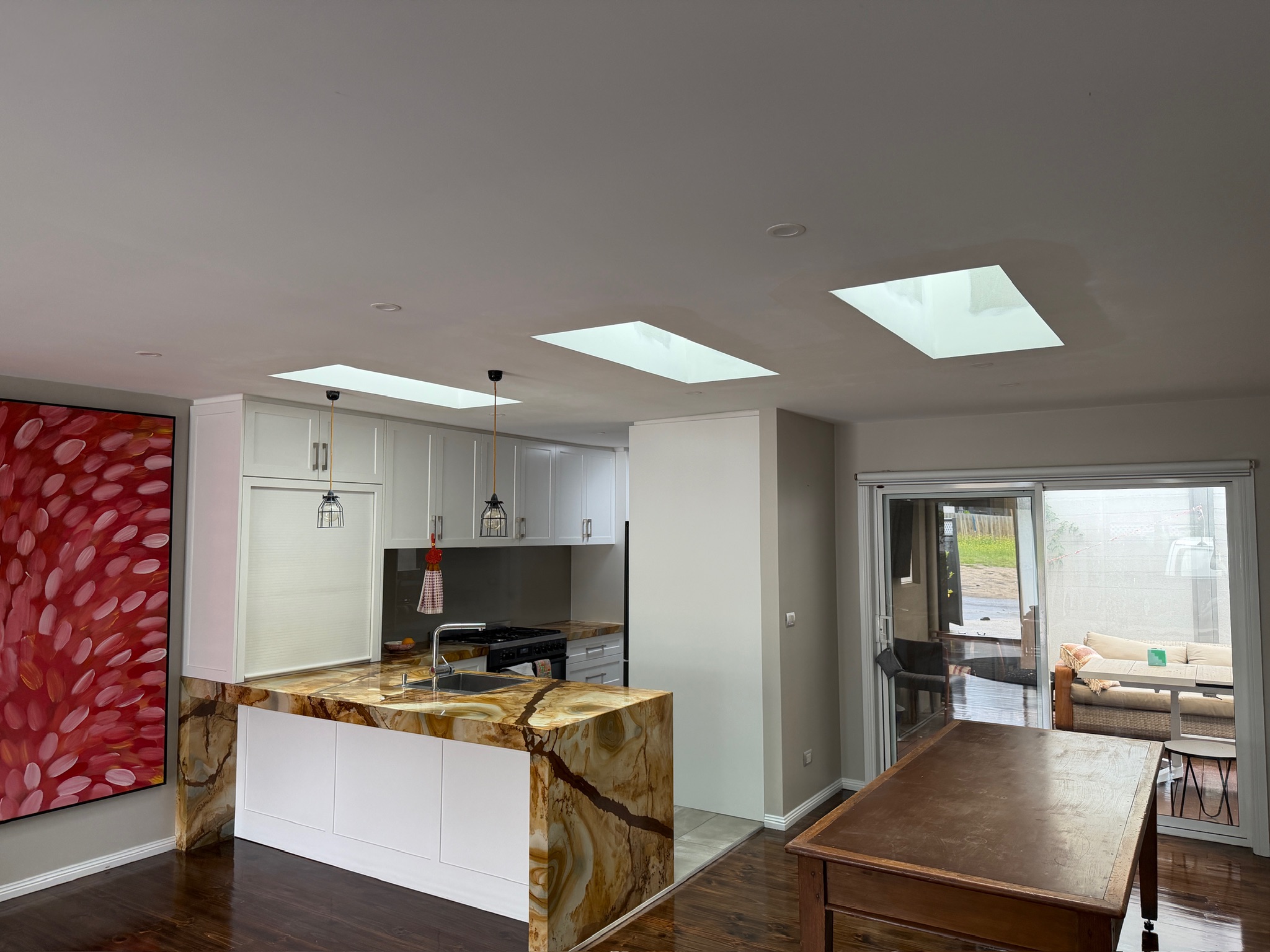
In these suburbs, solar skylights like Illume™ remove the biggest homeowner hesitations no roof cutting, no flashing failure, no council drama. A licensed electrician installs the unit in hours, and your ceiling glows with diffused natural-feeling light the same afternoon.
Melbourne stats: Over 60% of homes in Melbourne's middle-ring suburbs have tiled roofs over 25 years old precisely the scenario where solar skylights outperform traditional installations on risk-adjusted value.
The Case for Traditional Skylights (It's Not Dead)
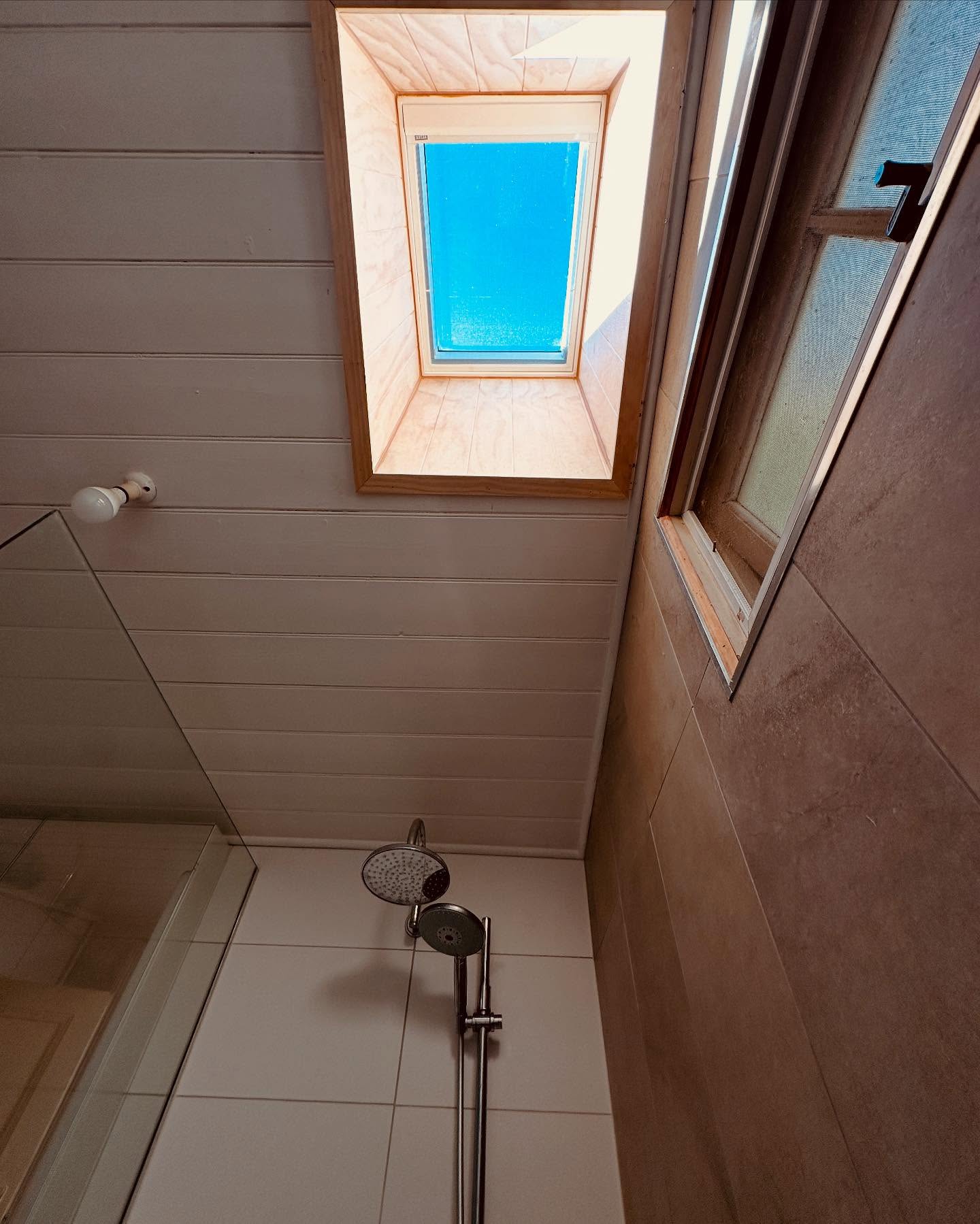
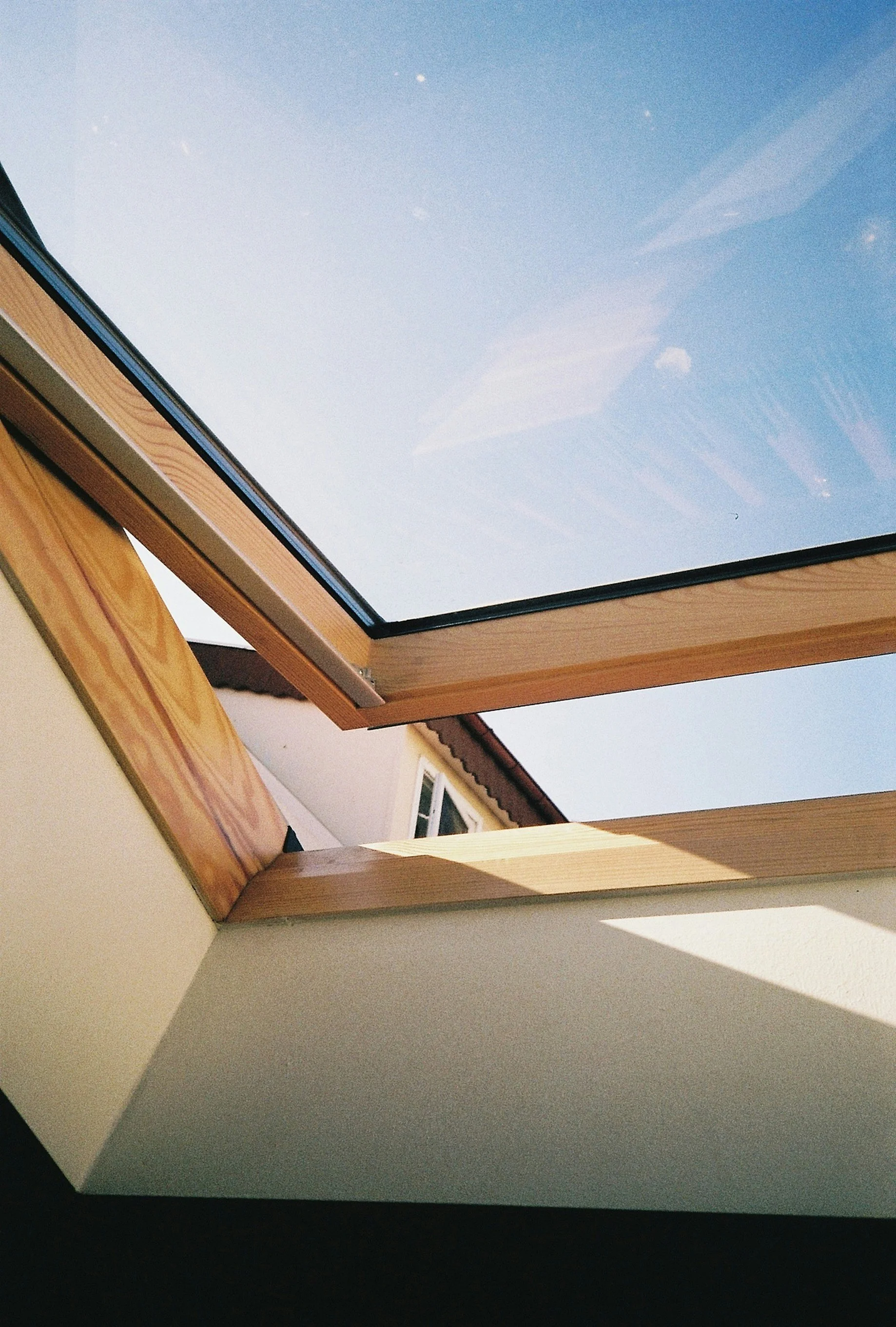
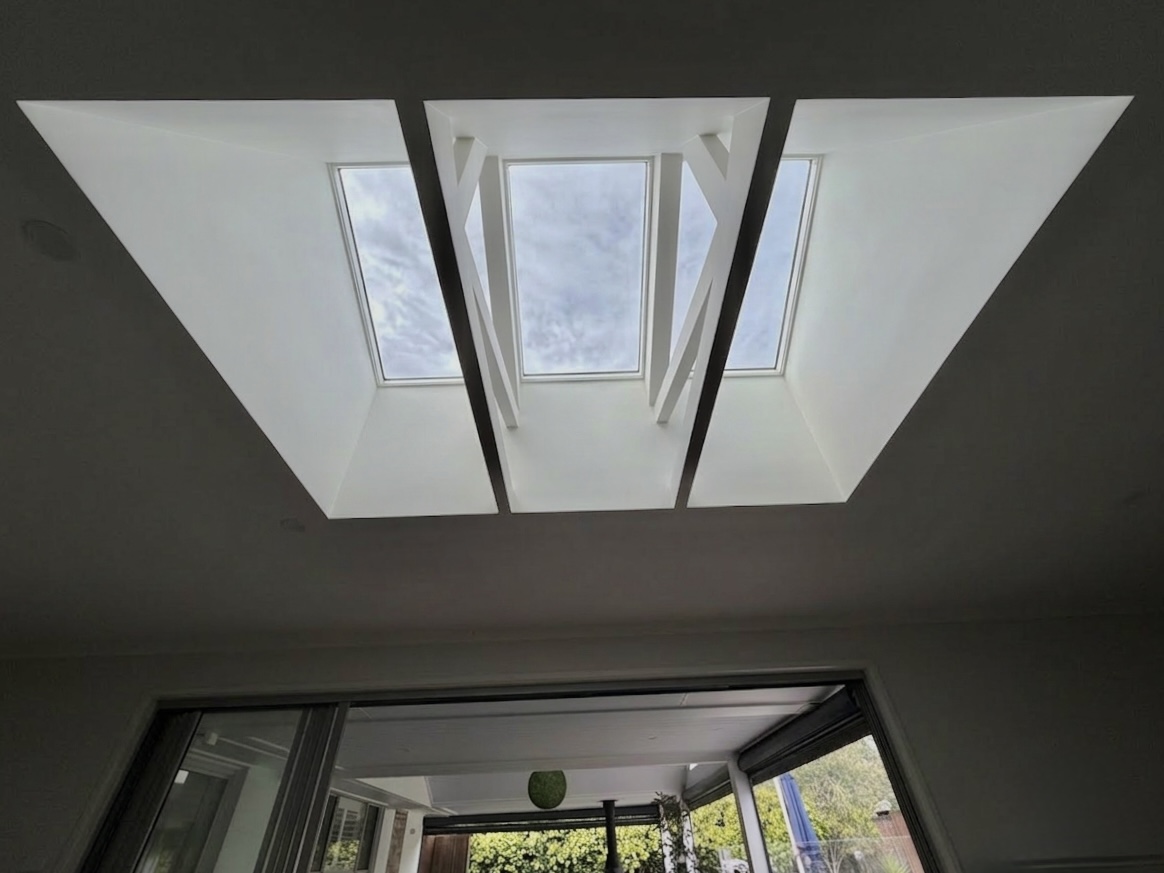
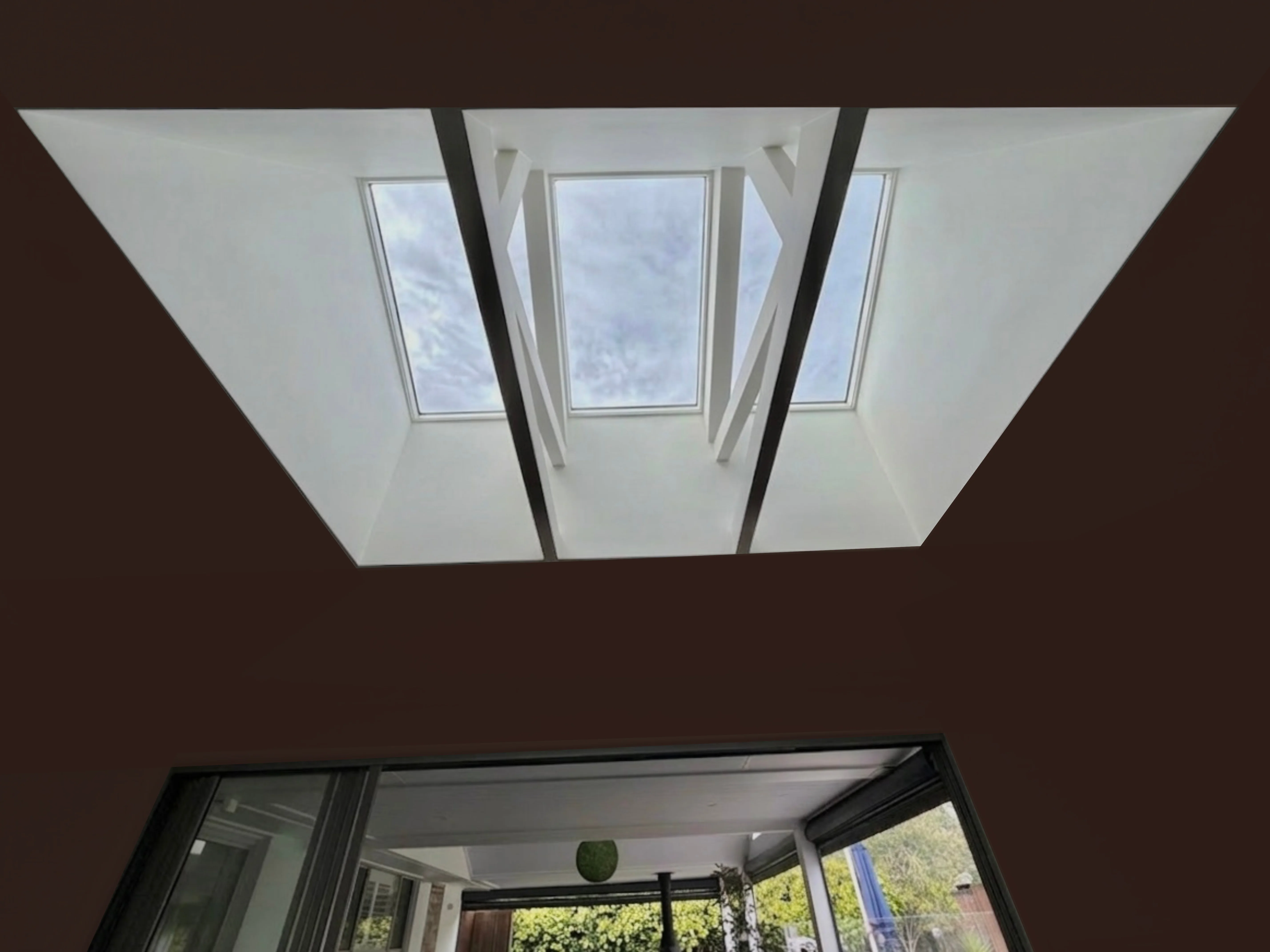
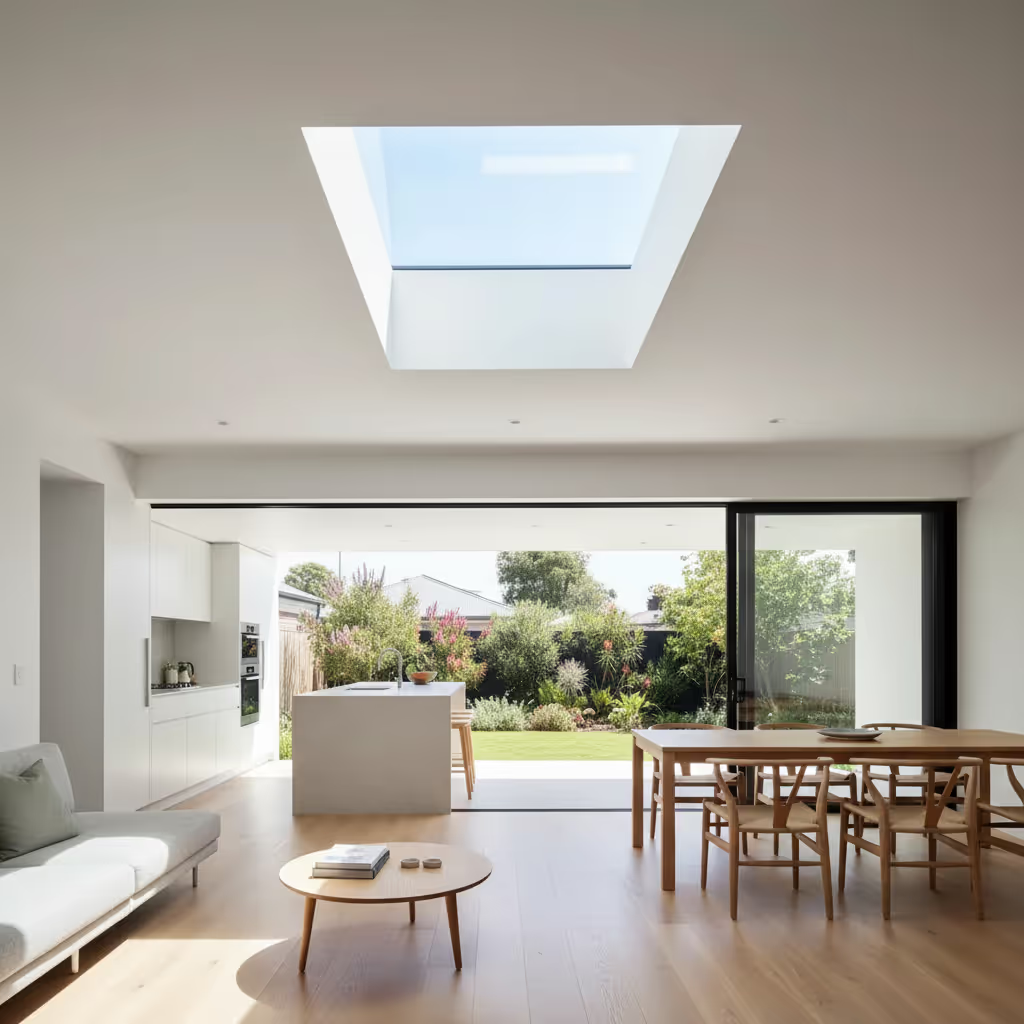
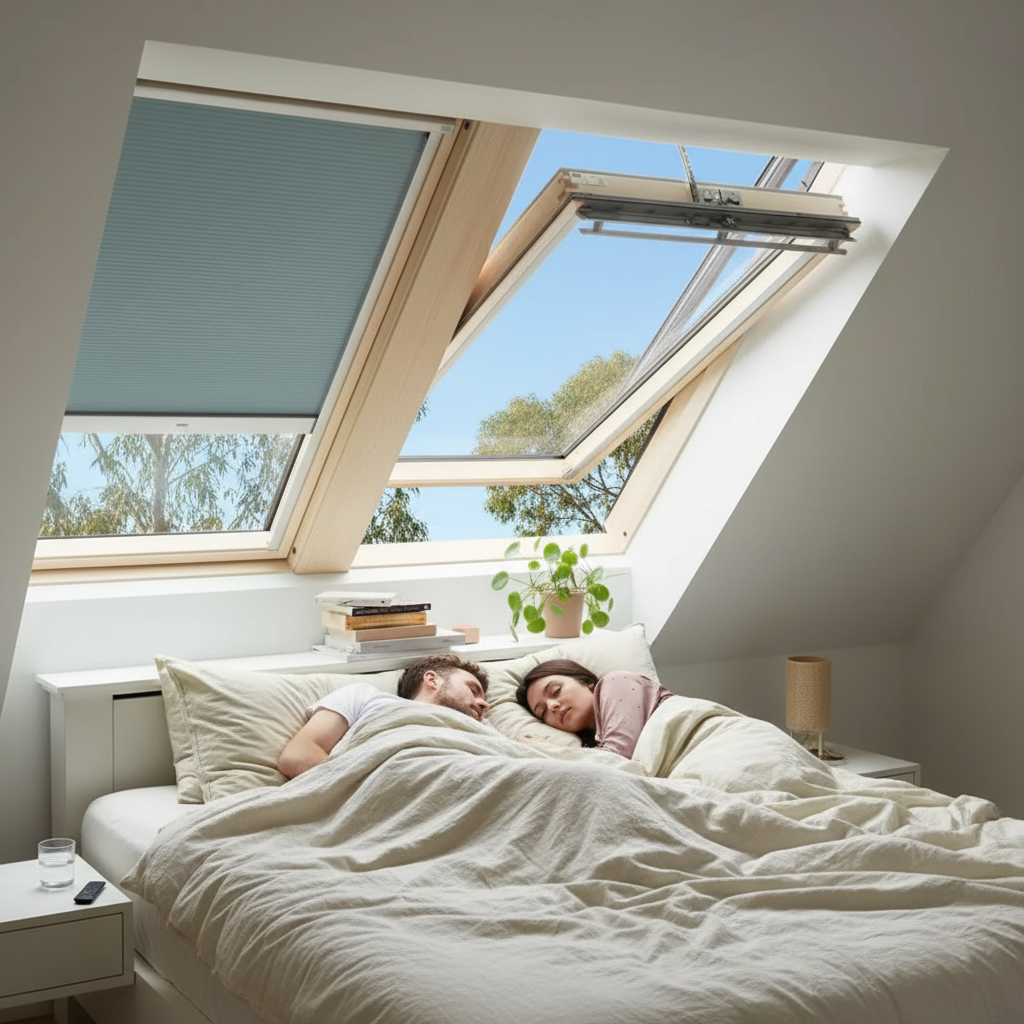
Don't write off the traditional skylight yet. If you're building a new home, doing a full renovation, or have a flat-roofed extension, a traditional opening skylight still delivers something solar can't: real ventilation and direct sunlight.
Heat Control in Melbourne's Climate
Melbourne's unpredictable climate – scorching January afternoons followed by cool April mornings – puts thermal performance front and centre for any skylight buyer.
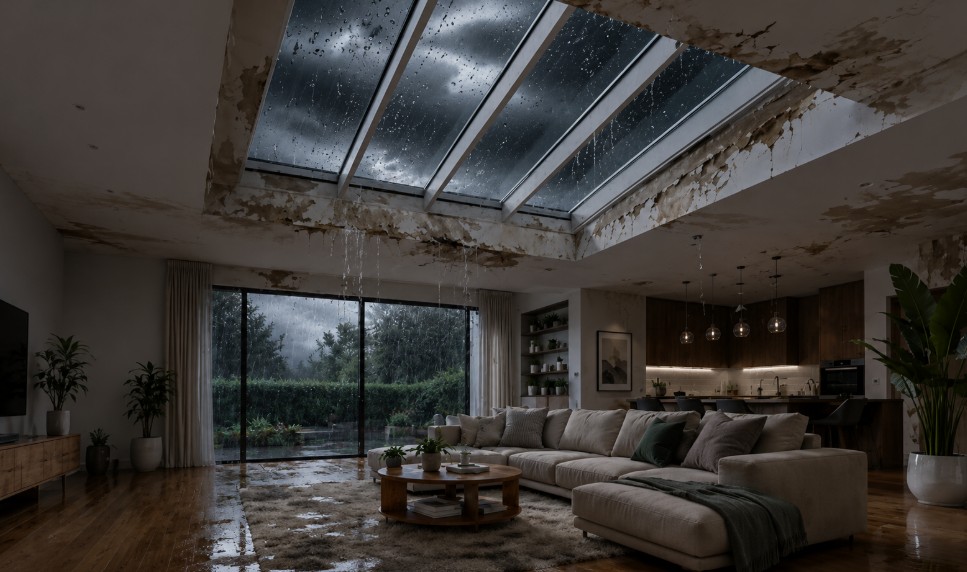
Traditional skylights with low-E double glazing perform well, but they still create a direct thermal bridge between your ceiling and the sky. On a 38°C Melbourne summer day, a poorly glazed traditional skylight turns a living room into a greenhouse.
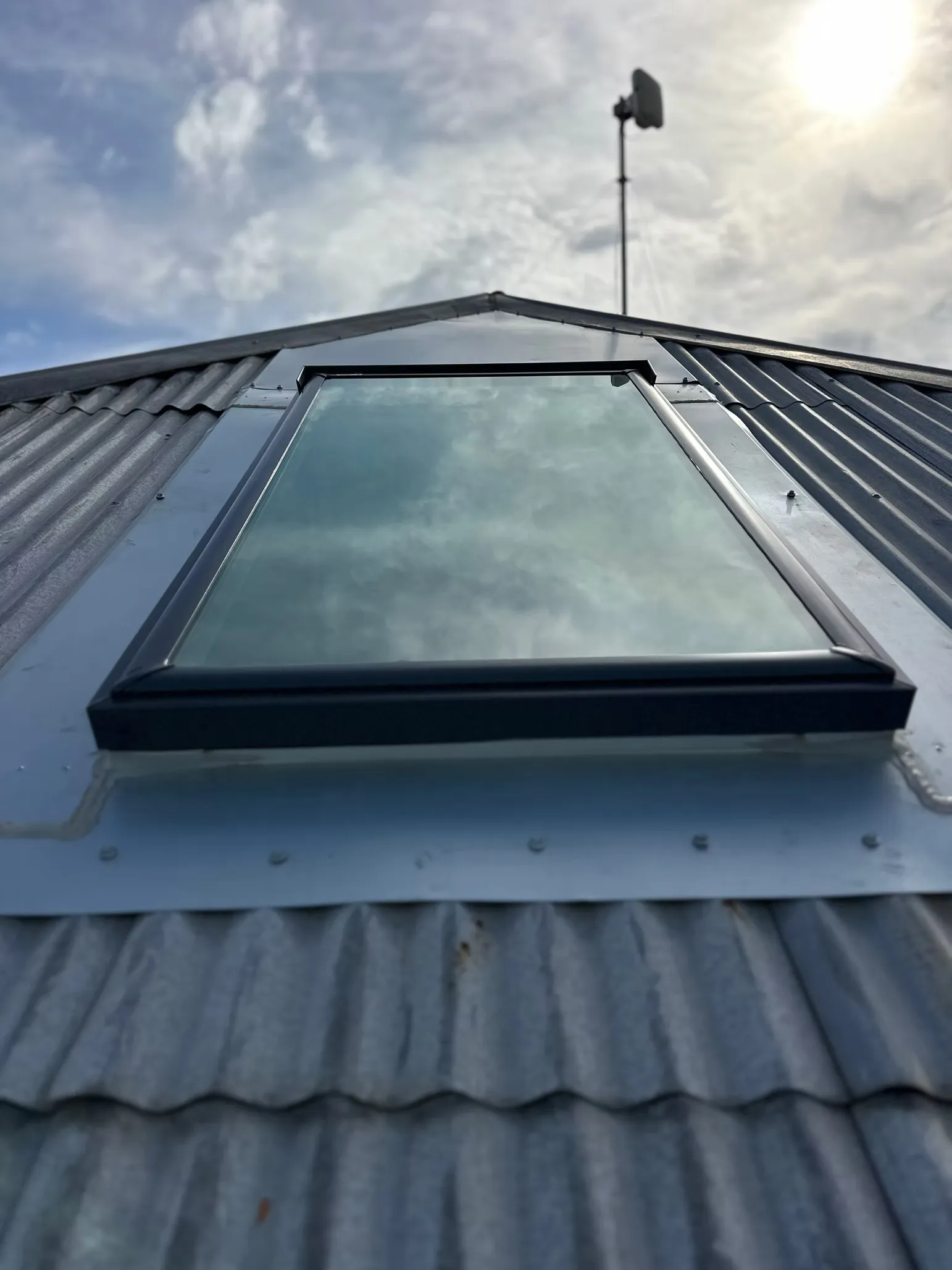
Solar skylights sidestep this entirely. Because they don't penetrate the roof, they avoid that direct heat transfer path — making them particularly suited to west-facing rooms that already battle afternoon heat in suburbs like Box Hill, Balwyn, and Templestowe.
Our verdict: solar wins for most Melbourne homeowners in 2026
For established suburbs, older roofs, and anyone prioritising low risk and low maintenance — solar skylights are the smarter choice. But for ventilation-first rooms and new builds, traditional skylights still earn their place.
What Should You Actually Do?
The honest answer: it depends on your roof's age, room purpose, and suburb. A good skylight installer will assess your specific roof structure, ceiling height, and sun orientation before recommending either option.
If you're in Melbourne's eastern or Bayside suburbs with a tiled roof over 20 years old — start with a solar skylight quote. If you're building new or renovating a kitchen or bathroom — get a traditional opening skylight on your shortlist.
Either way, don't let darkness win. Melbourne homes deserve natural light — and in 2026, there's a smart solution for every roof type.
Read next
More from our guides

.png)
.png)