Sunpipe Installation Melbourne: A Homeowner's Guide to Natural Daylighting

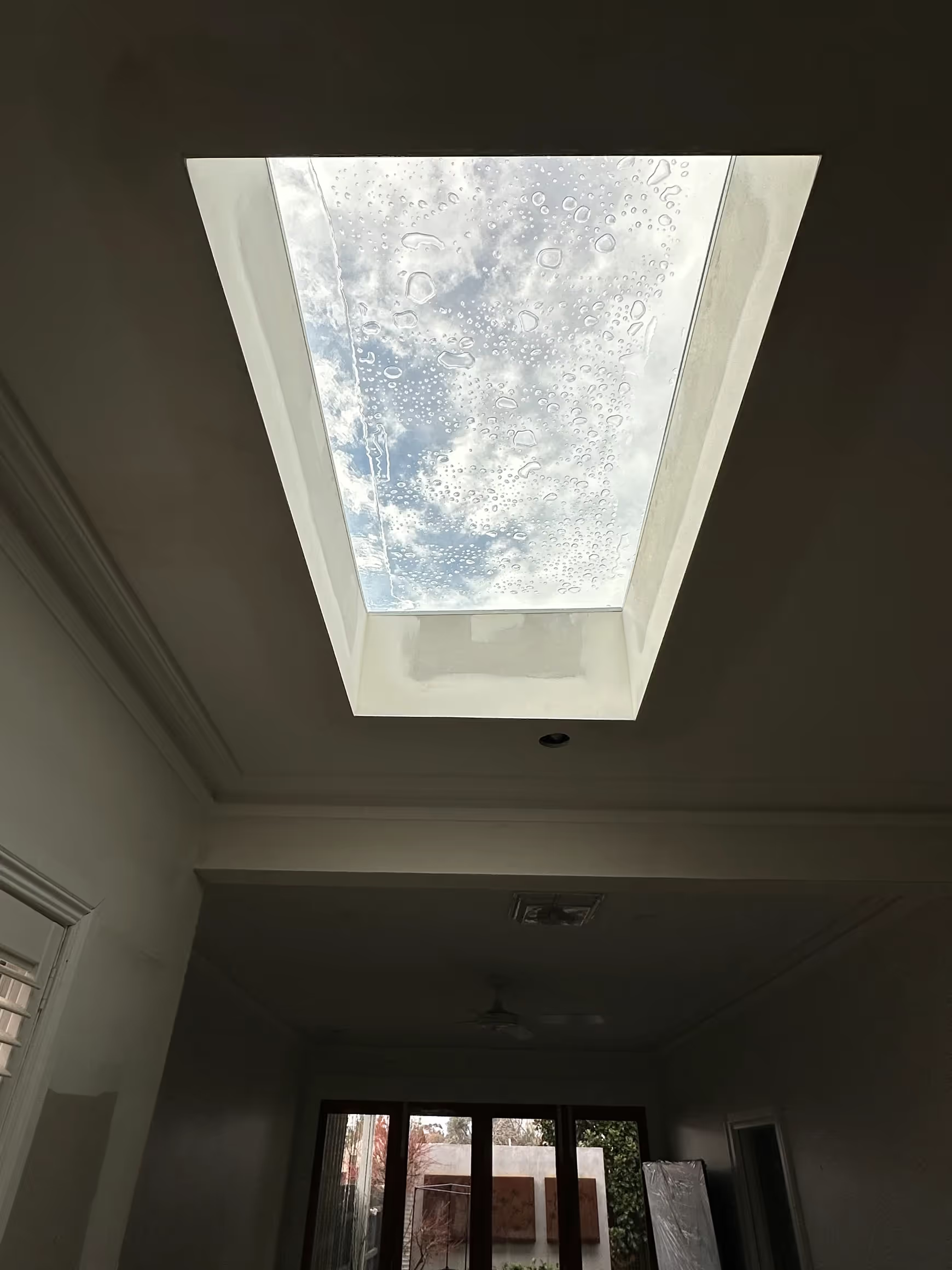
A sunpipe (also called a tubular skylight or sun tunnel) fixes that without the cost and disruption of a full skylight. Here's what one actually is, how it works, what installation involves, and how to choose the right size for your space.
What a Sunpipe Actually Is
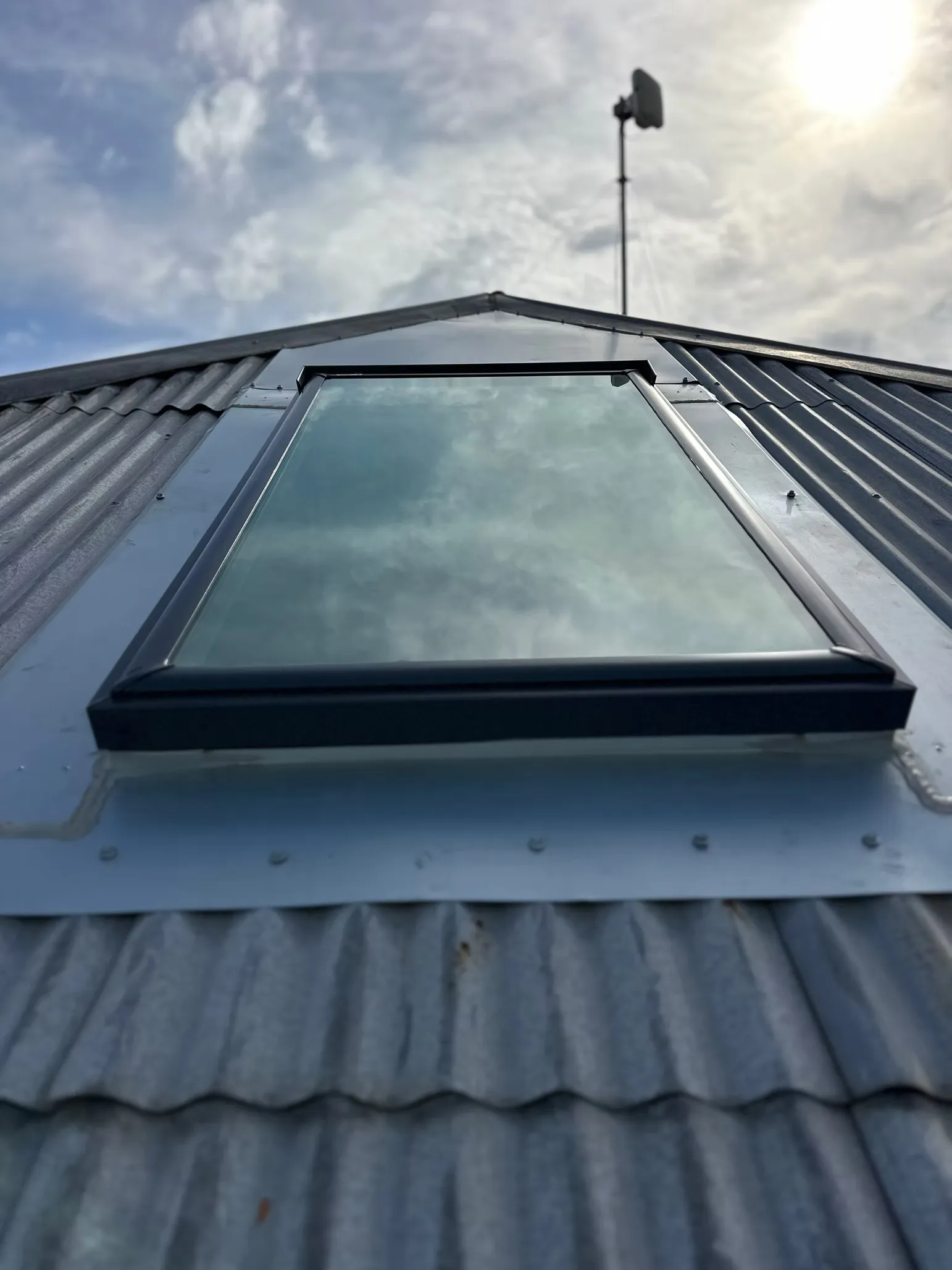
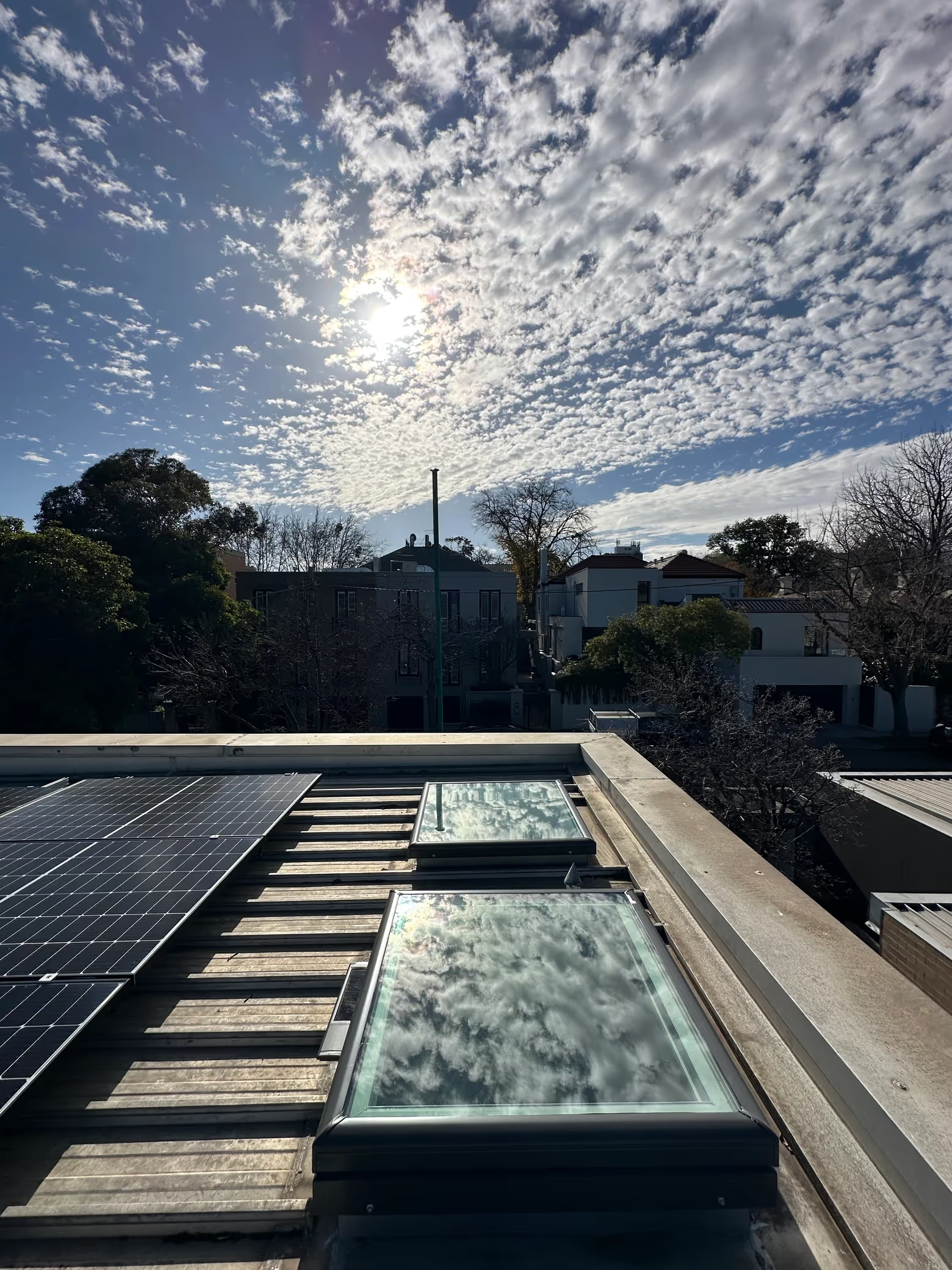
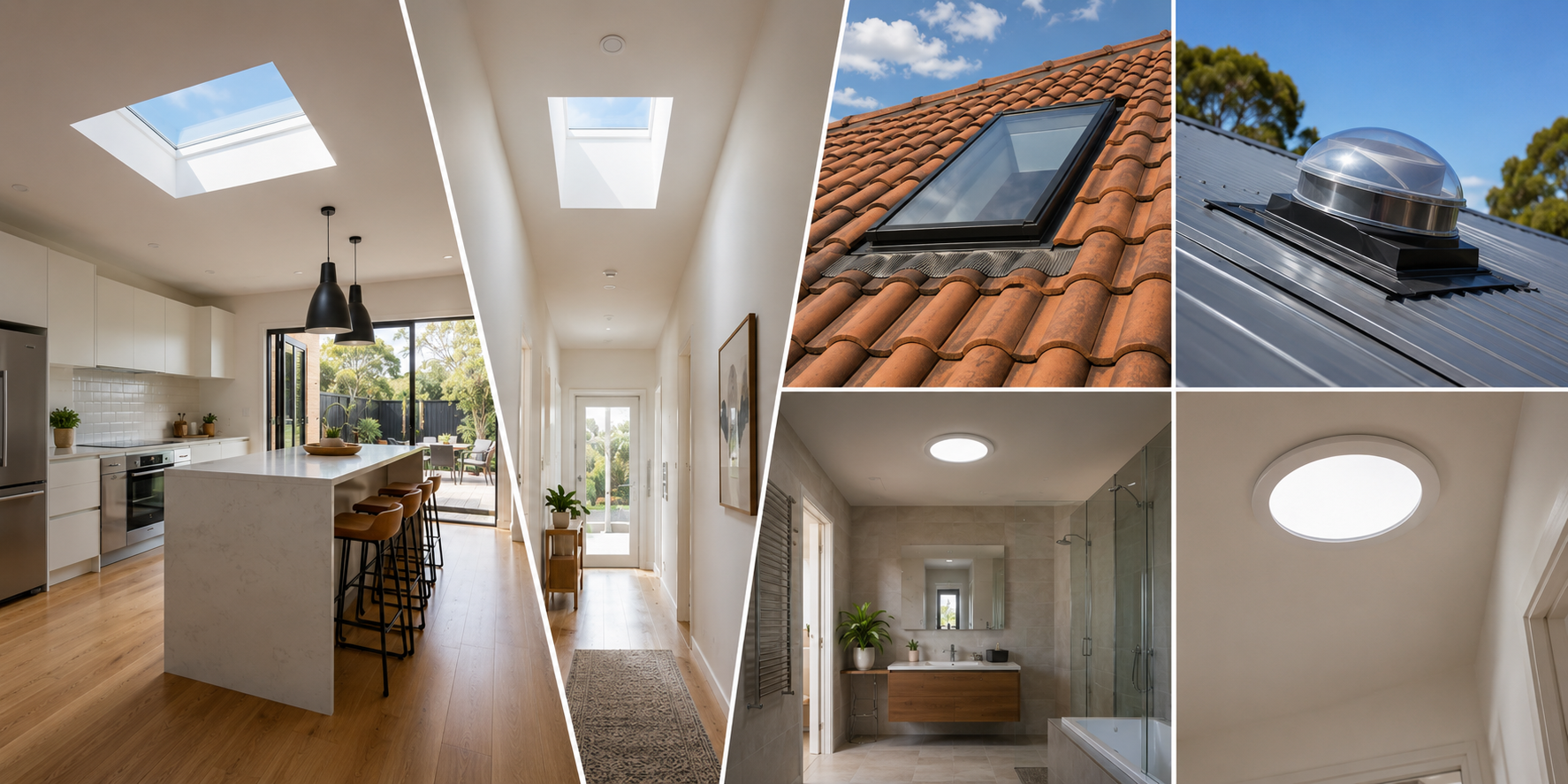
A sunpipe is a small roof-mounted dome connected to a highly reflective tube that carries daylight down through the roof cavity and releases it into a room through a ceiling diffuser.
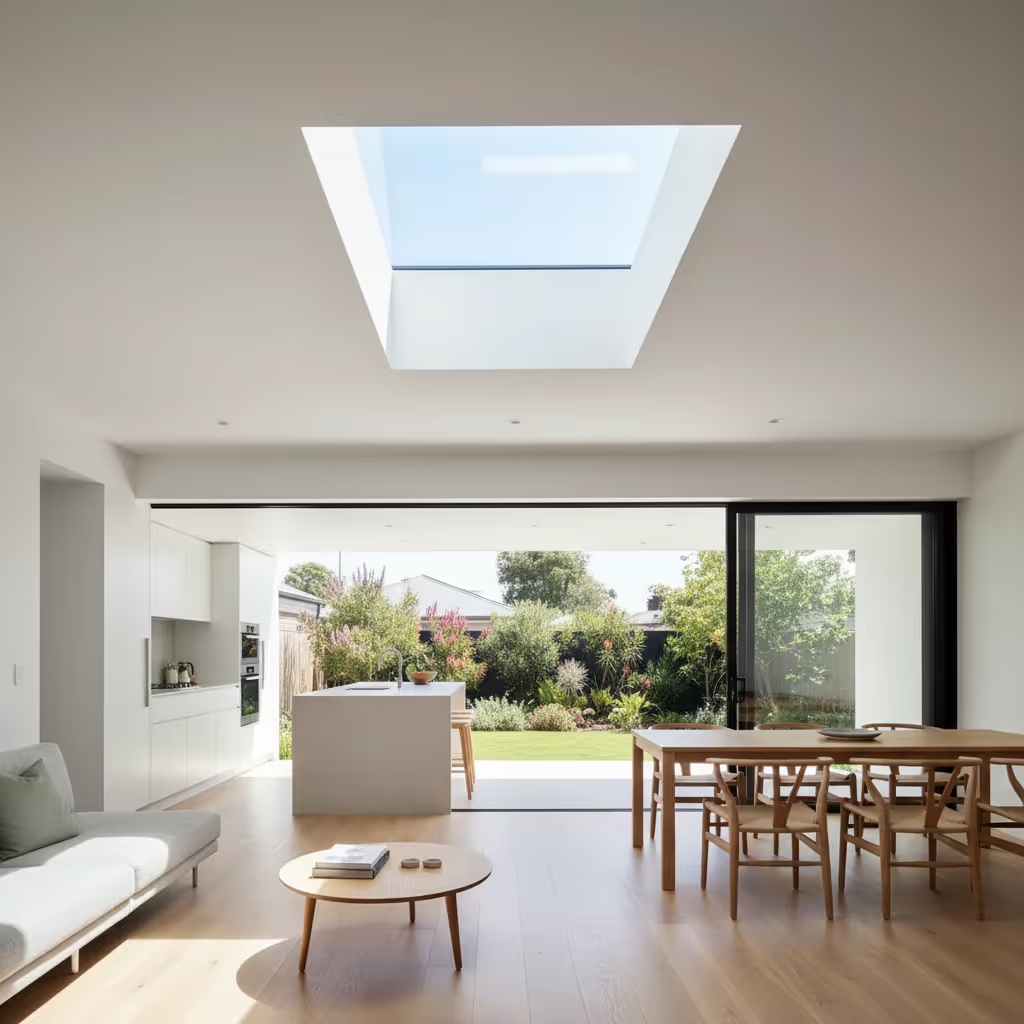
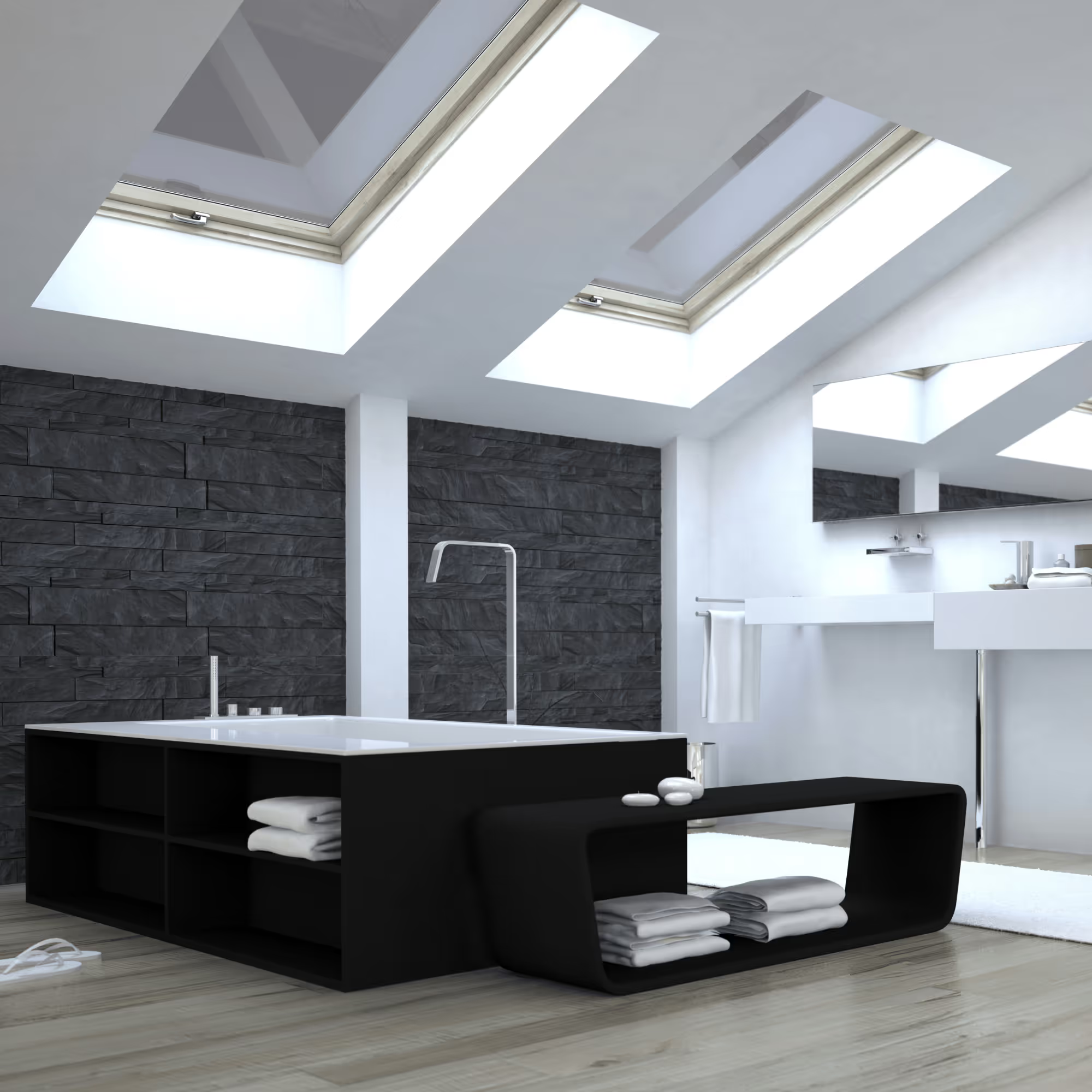
The key difference from a traditional skylight is the shaft. A skylight needs a wide, plaster-lined light well built straight down from roof to ceiling, which is expensive, structurally invasive, and often impossible if there's a truss, duct, or pipe in the way. A sunpipe's tube is narrow and flexible enough to bend around those obstacles, which is why it can reach rooms a skylight simply can't.
How It Works
Three components do the job:
- Roof dome: a weatherproof, UV-stable capture point fitted into the roofing material
- Reflective tube: an interior surface (often 98%+ reflective) that bounces light down the shaft with minimal loss, even around bends
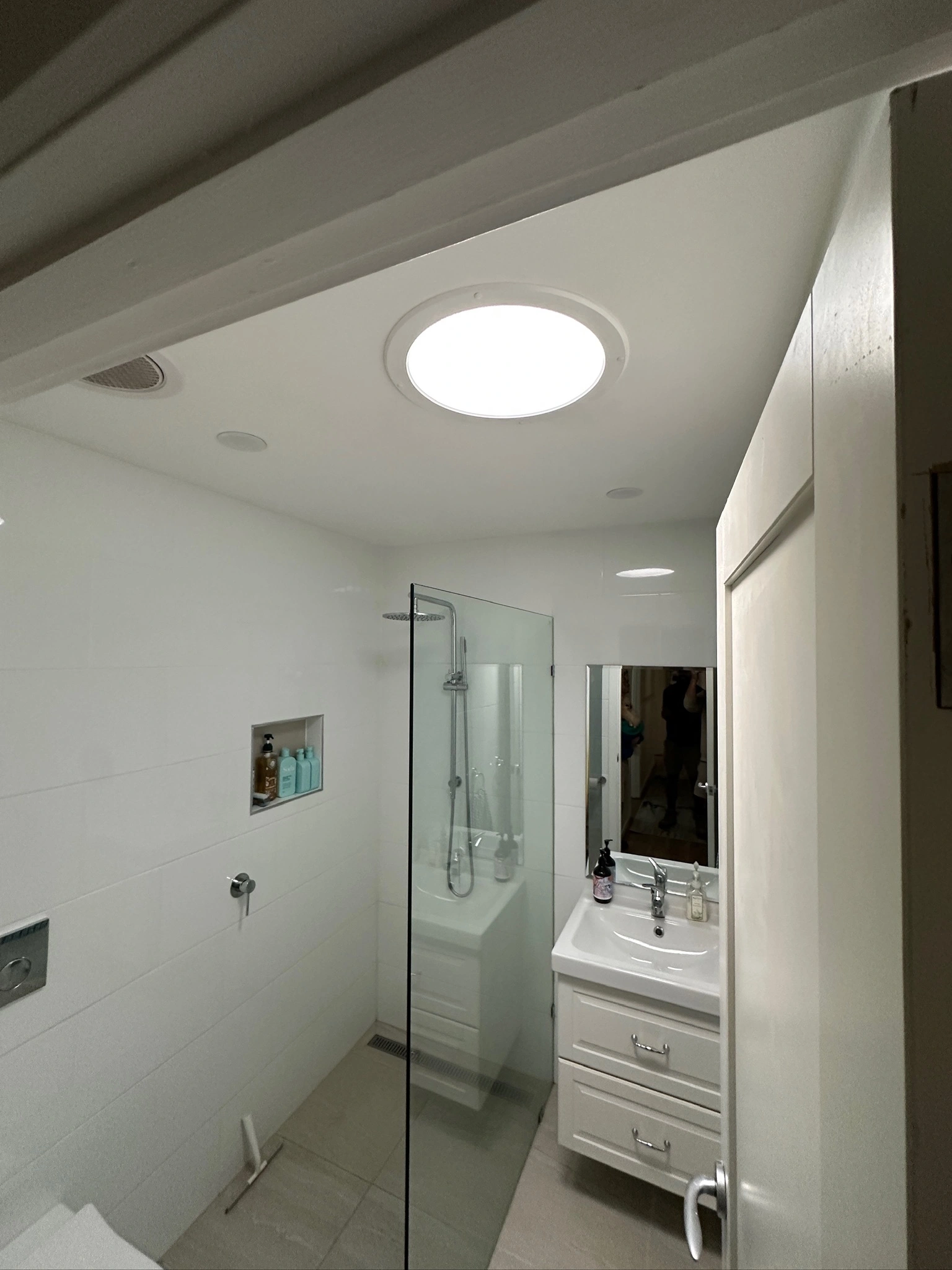
- Ceiling diffuser: a lens that spreads the light evenly across the room rather than casting a single hot spot
Because the tube captures ambient sky light, not just direct sun, sunpipes still work on overcast days, which matters in Melbourne, where "four seasons in one day" is more forecast than joke.
Where They Make the Biggest Difference
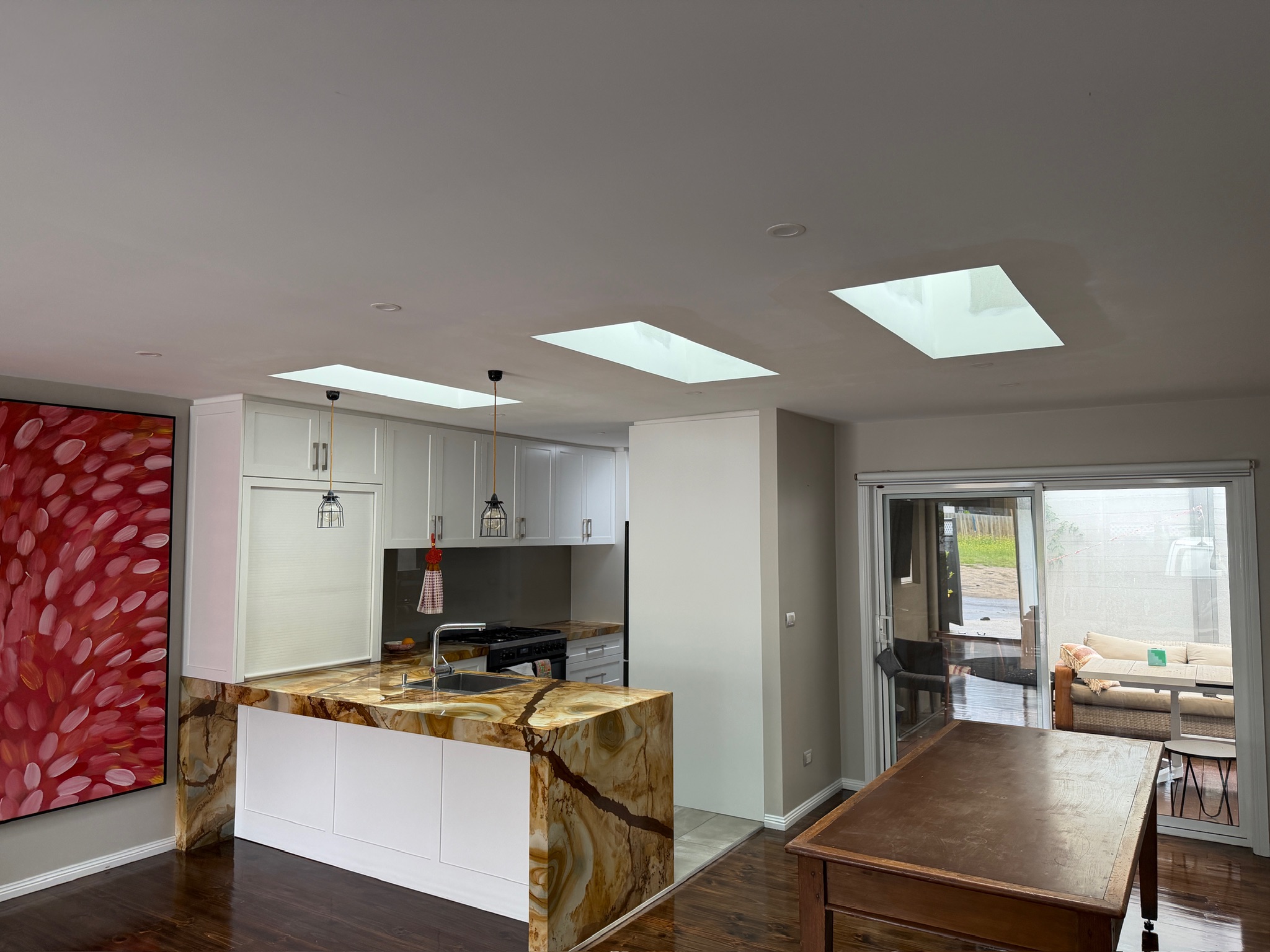
Sunpipes suit almost any room, but they solve a specific problem best: spaces in the centre of a floor plan with no exterior wall to put a window in.
- Bathrooms and ensuites
- Hallways and stairwells
- Laundries
- Walk-in robes
- Internal kitchens
- Home offices
- Windowless bedrooms in older subdivided homes
What Installation Involves
A properly run installation follows a fairly consistent sequence:
- Site assessment: the installer checks your roof type, the room's position relative to the roof, and what's in the cavity (trusses, ducting, wiring) that the tube will need to route around.
- Sizing and product selection: diameter, tube length, number of bends, and diffuser style are matched to the room.
- Roof penetration and flashing: a precisely cut opening is fitted with flashing suited to your roof material (tile, Colorbond, corrugated iron all need different details). This is the step where poor workmanship shows up later as a leak.
- Tube routing: the reflective tube is run through the cavity, held in place, and angled to minimise light loss at each bend.
- Diffuser fitting: the ceiling-side fixture is installed and sealed.
- Final check: weatherproofing, alignment, and light output are verified before sign-off.
The roof opening itself is small, typically comparable to the tube diameter, so there's no ceiling demolition or plaster light-well construction involved.
Choosing the Right Diameter
DiameterBest suited to250-300 mmToilets, small bathrooms, hallways350-400 mmBedrooms, kitchens, medium living spaces450-500+ mmOpen-plan living areas, large family rooms, commercial spaces
Diameter isn't the only variable, though. Roof pitch, the number of bends needed to reach the room, and tube length all affect how much light actually reaches the diffuser: a 300 mm pipe with a straight run can outperform a 400 mm pipe with two 90° bends. A site assessment, not a chart, gives you the real answer.
Why Installation Quality Matters More Than the Product
Sunpipe hardware is fairly standardised across brands. What separates a good outcome from a bad one is almost entirely the installation:
- Flashing: the single biggest source of leaks if done poorly, and the hardest thing to fix after the fact
- Bend angles: sharp, poorly planned bends can cut light output significantly
- Sealing at the diffuser: gaps here mean drafts and condensation, not just light loss
- Compliance: installation should meet relevant Australian Standards for roof penetrations and weatherproofing
If you're comparing quotes, ask specifically how the installer handles flashing for your roof type, and whether they guarantee against leaks. That answer tells you more than the sunpipe brand does.
The Bottom Line
A sunpipe is one of the few home improvements that's both cheaper and less disruptive than the alternative (a full skylight) while solving the actual problem (dark, windowless rooms) more directly. The variable that determines whether you're happy with it in five years isn't the product spec sheet; it's the quality of the roof penetration and the skill of whoever routes the tube through your ceiling cavity.
If you're weighing it up, a short on-site assessment from an experienced installer will tell you more in ten minutes than any general guide can: what size you actually need, how many bends the run requires, and what it'll look like from the room below.
Read next
More from our guides

.png)
.png)