Installing a Skylight in a Bayside Melbourne Home? Questions to Ask First


If you live in Brighton, Sandringham, Beaumaris, Black Rock, Hampton, Mentone, Elwood, or St Kilda, your home deals with something inland Melbourne suburbs don't: salt air. Sea spray, humidity, and coastal wind all take a toll on building materials over time, and a skylight is no exception.
Coastal Durability & Materials
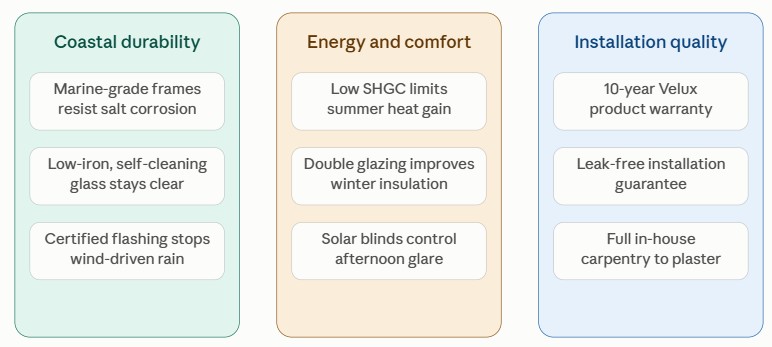
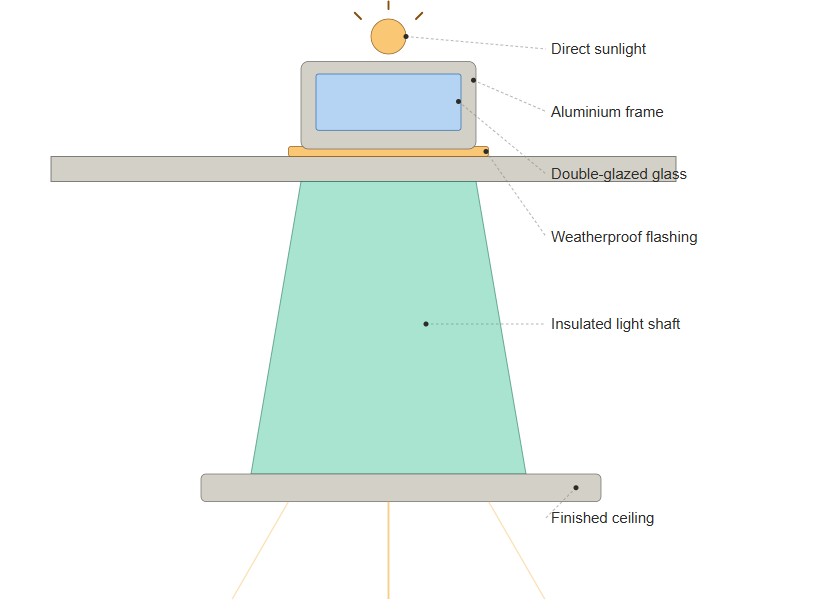
Are the frames salt-resistant?Standard aluminium frames can pitt and corrode faster near the coast. For homes in salt-air zones, we recommend powder-coated aluminium or marine-grade frame options, the coating acts as a barrier against the moisture and salt particles that cause corrosion over time. It's a small spec difference that adds years to the life of the unit.
What about the glass?Coastal debris, glare off the water, and strong midday sun all affect how a skylight performs day to day. Low-iron glass keeps colour rendering true (no green tint that cheaper glass can develop), while self-cleaning coatings help shed dust, salt residue, and grime, meaning less climbing onto the roof to keep the glass clear.
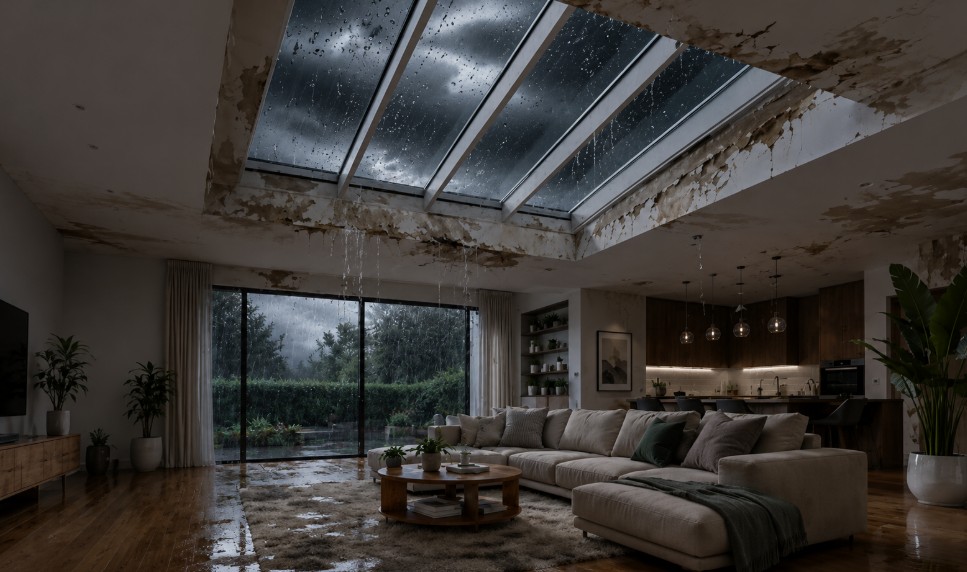
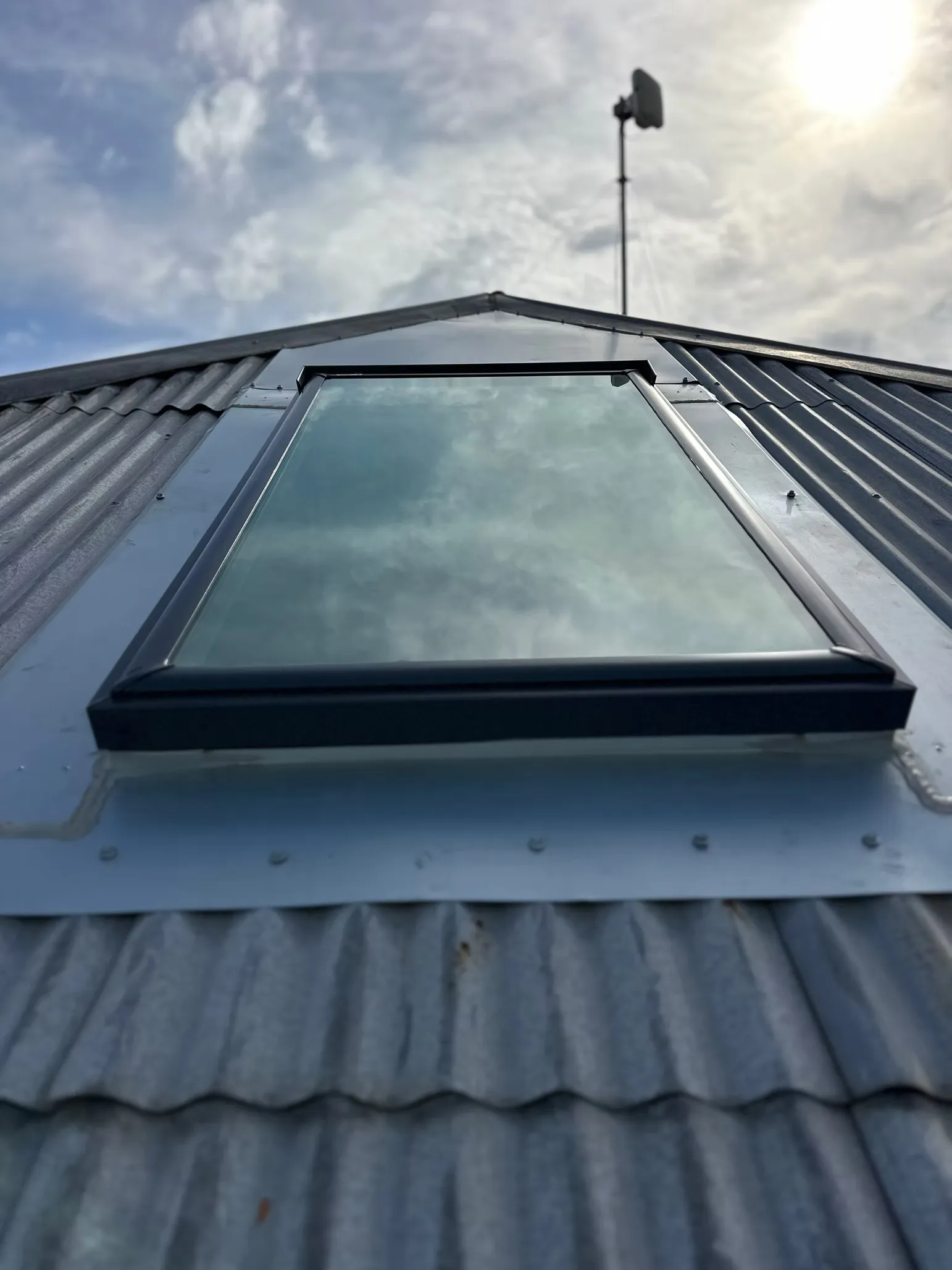
How do you stop wind-driven rain getting in?This comes down to the flashing, not the skylight itself. We use manufacturer-specific Velux flashing kits, fitted to match your exact roof type (tile, metal, or flat). Proper flashing overlaps the roofing material correctly so wind-driven rain is directed away from the opening rather than pushed underneath it. This is also the single biggest factor in whether a skylight leaks, poor flashing causes more leaks than any product fault.
Energy & Comfort Control
Will it overheat the room in summer? This is governed by the Solar Heat Gain Coefficient (SHGC), a rating of how much solar heat passes through the glass. A lower SHGC means less heat transfer, which matters in rooms that already get strong afternoon sun. Double-glazed Velux units are built to manage this, letting light in without turning a room into a greenhouse.
What about winter heat loss? That's the U-factor, a measure of how well the glazing insulates. Lower U-factor ratings mean better thermal performance, so the room holds heat in winter and stays cooler in summer. Double glazing (standard on most of our installs) significantly improves both figures compared to older single-glazed units.
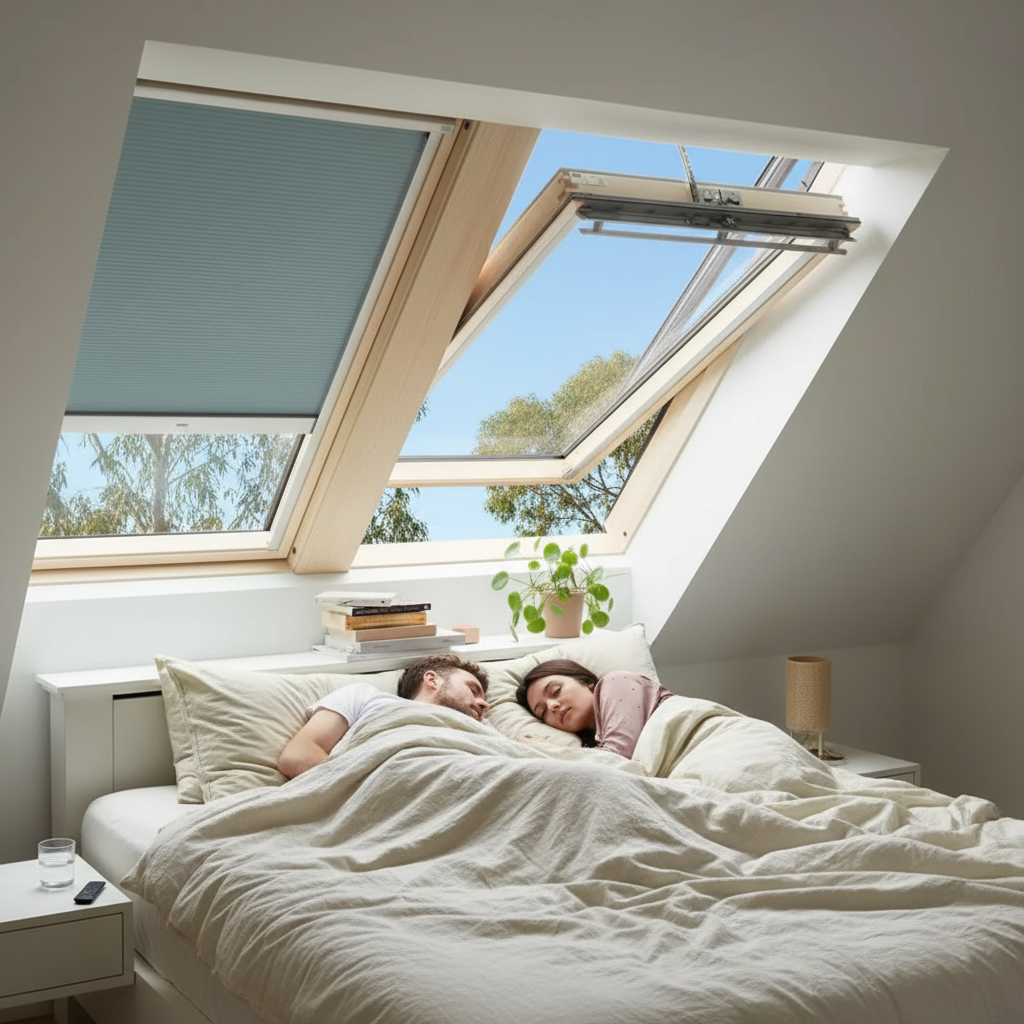
Can I control the brightness?Yes. Solar-powered or electric blinds can be fitted at the same time as the skylight, letting you dim a room during peak afternoon glare without blocking the window altogether. Worth considering for north-facing rooms or living areas that get harsh midday sun.
Installation & Finishing
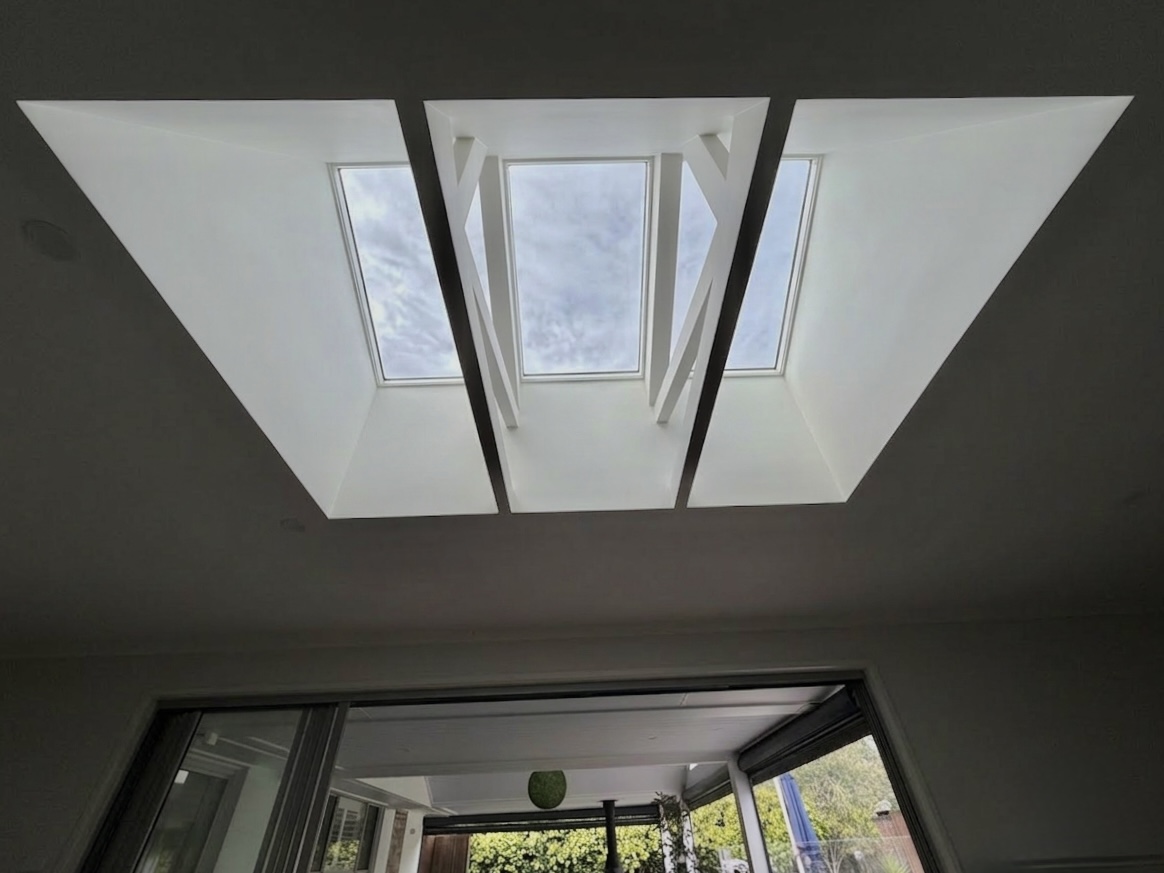
Does the light shaft get finished properly? It should be part of the job, not an afterthought. We handle the full internal finish, framing the light shaft, plastering, stopping up, and sanding ready for paint, so you're not left coordinating a separate plasterer after the roof work is done.
Will it affect the structure of my roof? Sometimes. Depending on where the skylight sits, we may need to work around or reinforce roof trusses and rafters. This is assessed on-site during your free quote, we'll tell you upfront if your roof needs extra structural work, and factor it into the price rather than surprising you later.
What's actually covered by warranty? Two separate things matter here. The product warranty, Velux backs their skylights for 10 years, covers manufacturing faults in the unit itself. Installation workmanship is a separate guarantee, and it's the one that actually determines whether you get leaks. We back every installation with our own leak-free guarantee: if it leaks, we come back and fix it, no charge.
Common Questions About Skylights
What type of roof is best for installing skylights? Skylights can go on almost any roof type, tile, metal (Colorbond), flat, or slate, but some make the job easier. Metal roofs are generally the simplest: a clean cut and a Velux flashing kit gives a straightforward weatherproof seal. Tiled roofs are just as viable but involve more care around cutting and replacing tiles. Flat or low-pitch roofs need specific Velux models designed for that application. Slate and other unusual materials are doable but take extra time for custom flashing. The bigger factor than roof type is condition, if a roof is already in poor shape, that needs addressing first, or a new skylight will leak regardless of how well it's fitted.
Are all skylights tempered glass? Not automatically, but they should be. Quality skylights use toughened (tempered) or laminated safety glass, which is designed to resist impact and, if it does break, to do so in a way that's far less dangerous than ordinary glass. Velux units are built to this standard. It's worth confirming with any installer, since cheaper or older skylights, particularly ageing plastic domes, may not meet the same safety standard.
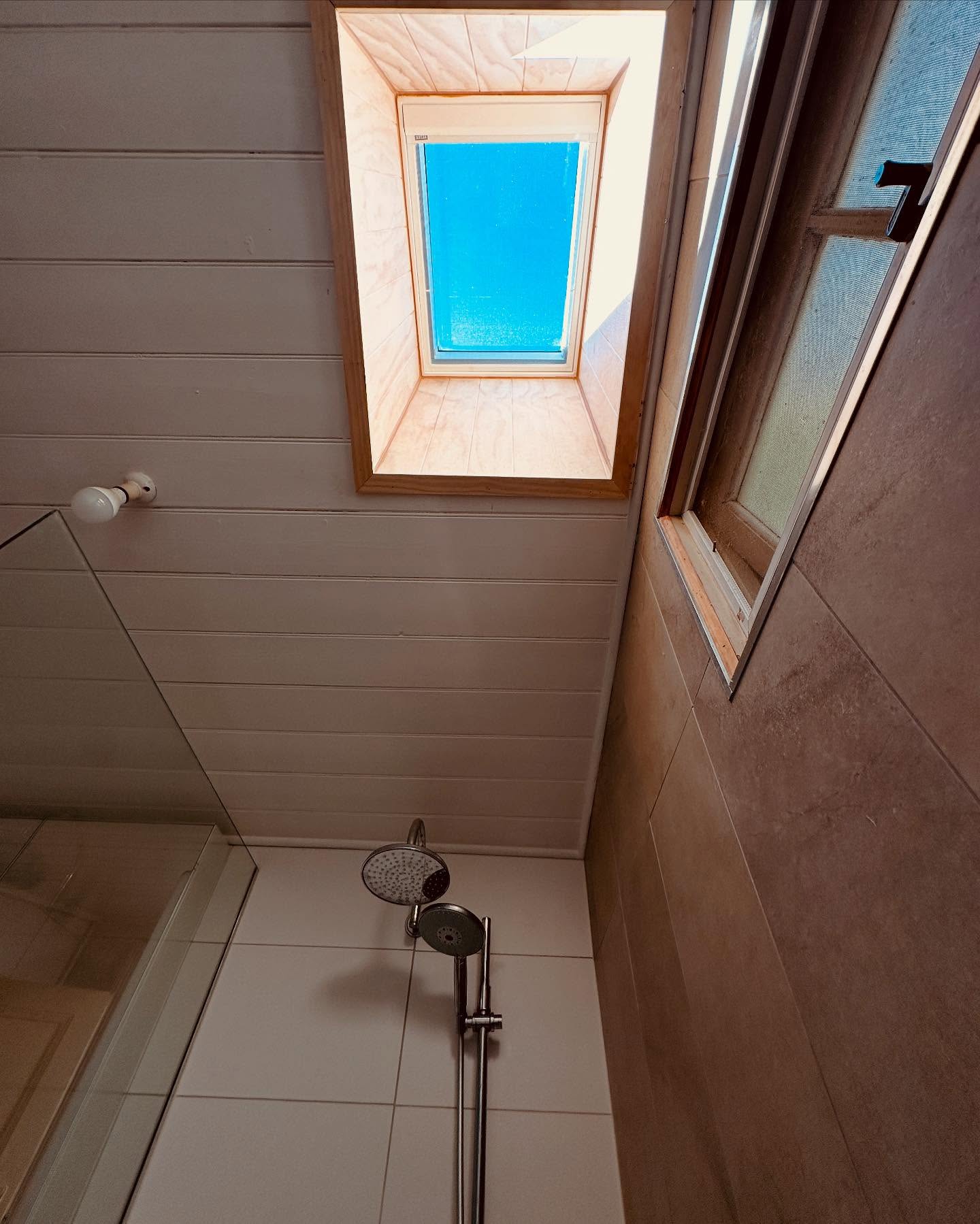
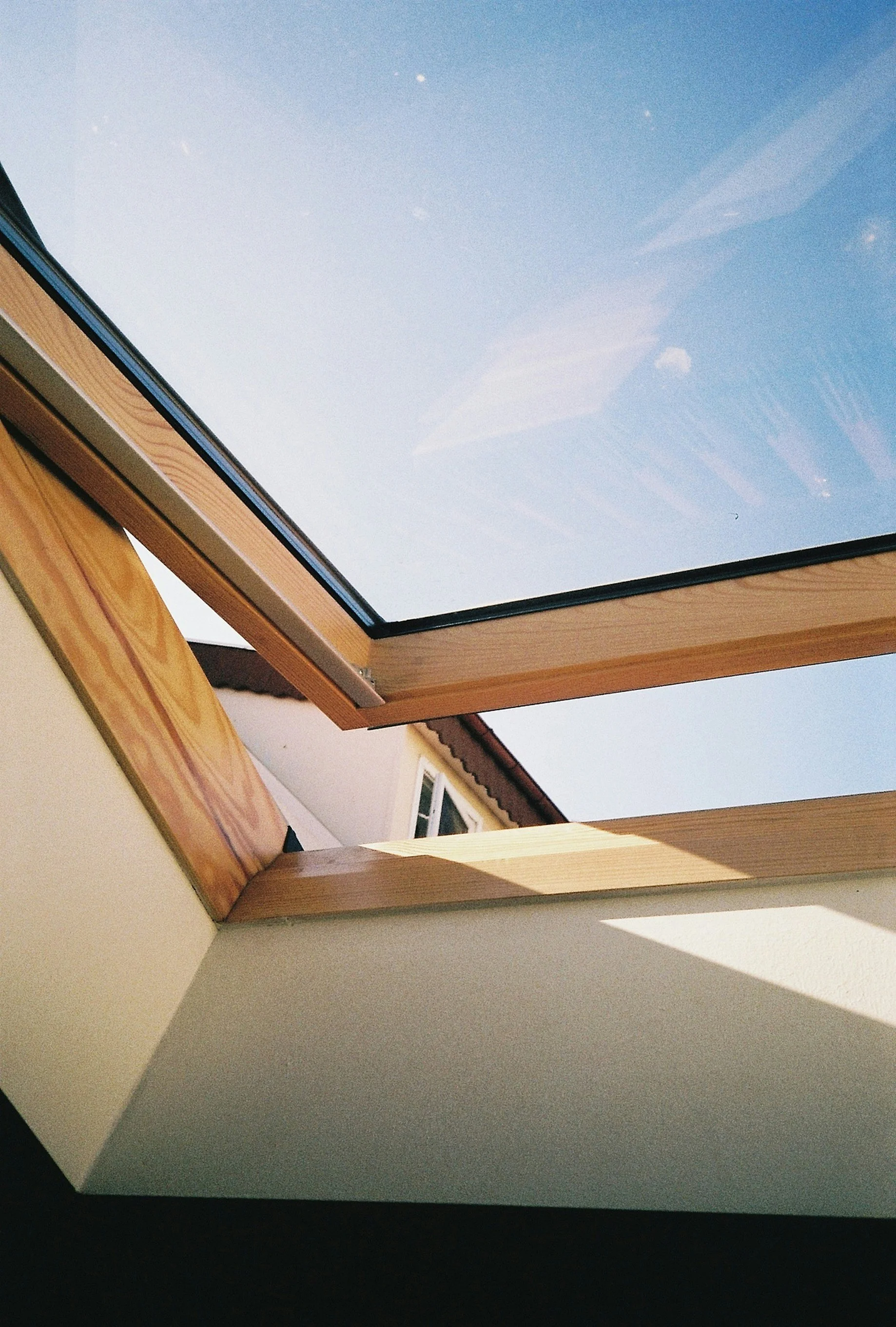
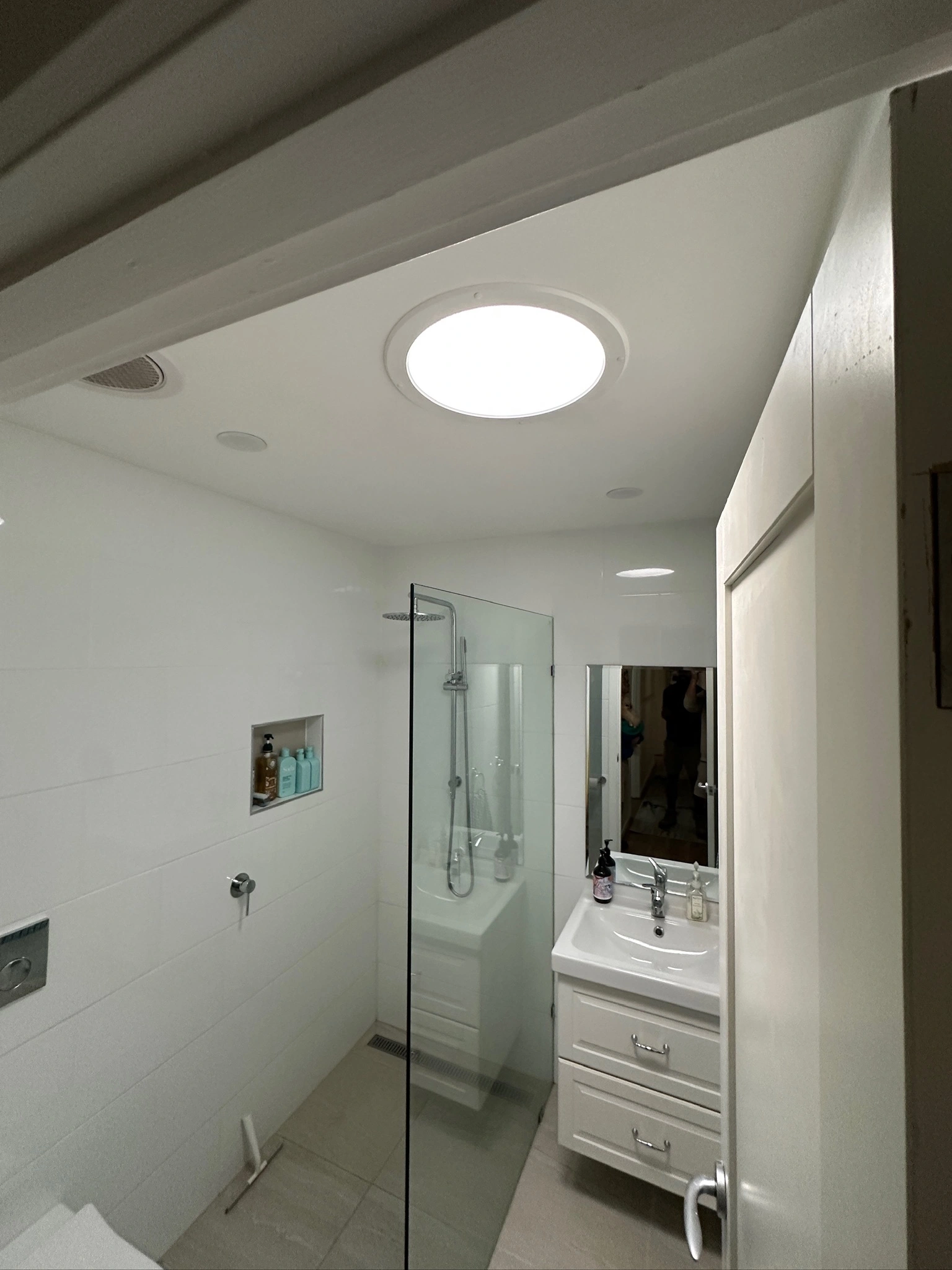
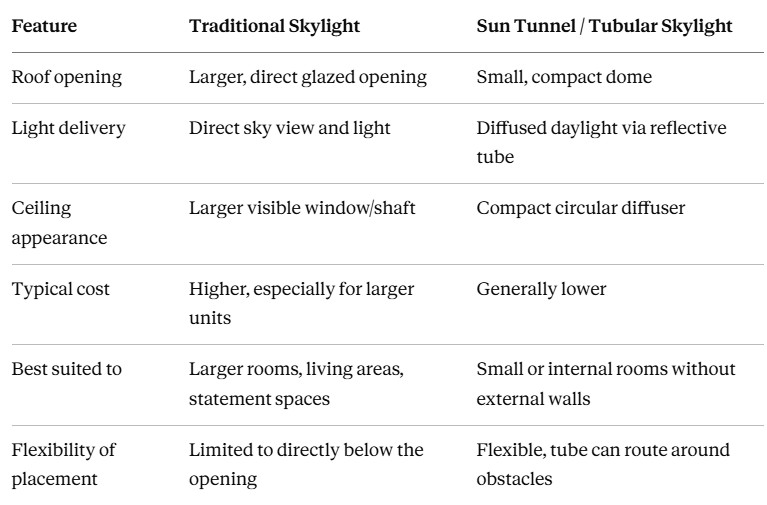
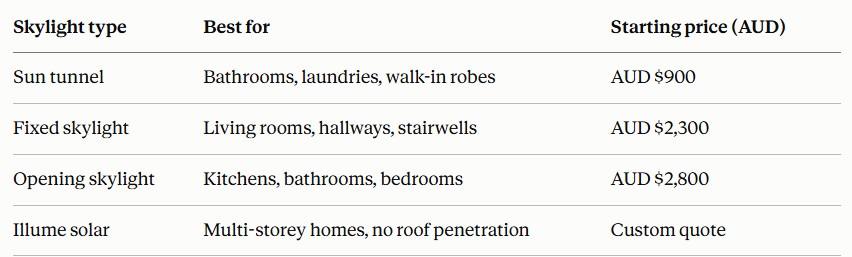
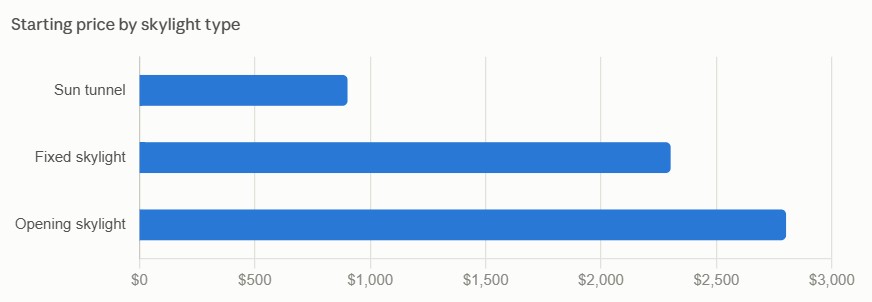
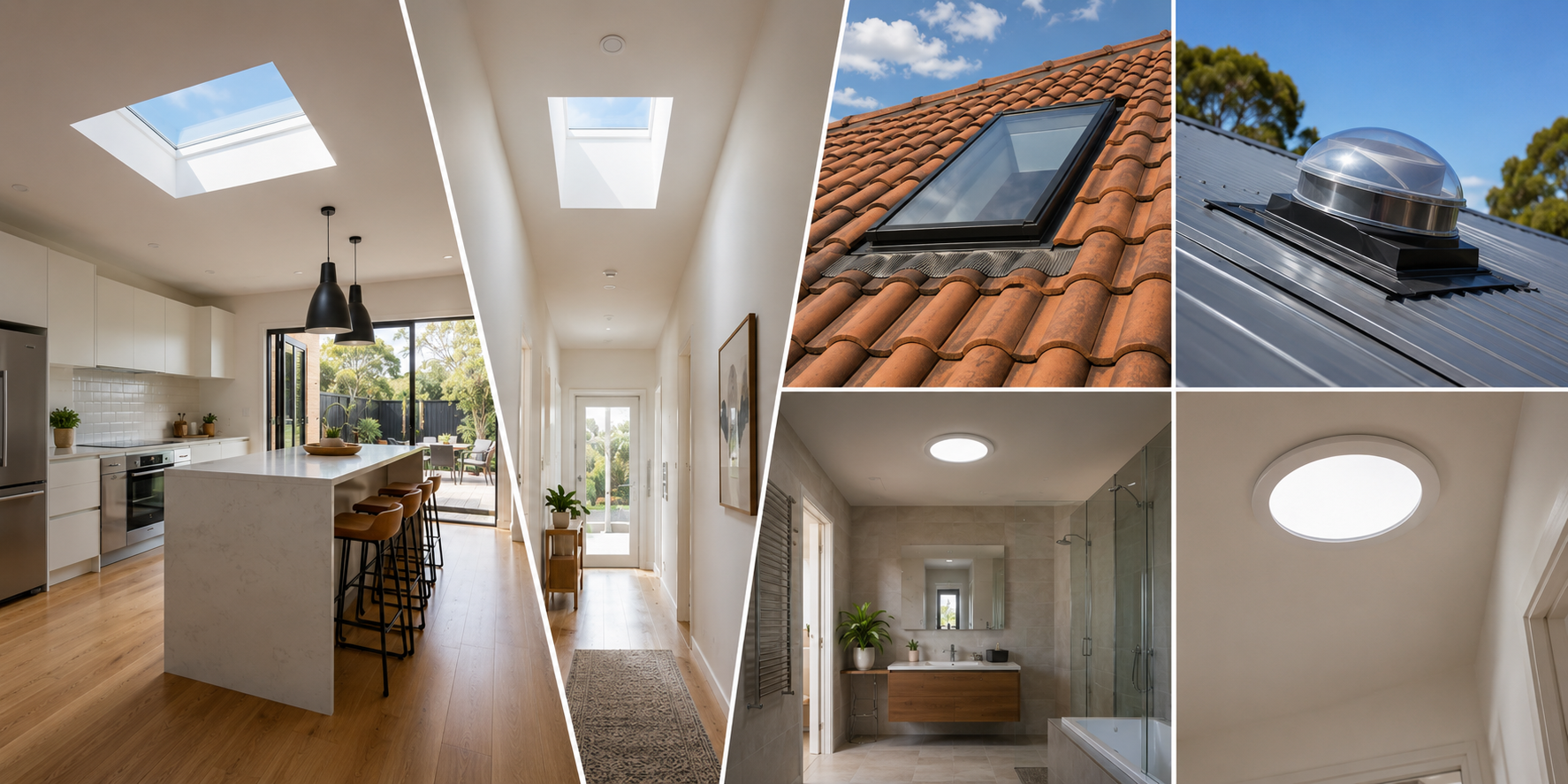
What type of skylight is best? It depends on the room. Fixed skylights suit living rooms, hallways, and stairwells where you want light but not ventilation. Opening skylights work well in kitchens and bathrooms where fresh air matters. Sun tunnels are the better (and cheaper) option for smaller spaces like laundries or walk-in robes where a full skylight won't fit. Solar options like Illume suit multi-storey homes or rooms where a roof penetration isn't possible at all. There's no single "best" skylight, the right pick comes down to the room, the roof, and the budget, which is exactly what a proper on-site assessment sorts out.
What is the most typical skylight problem ? Leaks, by far. And in almost every case it comes back to installation, not the product itself. Poor flashing, gaps around the frame, or cutting corners on sealing are the usual culprits. A well-installed Velux skylight, fitted with the correct flashing kit for your roof type, shouldn't leak at all.
What are the common problems with skylights? Beyond leaks, the next most common issues are condensation build-up (usually a sign of poor insulation or ventilation), fading or yellowing on older plastic domes, seals that degrade over time on cheaper units, and excessive heat gain in rooms with no shading or double glazing. Most of these come down to product quality and installation standard rather than skylights being inherently problematic.
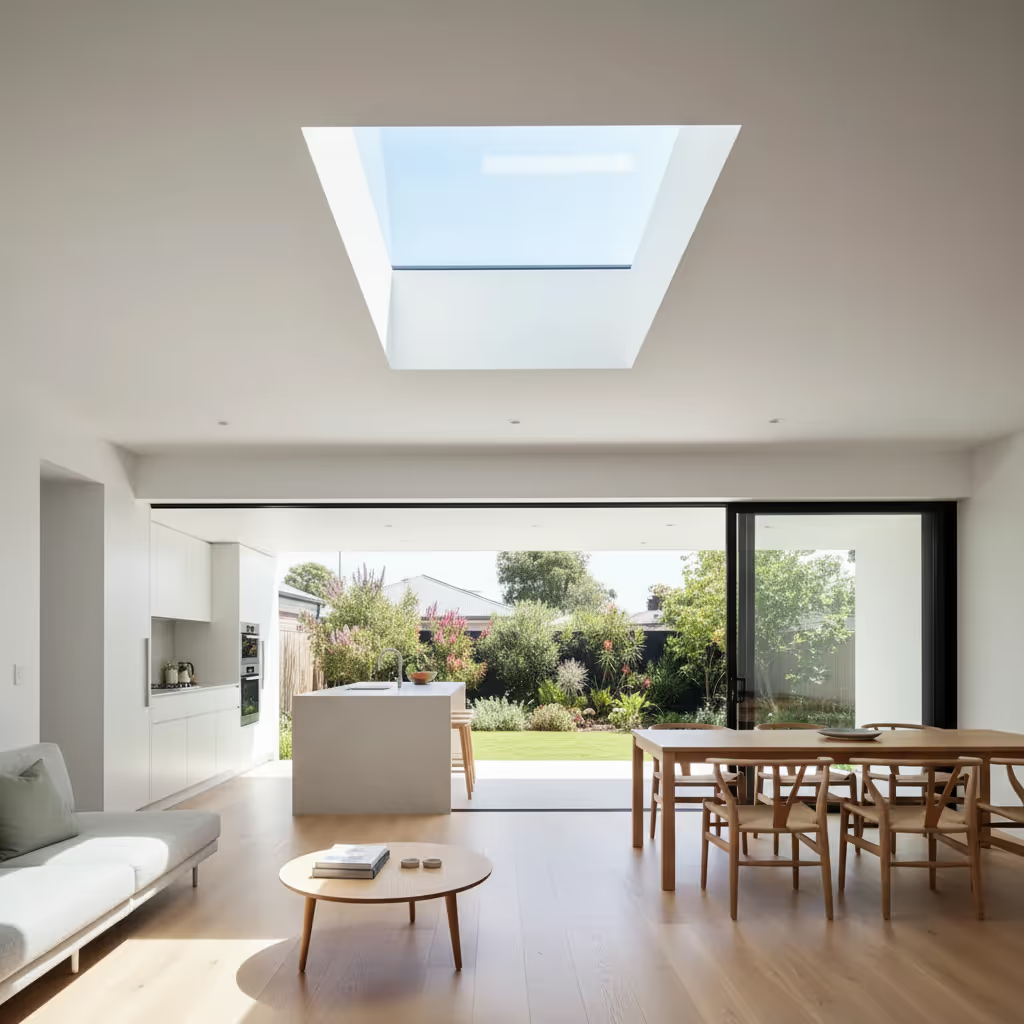
Are skylights ever a good idea? Yes, when they're installed properly. A well-placed skylight can bring up to three times more natural light into a room than a standard vertical window, cut down on artificial lighting use, and lift the overall feel of a space. The "bad reputation" skylights sometimes get almost always traces back to poor installation rather than the concept itself.
What are the safety considerations for a skylight? A few things worth checking: the glass should be laminated or toughened so it doesn't shatter dangerously if something hits it, especially for roof windows people can walk near or under. Opening skylights should have secure locking mechanisms, particularly if they're within reach. Electrical wiring for electric or solar-powered units needs to be installed to code. And any structural changes to trusses or rafters should be assessed properly beforehand, not worked around on the fly. This is also why compliance with the Australian Building Code (NCC) matters, it's not just paperwork, it's what keeps the installation safe long term.
A skylight is only as good as the materials, the flashing, and the crew installing it. In a Bayside suburb, cutting corners on any of the three, frame material, sealing, or finishing, shows up faster than it would inland.
If you're weighing up a skylight for a Brighton, Sandringham, Beaumaris, Black Rock, Hampton, Mentone, Elwood, or St Kilda home, we do free on-site assessments and can walk you through exactly what your roof needs.
Read next
More from our guides

.png)
.png)