Sunpipe Installation Melbourne Frankston: A Complete Guide to Tubular Skylights and Sun Tunnel Installation

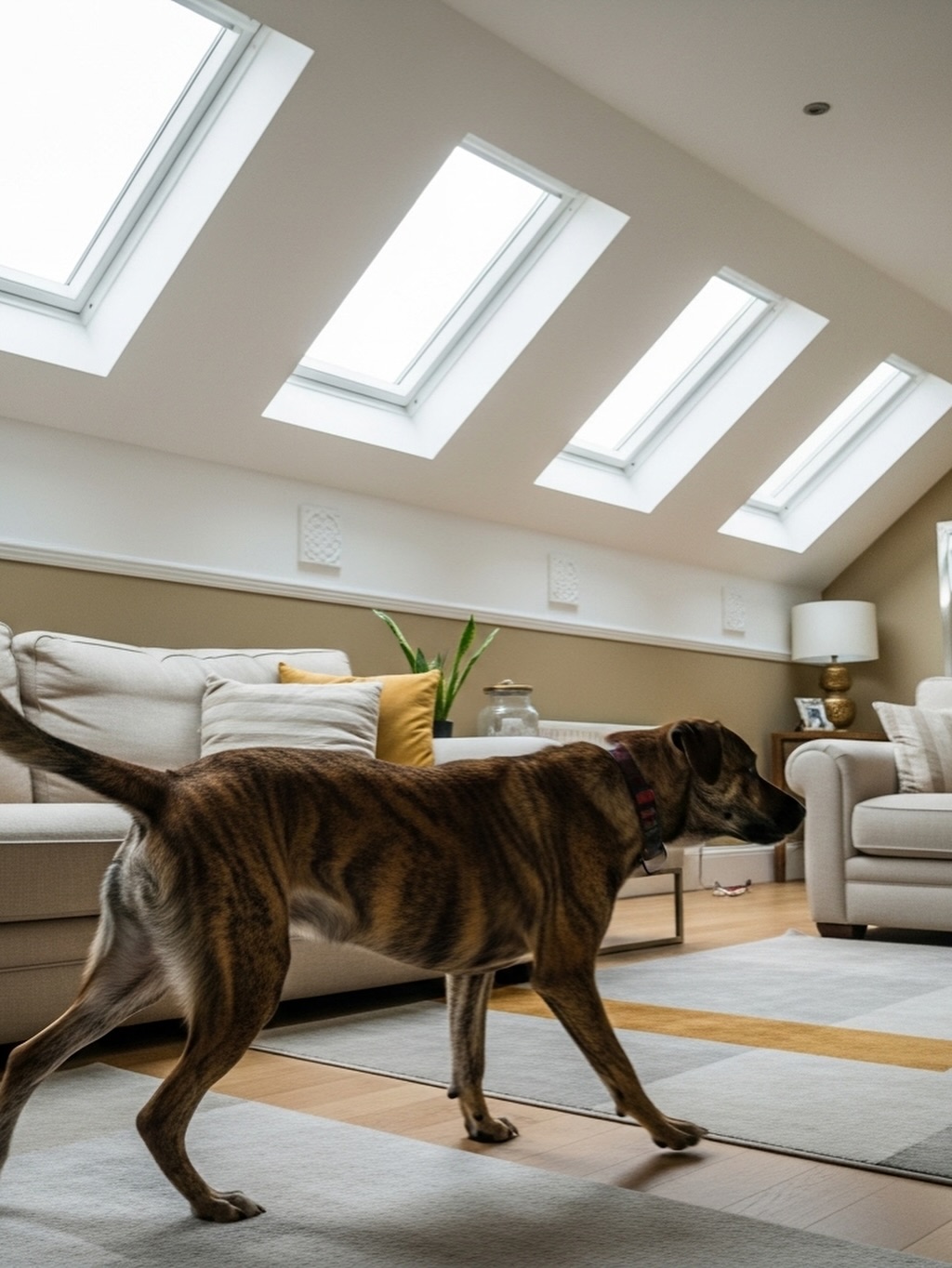
Natural daylight has a significant impact on the comfort, appearance, and energy efficiency of a home. Bright, well-lit interiors can make living spaces feel larger, improve visibility, and reduce the need for artificial lighting during the day. However, many homes throughout Melbourne and Frankston include interior rooms that receive little or no direct sunlight. Hallways, bathrooms, laundries, walk-in wardrobes, and enclosed stairwells are common examples of spaces that can feel dark even on bright days.
This guide explains everything homeowners need to know about sunpipe installation Melbourne, including how tubular skylights work, their advantages, installation methods, typical costs, and the factors that influence pricing. It also explores the differences between traditional skylights and sunpipes, helping you determine which solution best suits your home. Whether you are renovating an older property in Frankston or building a modern home elsewhere in Greater Melbourne, understanding these daylighting systems will help you make an informed decision.
What Is a Sunpipe?
A sunpipe, also known as a sun tunnel, light tube, or tubular skylight, is a daylighting system that transfers natural sunlight from the roof into interior rooms. Rather than creating a large roof window, a sunpipe uses a compact, highly reflective tube to direct daylight into areas that have limited access to natural light.
A typical sunpipe consists of three main components:
Roof Collector
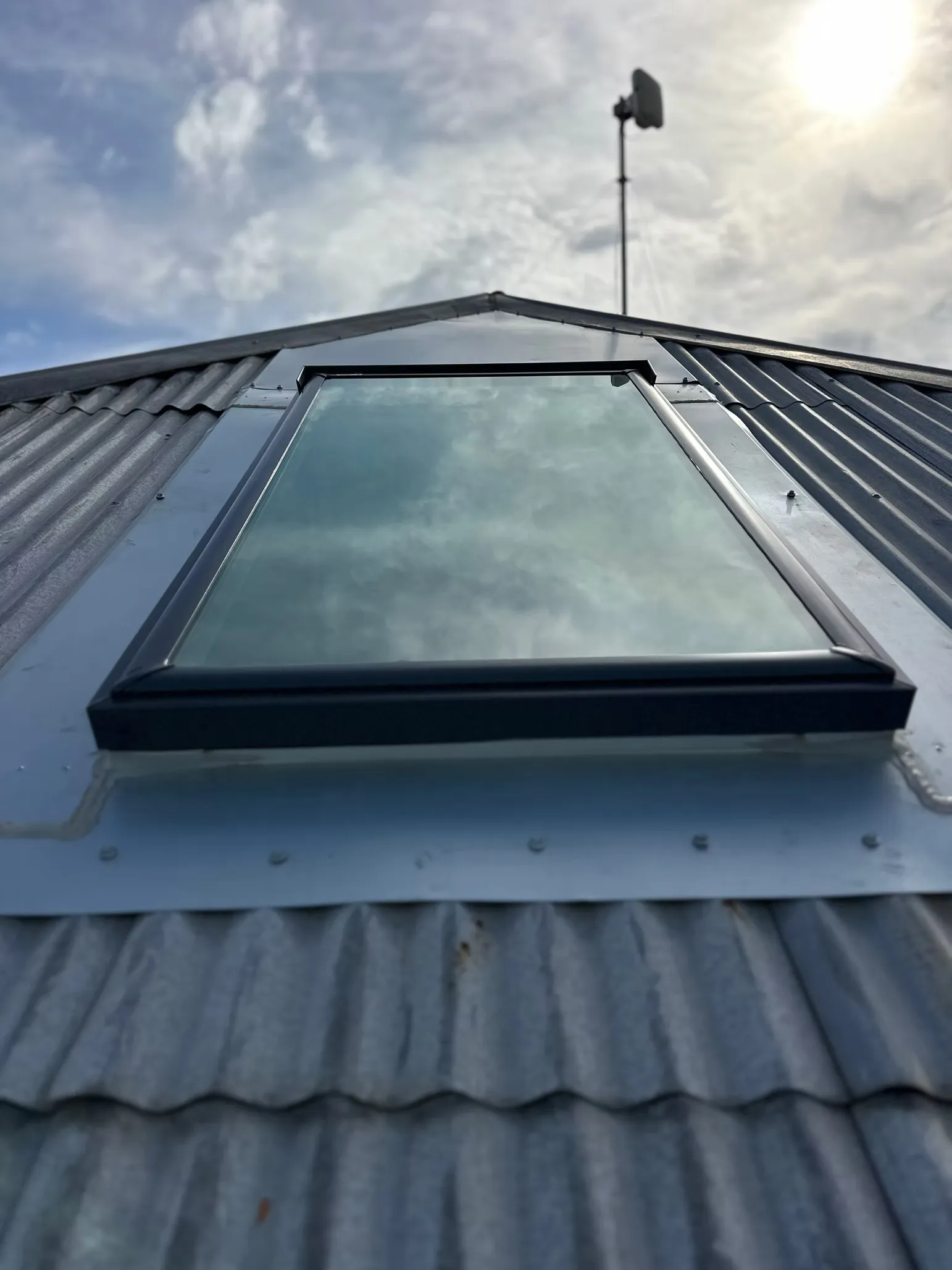
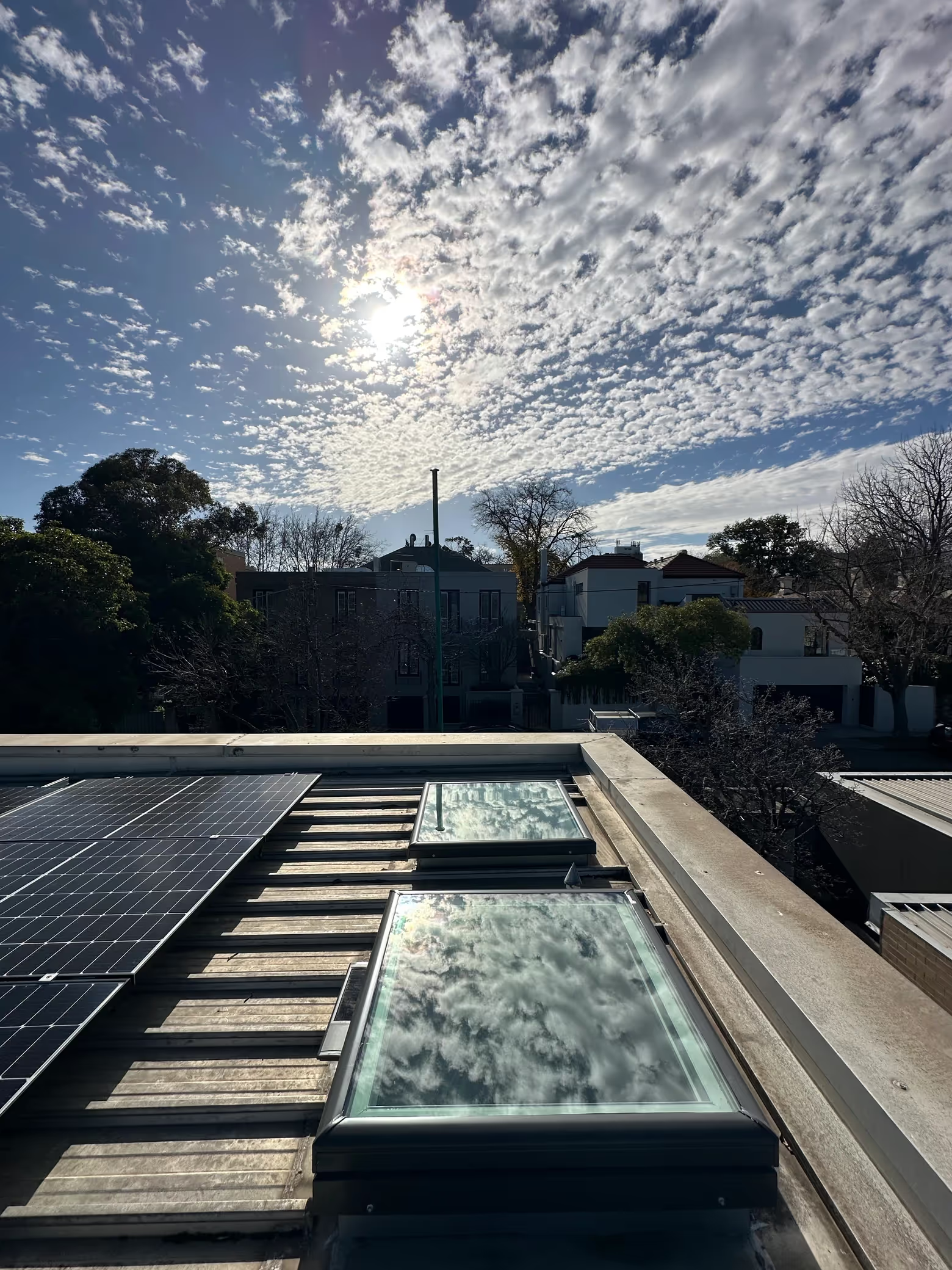
The roof collector, often made from durable acrylic or glass, is installed on the roof to capture sunlight throughout the day. Its dome-shaped design allows it to collect light from multiple angles, helping maximise daylight even during cloudy conditions.
Reflective Tube
The tube is manufactured using highly reflective materials that minimise light loss as sunlight travels from the roof to the ceiling. Depending on the home's roof design, the tube may be straight or include adjustable bends to navigate around structural elements.
Ceiling Diffuser
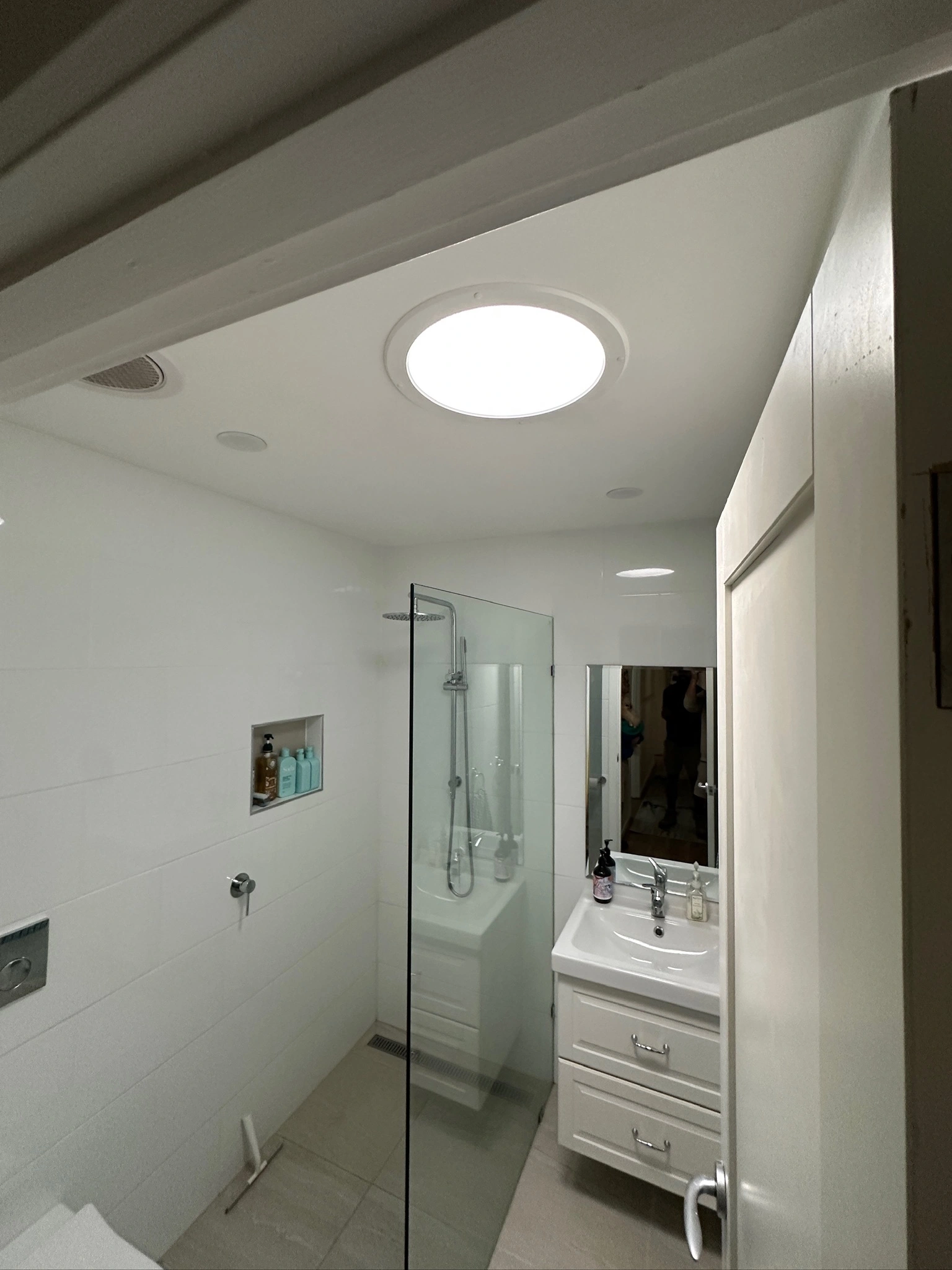
At the end of the tube is a ceiling-mounted diffuser that distributes daylight evenly throughout the room. Modern diffusers are designed to reduce glare while providing soft, consistent illumination that resembles natural daylight.
Unlike conventional skylights, which provide a direct opening between the roof and the interior, tubular skylights transport daylight through enclosed reflective tubing. This makes them suitable for rooms located beneath roof cavities or where ceiling layouts make traditional skylights impractical.
Many homeowners choose sunpipe installation in Melbourne because it provides an effective balance between performance, affordability, and ease of installation. The systems are compatible with a variety of roof materials, including tiled roofs, Colorbond roofing, and metal roofing commonly found throughout Melbourne and Frankston.
How Does a Tubular Skylight Work?
A tubular skylight installation in Melbourne works by capturing available daylight through the roof and directing it into interior spaces using reflective technology.
The process begins when sunlight enters the roof-mounted dome or collector. This collector is specifically designed to gather sunlight from different angles throughout the day rather than only during peak sunlight hours.
Once collected, the daylight travels through the reflective tube. The interior surface of the tube is engineered to reflect a very high percentage of available light, allowing it to travel considerable distances with minimal reduction in brightness. Depending on the home's layout, installers may use straight sections or adjustable elbows to navigate around roof framing, ducts, insulation, or other obstacles.
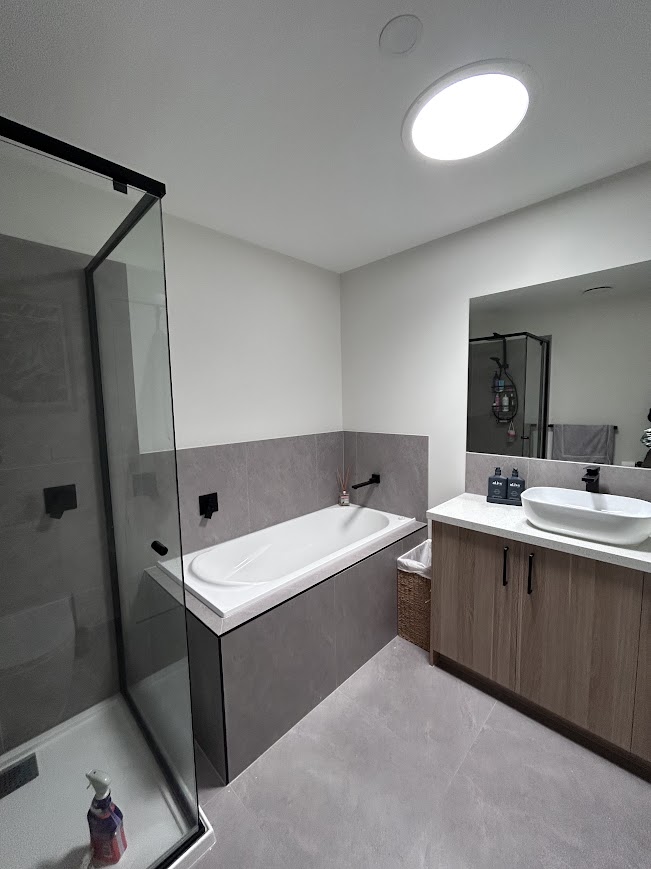
When the light reaches the ceiling diffuser, it is dispersed evenly throughout the room, creating bright, comfortable illumination without harsh glare.
Although the amount of light varies according to weather conditions, roof orientation, tube length, and seasonal sunlight, modern tubular skylights remain effective even during overcast Melbourne days. While they do not produce the same level of illumination as direct sunlight through a large skylight, they provide sufficient daylight for many interior spaces without requiring electrical lighting during daylight hours.
Some systems also offer optional accessories, including integrated LED lighting kits, ventilation attachments, and decorative ceiling diffusers. These additions allow homeowners to use the same ceiling fixture for artificial lighting after sunset or improve ventilation in areas such as bathrooms.
Compared with traditional skylights, sunpipes generally require less structural modification because they need a much smaller roof opening. This often results in shorter installation times and lower installation costs, making them an attractive option for many Melbourne homeowners.
Benefits of Sunpipe Installation
Professional Sunpipe Installation Melbourne Frankston offers numerous benefits beyond simply making a room brighter.
Improved Natural Lighting
The primary advantage is the introduction of natural daylight into rooms that previously depended on artificial lighting. Spaces such as hallways, bathrooms, laundries, and wardrobes become more functional and visually appealing during the day.
Increased Energy Efficiency
Reducing reliance on electric lighting during daylight hours may help lower household electricity consumption. While the savings vary depending on household usage, natural daylight is an energy-efficient alternative to keeping lights switched on throughout the day.
Minimal Structural Changes
Traditional skylights often require larger roof openings and, in some cases, modifications to roof framing. By comparison, tubular skylights require relatively small openings, making installation less invasive and more suitable for many existing homes.
Suitable for Existing Homes
Most sun tunnel installation Melbourne projects are completed as retrofit installations. This means homeowners can improve natural lighting without undertaking major renovations or roof alterations.
Works with Various Roof Types
Professional installers can fit sunpipes to:
- Concrete tiled roofs
- Terracotta tiled roofs
- Colorbond roofing
- Corrugated metal roofing
- Modern steel roofing systems
Appropriate flashing systems are used to maintain weather resistance and minimise the risk of water penetration.
Low Maintenance
Once installed, sunpipes require relatively little maintenance. Occasional cleaning of the roof dome and periodic inspection of roof seals are generally sufficient to keep the system operating efficiently.
Enhances Interior Comfort
Natural daylight can improve the appearance of interior spaces, making rooms feel larger, brighter, and more inviting. For homes with limited window access, this can significantly improve the overall living environment.
Environmentally Friendly
Using daylight instead of artificial lighting contributes to reduced energy use, making tubular skylights an environmentally conscious home improvement option.
Sunpipe vs Traditional Skylights
Although both products are designed to increase natural light, they serve different purposes.
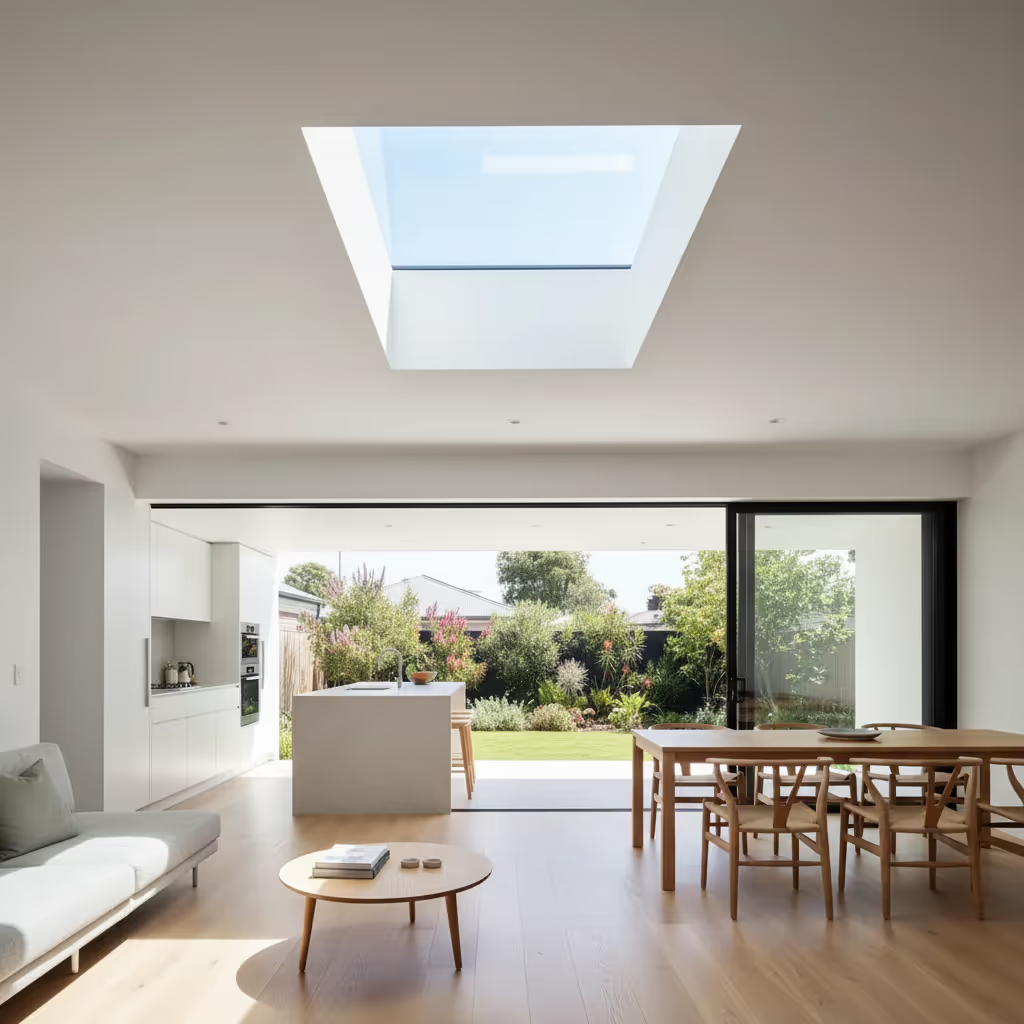
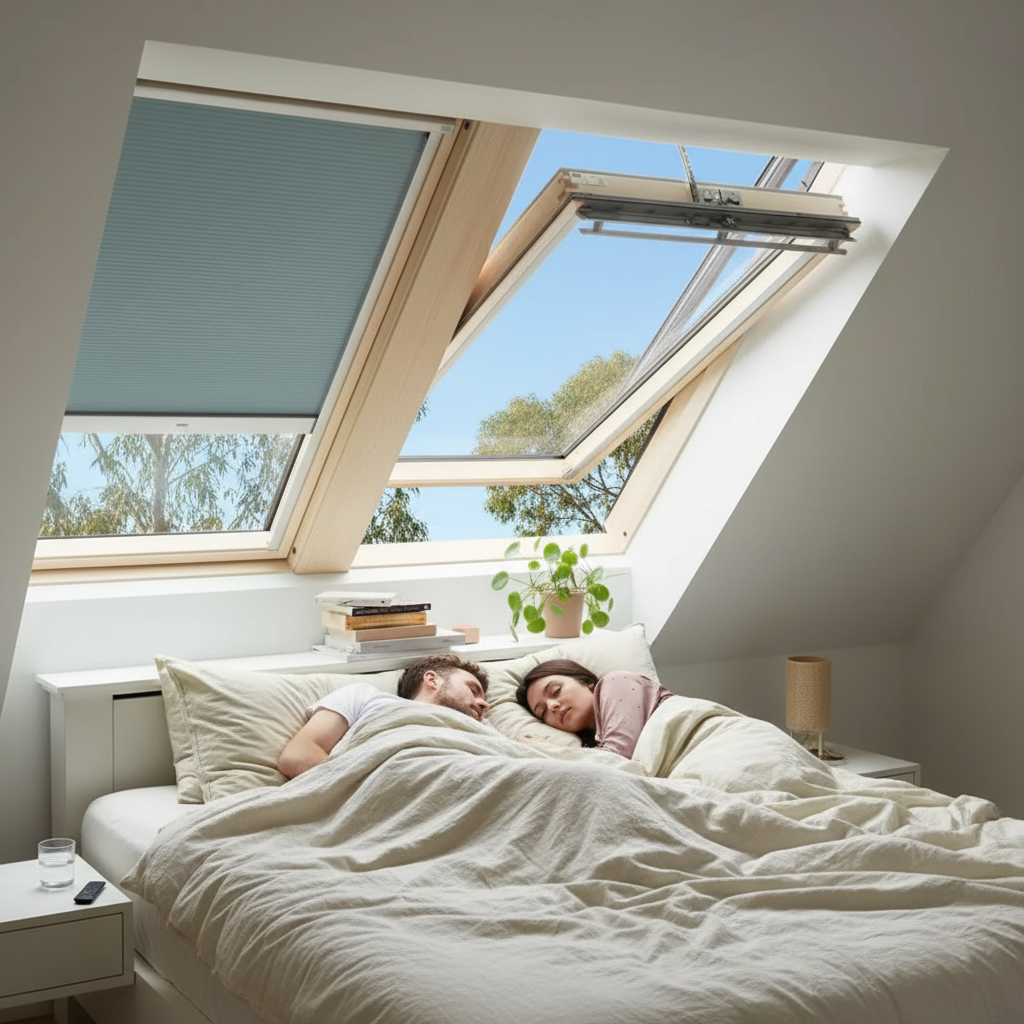
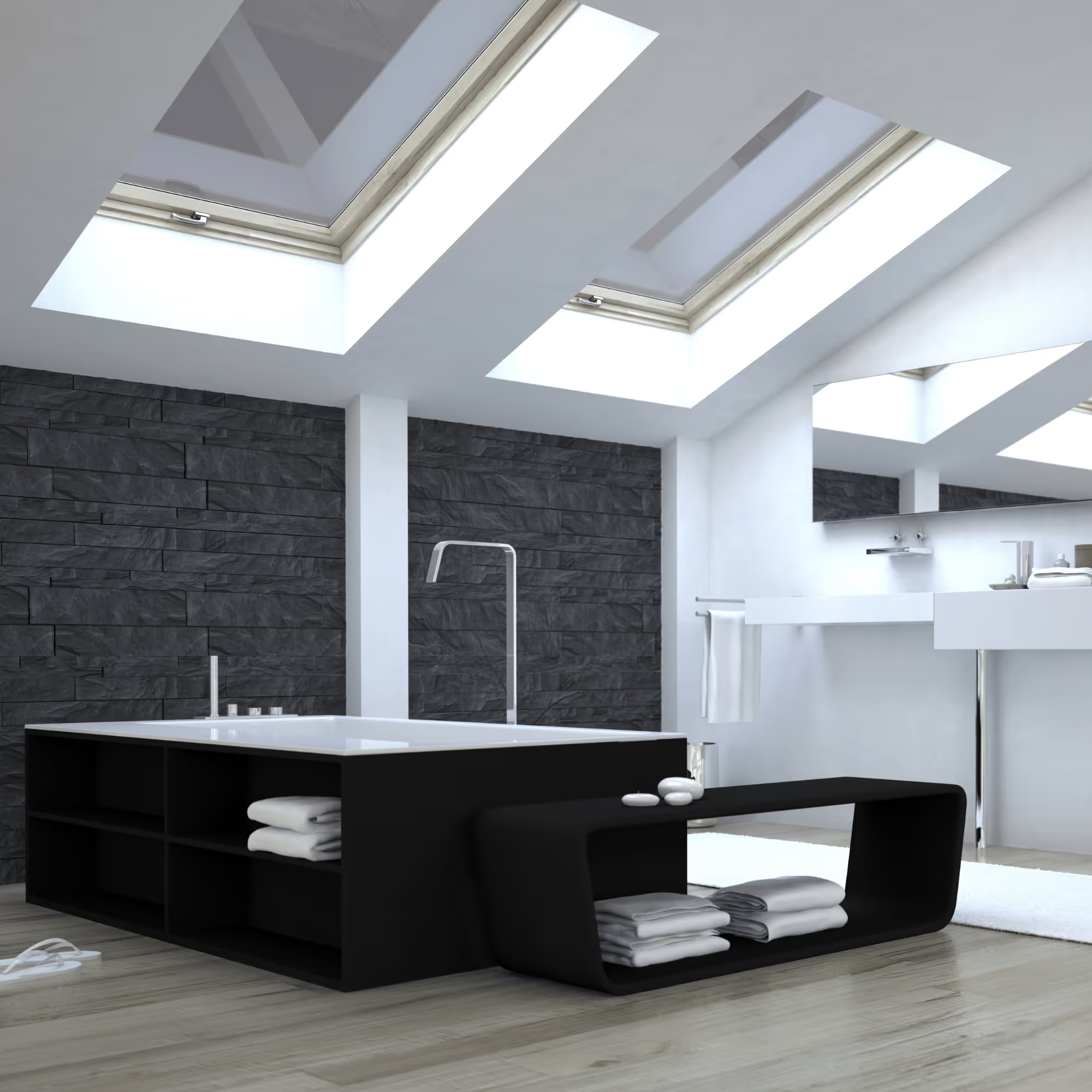
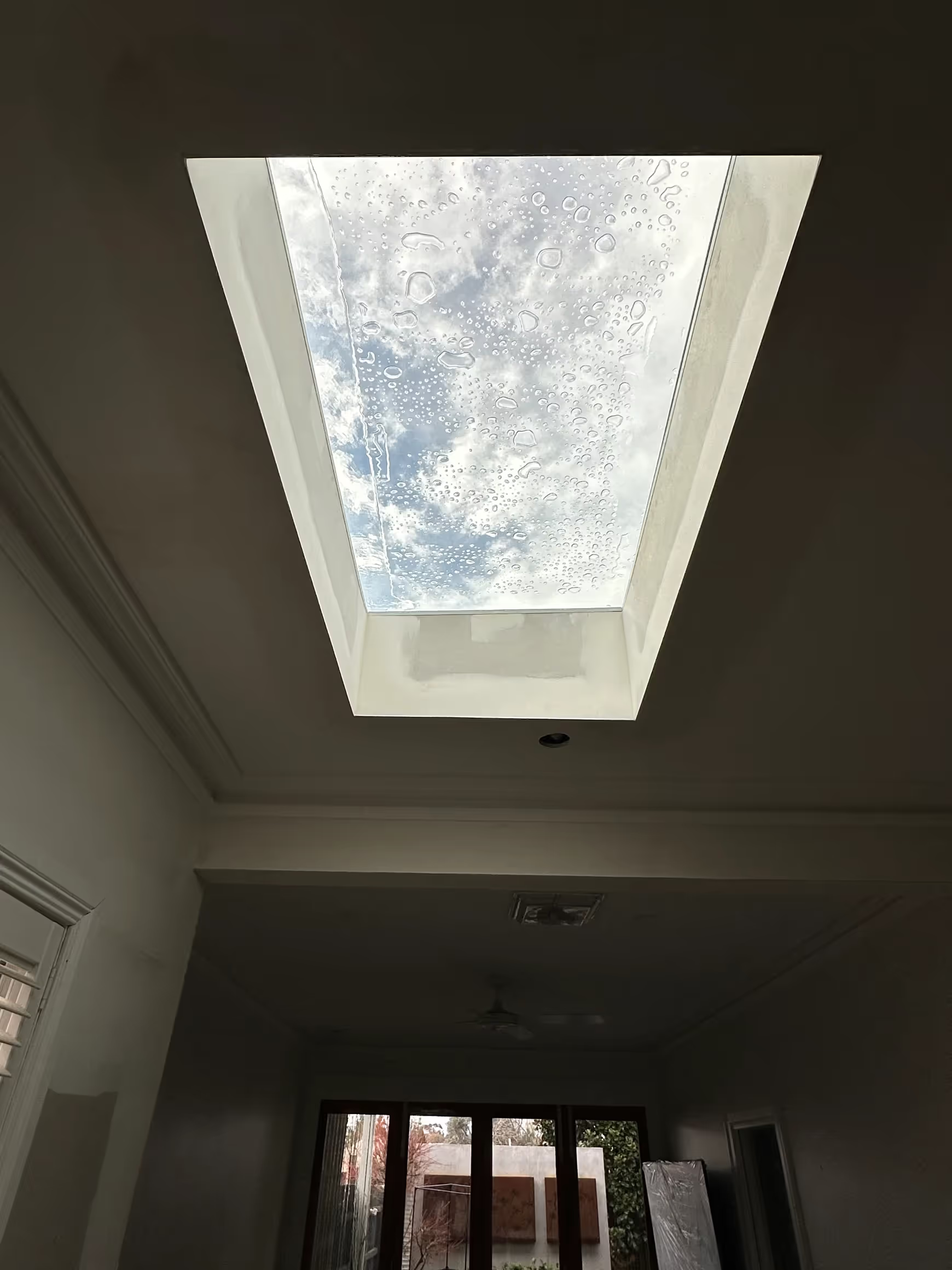
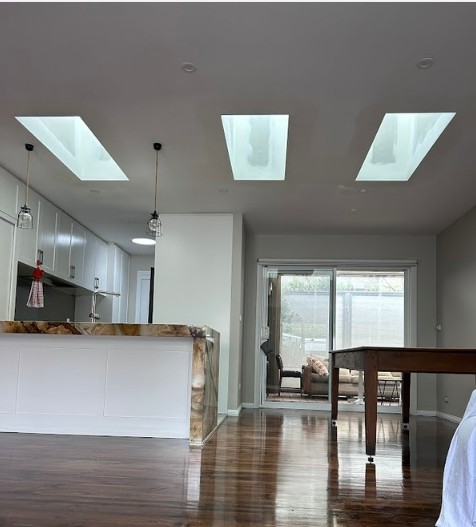
Traditional skylights create a direct glazed opening in the roof. They are commonly installed in large living areas, kitchens, dining rooms, and open-plan spaces where homeowners want expansive daylight and, in some cases, ventilation. Because they involve larger roof openings, installation can be more complex and may require structural framing, plaster work, and additional waterproofing.
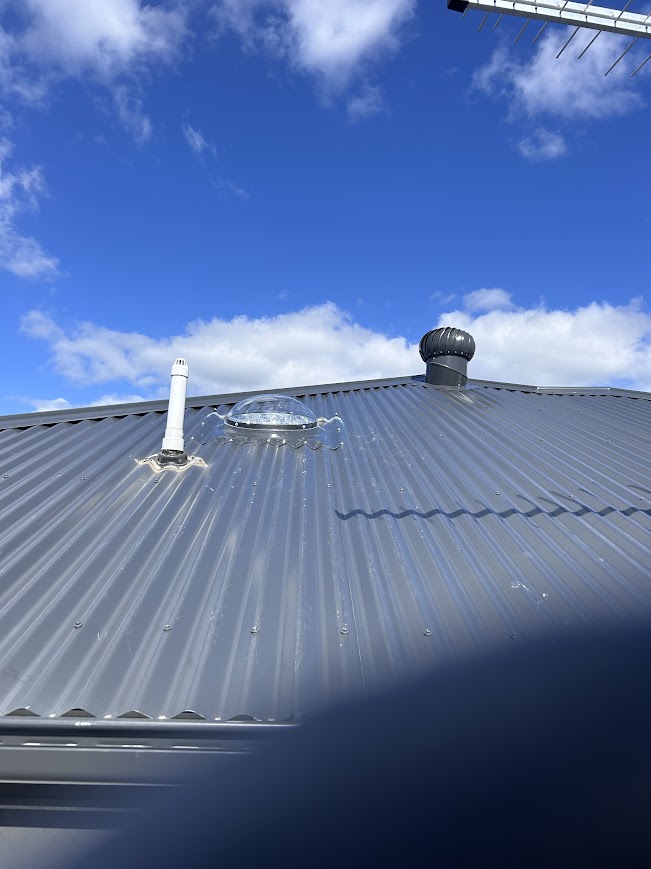
A sunpipe, on the other hand, transports daylight through a reflective tube. It is specifically designed for smaller or enclosed spaces where a conventional skylight cannot easily be installed. Hallways, internal bathrooms, laundries, stairwells, and walk-in wardrobes are common applications.
Another important difference is installation complexity. Since tubular skylights require only a compact roof penetration, installation is often quicker and less disruptive than fitting a full-sized skylight. This also means the overall sunpipe installation cost in Melbourne is generally lower than that of traditional skylight systems, although costs vary depending on roof design, tube length, and product selection.
Both options can effectively improve indoor lighting. The most suitable choice depends on the room size, available roof space, desired light output, and the home's construction.
Where Can Sunpipes Be Installed?
One of the main advantages of sunpipe installation in Melbourne and Frankston is its versatility. Because tubular skylights use a compact reflective tube, they can be installed in areas where traditional skylights may not be practical.
Common locations include:
- Hallways: Internal hallways often have no external windows and can feel dark during the day.
- Bathrooms and ensuites: Natural light can make these spaces feel brighter and more spacious.
- Laundries: A sunpipe can improve visibility for everyday household tasks.
- Walk-in wardrobes: Clothing and storage areas become easier to use without relying on artificial lighting.
- Pantries: Small enclosed spaces benefit from improved illumination.
- Stairwells: Additional daylight can improve safety and visibility.
- Home offices: Natural light can create a more comfortable working environment.
- Internal kitchens and living areas: Where roof access allows, sunpipes can supplement existing daylight.
Because the tube can often be routed through roof cavities, sunpipes are suitable for many existing homes throughout Melbourne, including older properties, modern townhouses, and new residential builds.
Sun Tunnel Installation Process
A professional sun tunnel installation in Melbourne typically follows a straightforward process, although the exact method depends on the roof structure and ceiling layout.
1. Site Assessment
The installer first inspects the roof, ceiling space, and room location. This helps determine the best position for the roof collector and the most efficient path for the reflective tube.
2. Product Selection
The appropriate tube diameter, diffuser style, and flashing kit are selected based on the room size, roof type, and desired light output.
3. Roof Installation
A small opening is created in the roof, and the roof collector or dome is securely installed. Weatherproof flashing is fitted to protect against water penetration.
4. Tube Installation
The reflective tube is connected between the roof collector and the ceiling opening. Straight sections or adjustable bends may be used to navigate around structural elements.
5. Ceiling Diffuser Installation
A diffuser is mounted in the ceiling to distribute daylight evenly throughout the room.
6. Final Inspection
The installer checks that all components are secure, properly sealed, and functioning correctly.
Most standard installations can be completed within a single day, although more complex roof configurations may require additional time.
How Much Does Sunpipe Installation Cost in Melbourne?
One of the most common questions homeowners ask is: How much does it cost to install a skylight in Melbourne?
The answer varies depending on the type of skylight, the product selected, and the complexity of the installation.
For many Melbourne homes:
- Basic tubular skylight installations are generally more affordable than traditional skylights.
- Premium sunpipe systems with larger diameters, longer tube runs, or additional accessories may cost more.
- Traditional skylights usually involve higher installation costs because they require larger roof openings and, in some cases, structural modifications.
Homeowners searching for Sunpipe installation cost Melbourne should request a site-specific quotation rather than relying on a single advertised price. Every home has different roof access, ceiling height, and installation requirements.
How Much Should It Cost to Install a Skylight?
There is no universal price for skylight installation because costs depend on both the product and the labour involved. Tubular skylights are often considered a cost-effective option for smaller rooms because they require less structural work than conventional skylights.
How Much Does Bunnings Charge to Install Skylights?
Bunnings sells a range of skylight products, but installation pricing may vary depending on the installer, location, and service arrangement. Homeowners should confirm current installation options directly with the retailer or the nominated installer.
How Much Does It Cost for a Skylight to Be Fitted?
The fitting cost includes labour, materials, flashing, sealing, and any additional work required to complete the installation safely and correctly.
Factors That Affect Installation Costs
Several factors can influence the final cost of sunpipe installation in Melbourne and Frankston.
Roof Material
Tiled roofs, Colorbond roofs, and metal roofs may require different flashing systems and installation techniques.
Roof Pitch
Steeper roofs can increase labour requirements and installation complexity.
Tube Length
Longer tube runs may require additional sections and can reduce light output slightly.
Number of Bends
If the tube must navigate around roof framing, ducts, or other obstacles, adjustable bends may be needed.
Ceiling Height
Higher ceilings can require additional installation time and materials.
Roof Accessibility
Homes with difficult roof access may involve additional labour or safety equipment.
Product Quality
Premium systems from established manufacturers, such as VELUX, may have a higher purchase price but can offer improved performance and warranty coverage.
Additional Accessories
Optional features such as integrated LED lighting, ventilation kits, or decorative diffusers can increase the overall cost.
Because of these variables, obtaining an on-site assessment is the most accurate way to receive a detailed quotation.
Servicing Melbourne, Frankston & 36 Suburbs
Professional Sunpipe Installation Melbourne Frankston services are available across 36 suburbs throughout Greater Melbourne, providing homeowners with access to expert tubular skylight and sun tunnel installation.
Bayside and Mornington Peninsula
Brighton, Sandringham, Beaumaris, Black Rock, Hampton, Mentone, Mornington, Mount Eliza, Mount Martha, Frankston, Rosebud, Hastings, Seaford, Chelsea, Carrum Downs, Edithvale, Aspendale, and Bonbeach.
Inner Melbourne
Elwood, St Kilda, Richmond, Hawthorn, Kew, Camberwell, Fitzroy, and Northcote.
Eastern Melbourne
Glen Waverley, Oakleigh, Box Hill, Doncaster, and Balwyn.
Western Melbourne
Footscray, Yarraville, Altona, Werribee, and Point Cook.
Homes across these suburbs feature a wide variety of architectural styles, including heritage homes, family residences, townhouses, and modern new builds. Professional installers are experienced in working with tiled roofs, Colorbond roofing, and metal roofing systems commonly found throughout Greater Melbourne.
Whether you require sunpipe installation Frankston, tubular skylight installation Melbourne, or sun tunnel installation Melbourne, local service coverage ensures homeowners can access professional advice and installation tailored to their property's needs.
Choosing the Right Installer
Selecting a qualified installer is important for ensuring the skylight is properly fitted, weatherproof, and compliant with relevant building requirements.
When comparing installers, consider the following:
- Experience with sunpipes and tubular skylights
- Knowledge of Melbourne roof types
- Appropriate licences and insurance
- Manufacturer warranties
- Workmanship guarantees
- Recent customer feedback and reviews
- Transparent written quotations
Homeowners researching Sunpipe installation Melbourne reviews should look for consistent feedback regarding installation quality, punctuality, communication, and long-term performance.
Established suppliers such as Skylight Warehouse Melbourne and brands such as VELUX are commonly considered when comparing skylight products and installation options.
Frequently Asked Questions
Are sunpipes worth installing?
Yes. Sunpipes are often worth installing because they provide natural daylight to rooms that would otherwise rely on artificial lighting during the day. They are particularly effective in hallways, bathrooms, laundries, and walk-in wardrobes.
How long does installation take?
Most standard installations can be completed within one working day. More complex roof layouts or longer tube runs may require additional time.
Can sunpipes be installed on tiled roofs?
Yes. Professional installers can fit sunpipes to tiled roofs, Colorbond roofs, and metal roofs using the correct flashing systems.
Do sunpipes leak?
When installed correctly with appropriate flashing and sealing, sunpipes are designed to remain weatherproof and leak-resistant.
Do sunpipes work on cloudy days?
Yes. Although the light output is reduced compared to bright sunny conditions, quality tubular skylights still provide useful natural daylight during overcast weather.
Can a sunpipe be installed in an existing home?
Yes. Most sunpipes are suitable for retrofit installation, making them a practical option for existing homes as well as new builds.
Do sunpipes require much maintenance?
Maintenance is generally minimal. Occasional cleaning of the roof dome and periodic inspection of seals are usually sufficient.
Can sunpipes include artificial lighting?
Yes. Some systems offer optional integrated LED lighting kits, allowing the ceiling fixture to function as both a daylight source and an electric light after dark.
Are tubular skylights cheaper than traditional skylights?
In many cases, yes. Tubular skylights are generally less expensive to install because they require a smaller roof opening and less structural modification than traditional skylights.
What is the best sunpipe for Melbourne homes?
The best system depends on the roof type, room size, tube length, and desired light output. Products from established manufacturers, including VELUX, are commonly considered by homeowners and installers.
Conclusion
Sunpipe Installation Melbourne Frankston offers a practical and energy-efficient way to introduce natural daylight into darker areas of the home. Tubular skylights are suitable for hallways, bathrooms, laundries, walk-in wardrobes, stairwells, and other internal spaces where conventional skylights may not be practical.
Because they require minimal structural changes and can be installed on a variety of roof types, sunpipes are an effective option for many existing homes throughout Melbourne and Frankston. Installation costs vary depending on roof access, tube length, product selection, and installation complexity, so a professional site assessment is recommended for an accurate quotation.
With service coverage across 36 Greater Melbourne suburbs, homeowners can access expert advice, quality products, and professional installation tailored to their specific property. Whether you are considering a simple hallway installation or a broader daylighting upgrade, a professionally installed sunpipe can improve the comfort, appearance, and functionality of your home by bringing natural light into previously dark spaces.
Read next
More from our guides
.png)
.png)