Skylights vs Sun Tunnels: What Australian Homeowners Need to Know Before Installing

There's no single right answer. It depends on your roof, your rooms, and what you're trying to achieve. But once you understand how skylights and sun tunnels actually work, the decision becomes much easier.
Does Bunnings Do Skylight Installation?
Bunnings sells a wide range of skylights, from budget tubular units to well-known brands like VELUX, and it does offer a paid installation service, but only for specific products purchased through the store, such as flexishaft and solar hybrid skylights, with the service arranged in-store at the Special Orders desk after purchase. It's worth checking current pricing and availability with your local store, as installation offers and inclusions can change.
It's important to understand that buying a skylight and getting it properly installed are two separate things. A retail installation service is generally suited to straightforward, off-the-shelf products. It's a different proposition to a full custom installation involving structural changes, complex flashing, or a difficult roof.
Whoever installs your skylight, the fundamentals matter enormously:
- Roof penetration: cutting cleanly through the roofing material without compromising structural integrity
- Flashing: the metal or rubber detailing that stops water tracking in around the opening
- Waterproofing: sealing every join so the roof stays watertight in heavy Australian storms
- Roof pitch: steep tiled roofs are handled very differently to low-pitch metal roofs
- Roofing material: tile, colorbond, corrugated iron and concrete all need different techniques
- Ceiling configuration and positioning: especially where a light shaft has to travel through a roof cavity to reach the room below
For a simple DIY-friendly tubular unit, a retail installation service may be perfectly adequate. For a larger, more complex opening, most homeowners are better served by a licensed roofer or dedicated skylight installer who can assess the roof in person.
What Is the Average Cost to Install a Skylight?
There's no fixed national price for skylight installation in Australia; costs vary widely depending on the job. As a general guide, indicative fully installed prices tend to fall somewhere between roughly AUD $900 and AUD $5,000+, with many straightforward residential jobs landing in the AUD $1,500 to AUD $3,000 range. Tubular skylights and sun tunnels are typically the most affordable option, often installed for somewhere in the vicinity of AUD $250 to AUD $1,500, while larger fixed or opening skylights sit at the higher end.
These are broad, indicative ranges only. Never treat any figure you read online as a guaranteed quote. Always get an itemised quote from a licensed installer who has actually inspected your roof.
The total project cost usually breaks down like this:
Product price + installation labour + additional work (flashing, framing, waterproofing, shaft construction) = total project cost
Factors that push the price up or down include:
- Skylight size and type (tubular, fixed, or opening/ventilating)
- Brand and glazing quality
- Roof material and pitch
- Roof accessibility (a steep two-storey roof costs more to work on than a single-storey home)
- Ceiling height and the length of shaft or light well required
- Whether structural framing needs to be added or modified
- Whether it's a brand-new installation or a replacement of an existing unit
A small tubular skylight generally costs less to install than a large traditional skylight, largely because it requires a smaller roof opening and less structural work.
Do Skylights Add Value to a Home in Australia?
This is a genuinely nuanced question, and it's worth being realistic about it. A well-designed, professionally installed skylight can meaningfully improve a home's natural light, liveability, and overall appeal: dark, closed-in rooms often feel more open, more comfortable, and more attractive to potential buyers once daylight is introduced.
That said, no skylight automatically guarantees an increase in resale value, and it's unrealistic to assume you'll fully recover the installation cost when you sell. The actual impact on value depends on things like:
- The location and design quality of the installation
- How well it was installed and finished
- Which room it's in (kitchens, bathrooms and living areas tend to benefit more visibly than storage spaces)
- The property type and existing natural light levels
- The overall condition and presentation of the home
Think of a skylight primarily as an investment in how enjoyable your home is to live in, with any value uplift as a welcome bonus rather than a guaranteed return.
Is Installing a Skylight Worth It?
For the right room, yes: skylights can genuinely transform a space. They tend to be particularly worthwhile in:
- Dark kitchens and living areas
- Bathrooms and ensuites with no external window
- Hallways and stairwells
- Laundries and internal rooms where a conventional window simply isn't possible
In these situations, a skylight can reduce reliance on artificial lighting during the day and make a previously flat, gloomy space feel genuinely different.
On the other hand, a skylight may not be the best solution if your budget is tight, your roof is in poor condition, the room faces a difficult orientation for sunlight, or you're concerned about heat gain and glare in summer. Installation complexity, ongoing maintenance, and whether the room already has adequate windows are all worth weighing up before committing.
Are Sun Tunnels a Good Idea?
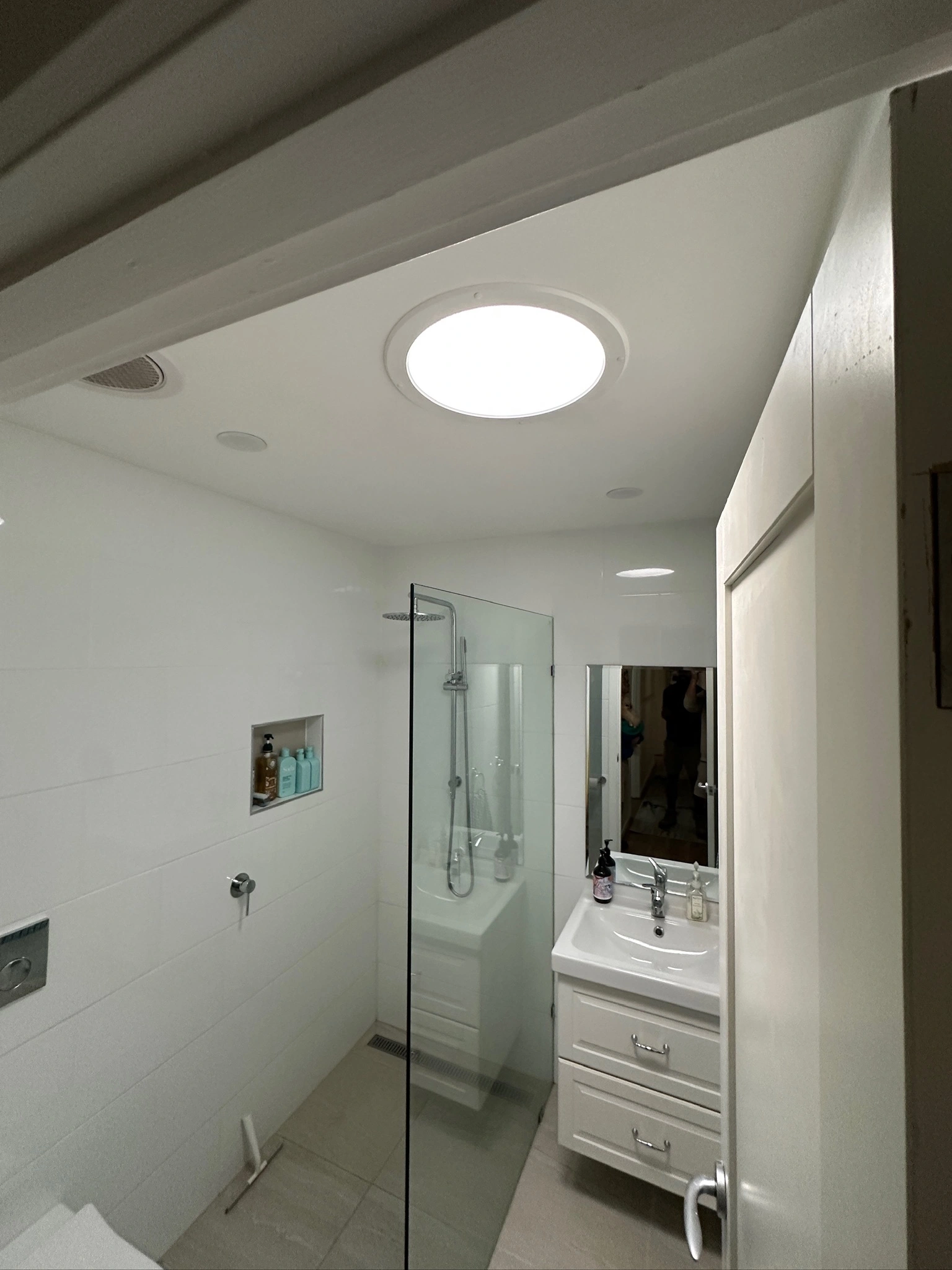
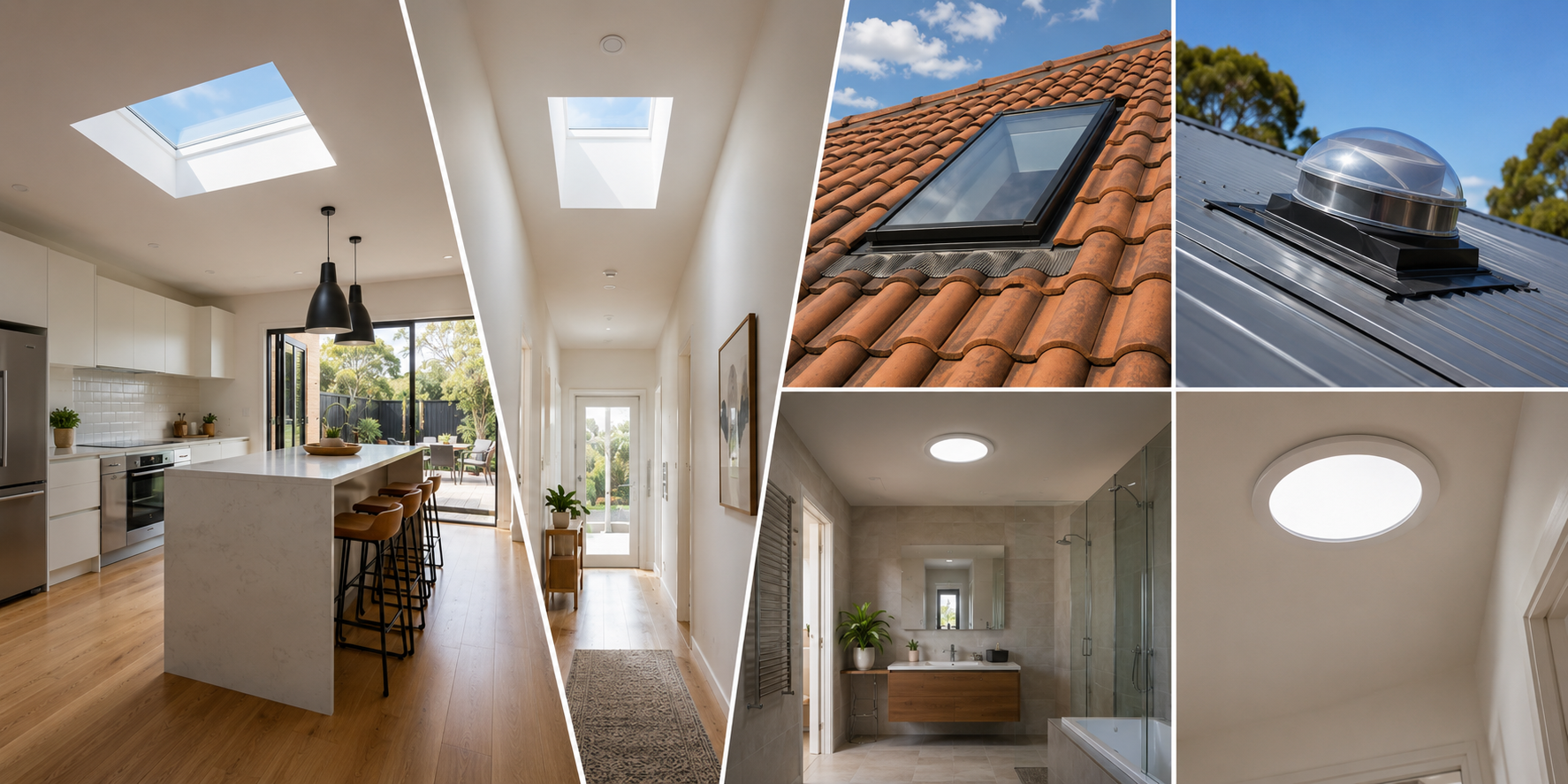
Sun tunnels, also known as tubular skylights or sunpipes, can be an excellent daylighting solution for homes where a full-size skylight isn't practical or necessary. They work by capturing daylight through a small roof-mounted dome, channelling it down through a narrow, highly reflective tube, and releasing it into the room through a ceiling diffuser.
Because the tube is flexible, sun tunnels can often be positioned in rooms that don't sit directly under an obvious roof opening, and they generally require far less ceiling and roof space than a traditional skylight. Common applications include:
- Dark hallways and internal corridors
- Bathrooms, ensuites and laundries
- Walk-in wardrobes
- Small kitchens or pantries
- Central rooms with no access to an external wall
They're not automatically the right choice for every property, though. A sun tunnel delivers diffused daylight rather than a direct view of the sky, and its effectiveness depends on roof orientation, tube length, and how much natural sunlight the roof collector actually receives.
What Is a Sun Tunnel vs Skylight?
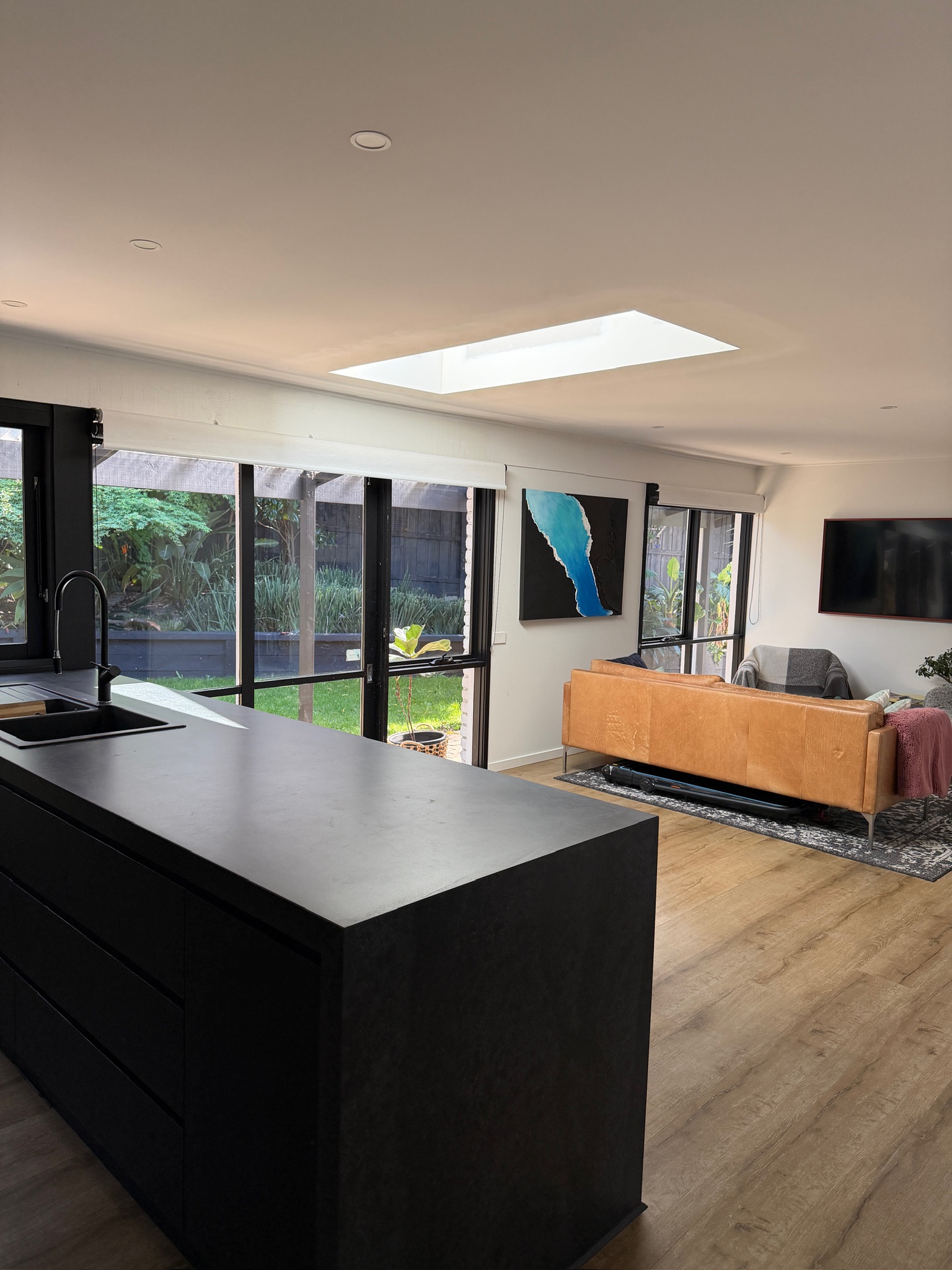
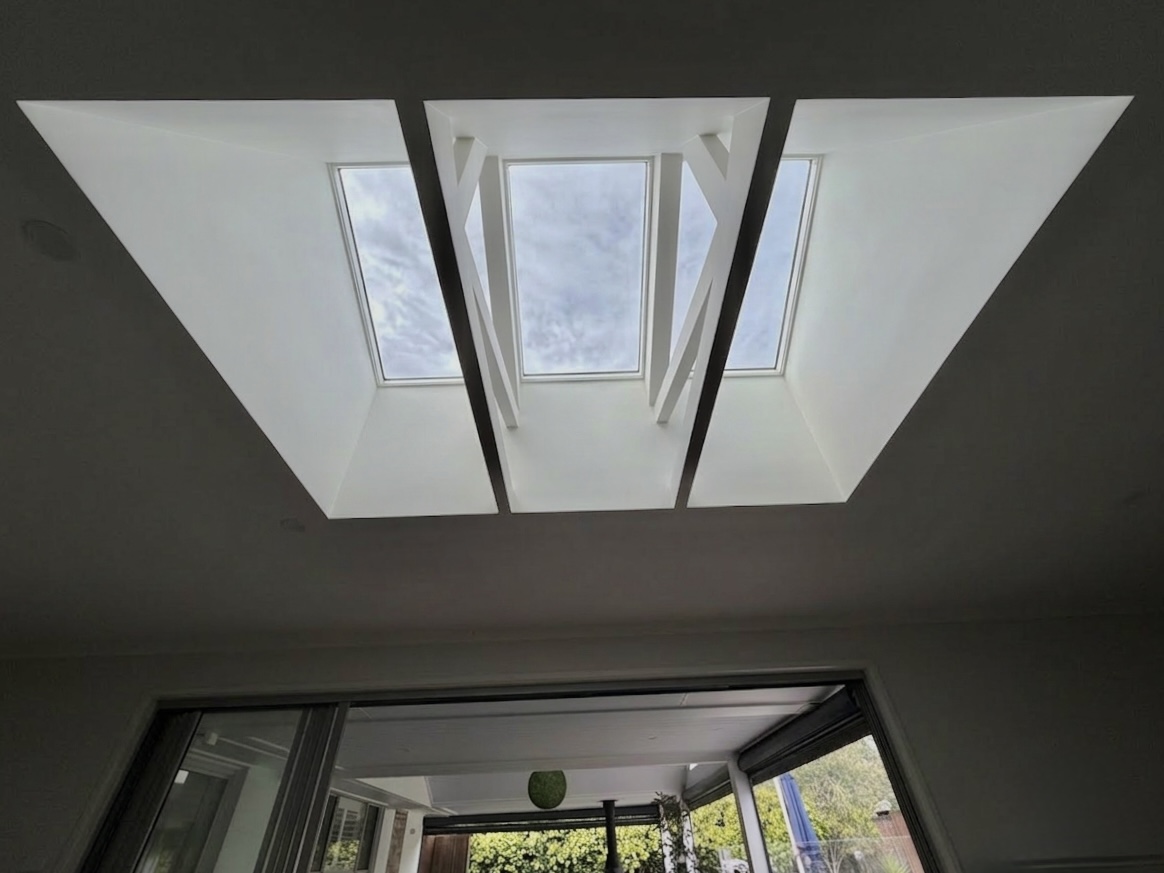
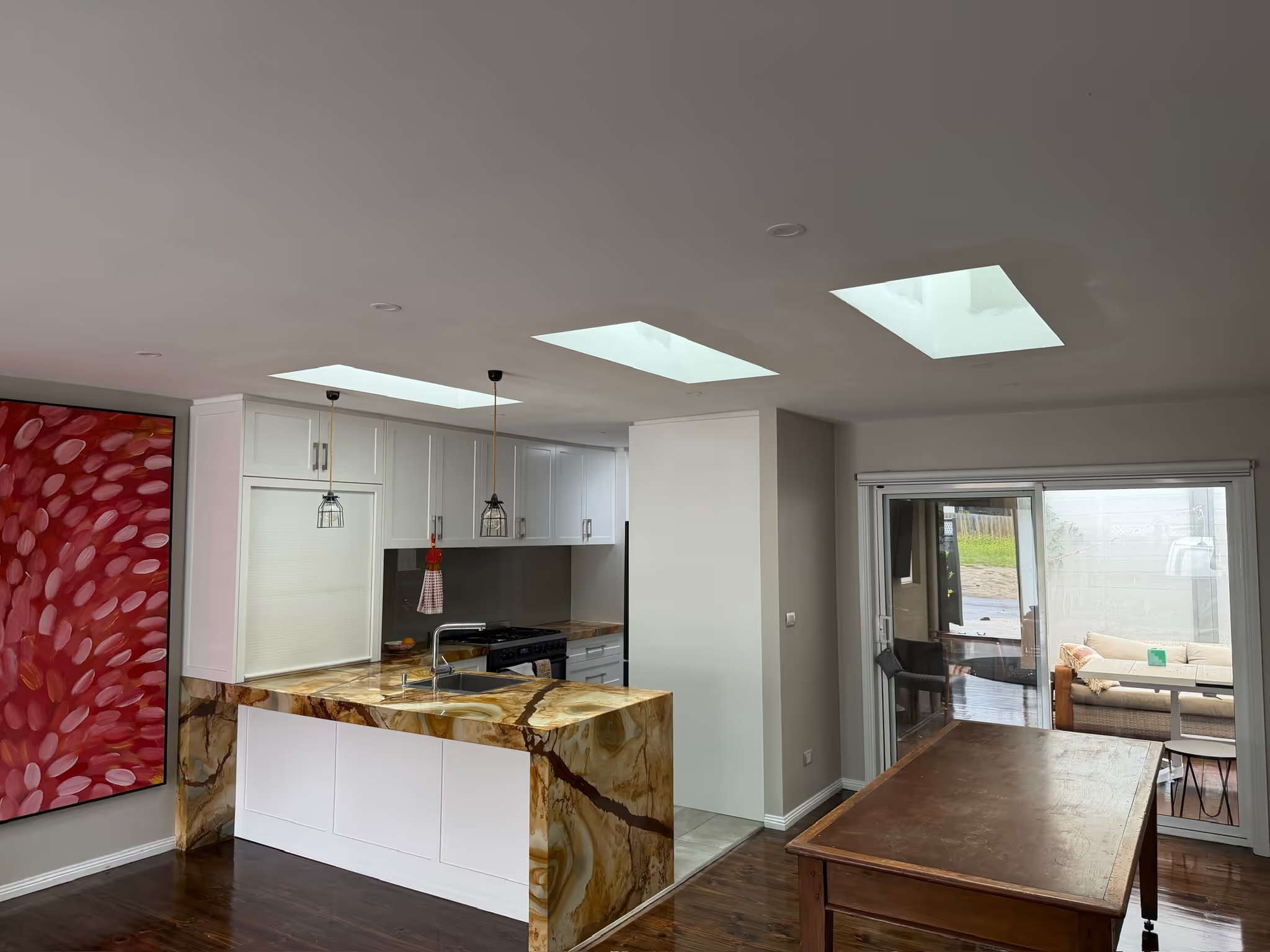
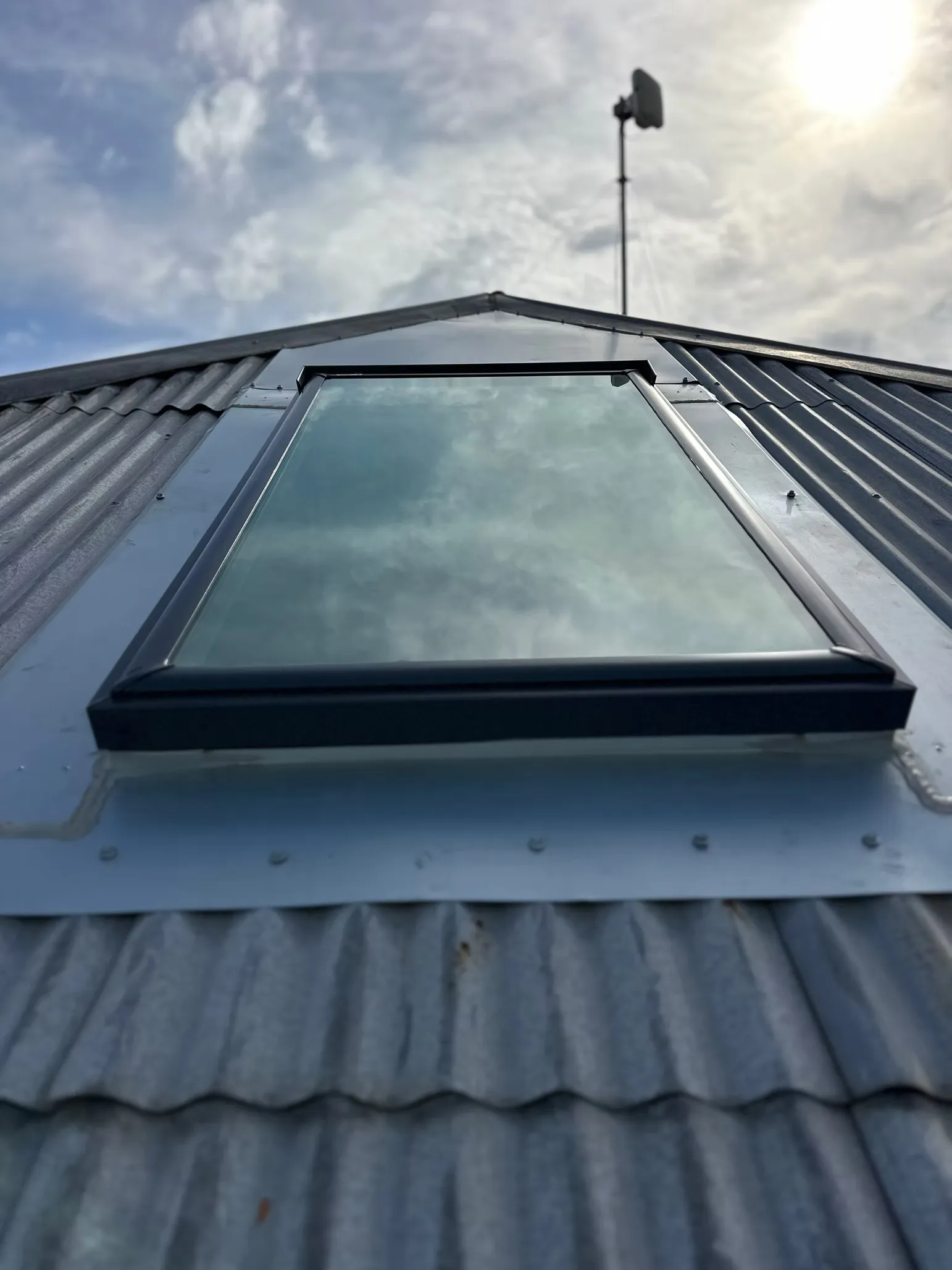
The easiest way to understand the difference is this: a traditional skylight is a direct glazed opening straight through the roof and ceiling, while a sun tunnel uses a reflective tube to carry daylight from a small roof-mounted collector down to a ceiling diffuser, often at a distance from the actual roof opening.
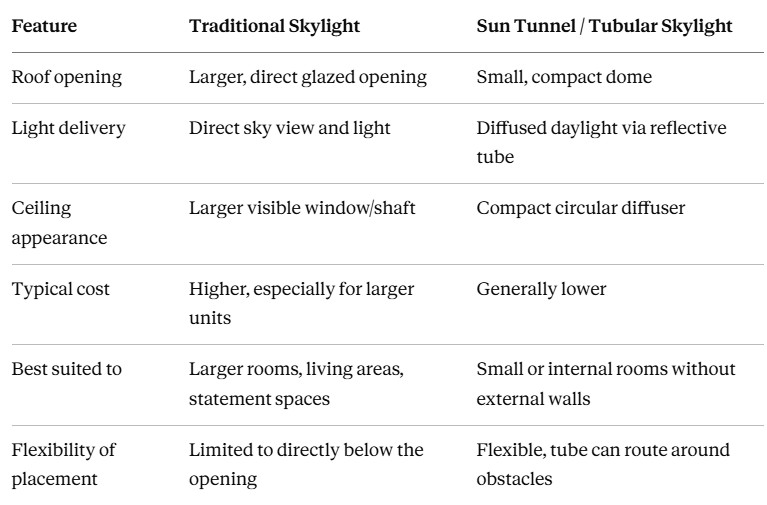
Neither option is inherently "better." A skylight suits rooms where you want a strong visual feature and a real connection to the sky, while a sun tunnel suits practical daylighting in smaller or awkwardly positioned spaces.
What Is the Purpose of a Sun Tunnel Skylight?
The core purpose of a sun tunnel is to bring usable daylight into areas that have limited or no access to windows. A hallway with no external wall, for example, has no obvious way to fit a window, but a sun tunnel can introduce daylight from above via the roof. Similarly, a windowless bathroom can gain genuine daylight through a compact tubular skylight without the cost and complexity of a full roof opening.
In practical terms, a sun tunnel:
- Brightens spaces that would otherwise rely entirely on artificial lighting during the day
- Improves the visual atmosphere of enclosed rooms
- Offers a lower-impact alternative to a full skylight where roof space or budget is limited
Can a Sun Tunnel Be Installed on Any Roof?
Not automatically, and it's important not to assume every roof can accommodate one. Suitability depends on a range of technical factors, including:
- Roof type and pitch
- Roofing material (tile, metal, or concrete all require different flashing approaches)
- Roof framing and available cavity space
- The distance between the roof and ceiling that the tube needs to travel
- Obstructions in the roof cavity, such as ducting or wiring
- Roof orientation and how much direct sunlight the roof collector will receive
Different roofing materials generally need different flashing systems, and a longer or more angled tube run can affect how much light ultimately reaches the room. A qualified installer should always inspect your specific roof and ceiling configuration before confirming that a sun tunnel is suitable, and before providing a firm quote.

Choosing Between a Skylight and Sun Tunnel
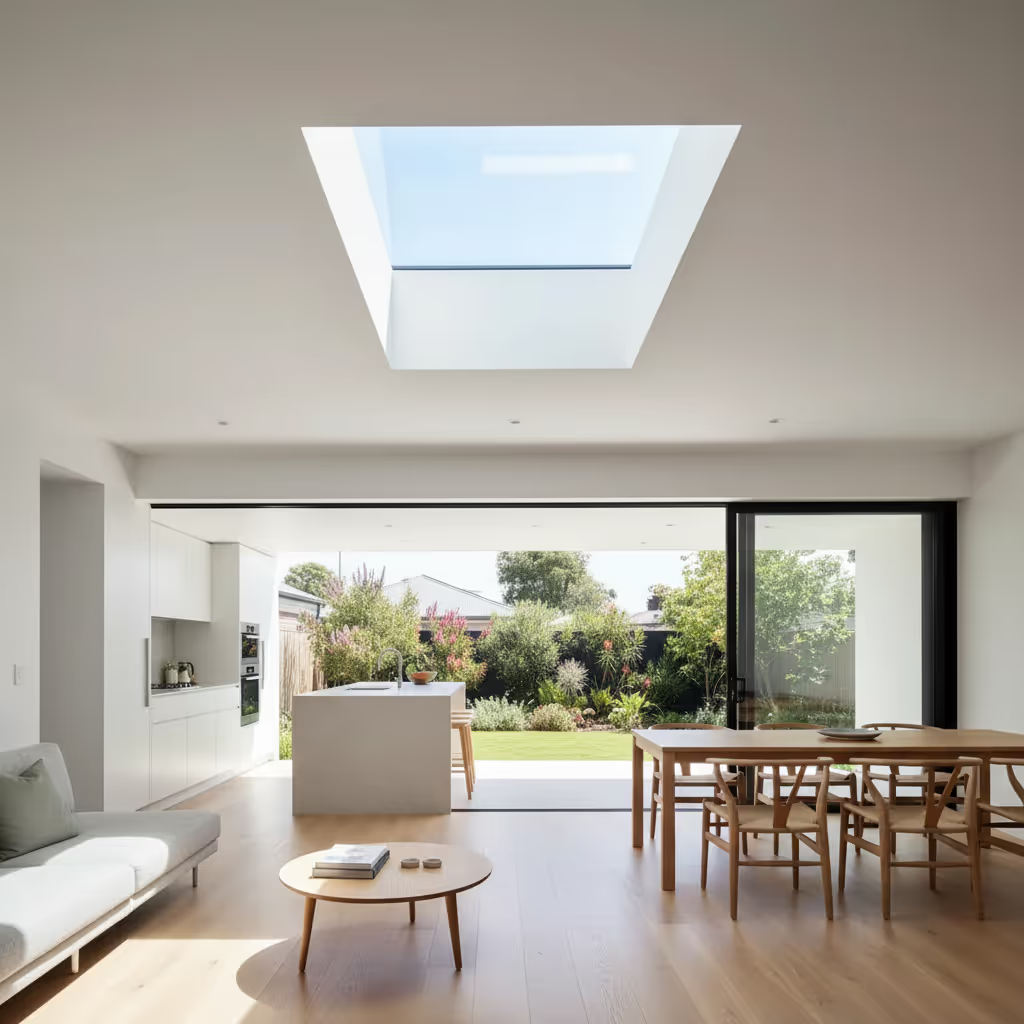
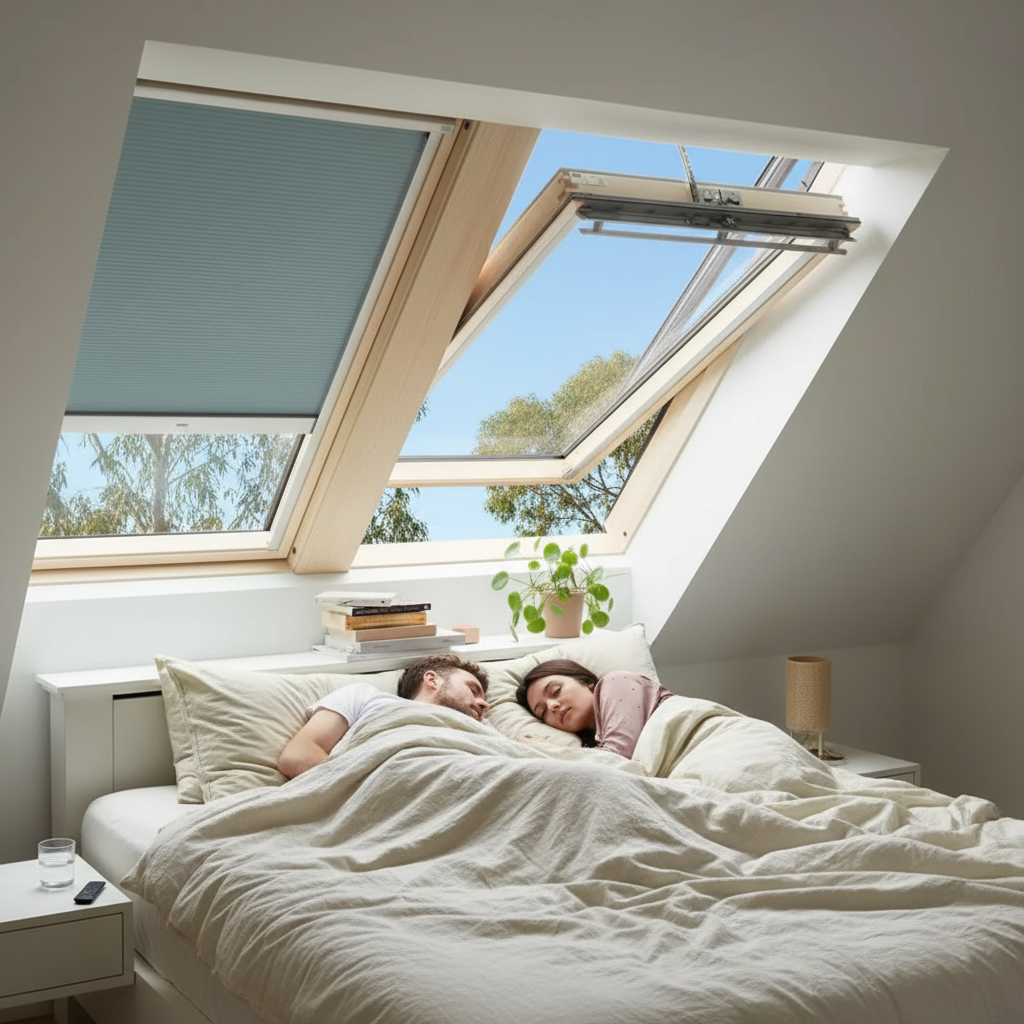
If you're after a bold architectural feature, a direct view of the sky, or serious light and ventilation in a larger room, a traditional skylight is usually the stronger choice. If you need practical daylight in a smaller, internal, or awkwardly positioned room, and want to avoid a large roof opening, a sun tunnel is often the more sensible and cost-effective solution.
There's no universally "better" option. The right call depends on the room itself, your roof structure, your budget, and how much daylight you actually need.
Frequently Asked Questions
1. Are sun tunnels cheaper than skylights? Generally, yes. Because they require a smaller roof opening and less structural work, sun tunnels are typically less expensive to install than a traditional fixed or opening skylight.
2. Are tubular skylights effective? Yes, for the right application. They won't replicate the light output of a large traditional skylight, but they're highly effective at brightening smaller or internal rooms that would otherwise have no natural light at all.
3. How long does a sun tunnel last? This varies by product and brand, so it's best to check the specific manufacturer's warranty and expected lifespan rather than relying on a general figure.
4. Can a sun tunnel be installed in a bathroom? In many cases, yes: bathrooms are one of the most common and effective applications for sun tunnels, particularly where there's no external wall for a window.
5. Can sun tunnels be installed on tiled roofs? Often, yes, though the flashing method differs from a metal roof. A professional installer needs to assess your specific tile profile and roof structure to confirm suitability.
6. Do sun tunnels work at night? No. Sun tunnels rely on natural daylight, so they don't provide any light after dark unless paired with a separate electric light fitting, which some models offer as an add-on.
How long does skylight installation take? This depends heavily on the complexity of the job, the roof type, and whether structural changes are needed, so timeframes should be confirmed directly with your installer.
Final Thoughts
Whether a skylight or a sun tunnel is the right fit for your home really comes down to the room you're trying to improve, the structure of your roof, how much natural daylight is realistically available, and your budget. Both options can genuinely transform how a space feels, but getting the result right depends heavily on correct positioning, quality flashing, and proper weatherproofing.
If you're weighing up your options, it's worth having a qualified skylight or sun tunnel installer assess your roof in person. A quick on-site inspection can tell you far more about what's achievable, and what it will actually cost, than any general guide ever could.
Read next
More from our guides

.png)
.png)